
KENNEDY SPACE CENTER — In their anxious quest to win a NASA competition to build the biggest mound of dirt on the moon, one robotics team here suddenly lost a wheel. Now — maybe you guessed — they’re reinventing it.
Read more US announces charges against former Cuban leader Raúl Castro in 1996 aircraft shootdown
So it went for the team from the University of Virginia, which came into the three-day final this week as the top contender for the annual Lunabotics Challenge. The student-run Mechatronics and Robotics Society, or MARS, had excelled in the preliminary rounds at the Florida Space Institute’s Exolith Lab near the University of Central Florida.
On Tuesday, their rover Bruno was performing as expected until about a third of the way through a 30-minute run.
That’s when Bruno became wedged in a crater.
“One of our wheels completely broke off of the robot,” said Nayeon Son, a fourth-year mechanical engineering major. “What happened was the center of the wheel stuck onto the robot and the rest of the wheel pulled apart.”
Luckily, the 3D-printed wheel fell completely free, and the team’s robot was able to limp away on the three remaining wheels. Team members then used the rounded barrel structures on Bruno to scoop the crushed rock known as regolith, and continue working through the run.
The team’s goal was to dig up the regolith and then deposit it in the form of a long berm, a challenge that mimics NASA’s future needs to build up protective walls on the moon’s surface to keep infrastructure safe when rockets launch and land, kicking up lunar dust.
The Virginia team was among 10 that made this week’s finals from 47 entrants. The competition shifted from UCF to the Astronauts Memorial Foundation’s Center for Space Education at the Kennedy Space Center Visitor Complex, which has its own room filled with simulated lunar regolith.
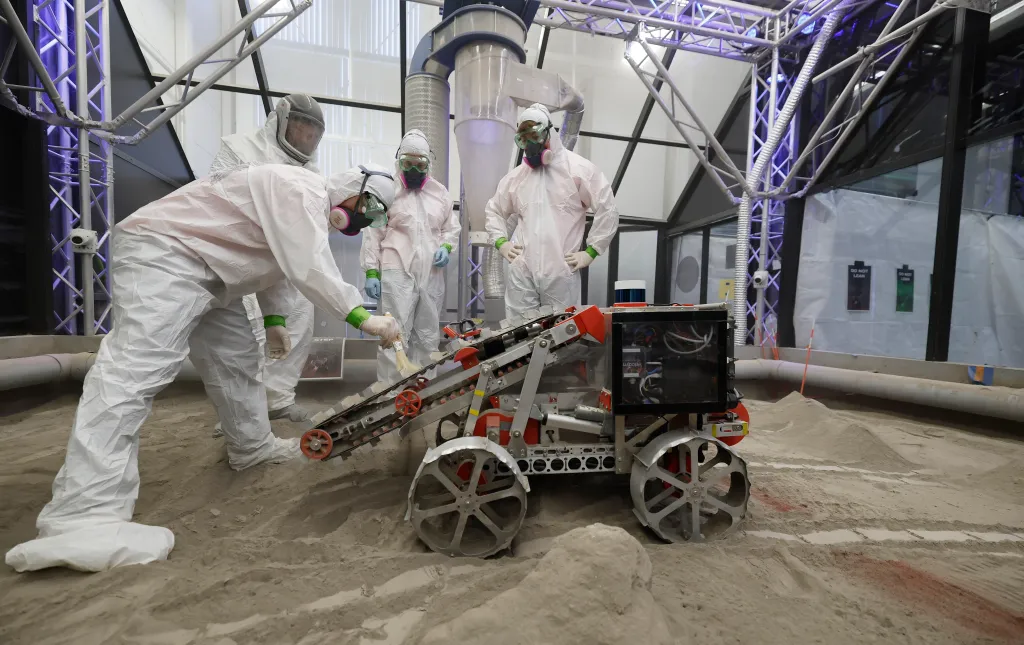
During their runs, some team members donned white, protective suits amid the hazy dust clouds kicked up within the plexiglass competition enclosure, outfitted with massive air filters and shop-vacs to clean off the equipment. They hauled in their robots while others watched, then commanded them remotely from a control room.
Teams get a second chance to improve on their first effort. On Wednesday, the 22-person Virginia team was preparing for round 2 by assembling replacement wheels.
“Because of how these failed catastrophically during our run, we decided to go with the metal wheels,” Son said, noting they used those wheels on the team’s rover in 2025. “So, they’ve been at the UCF arena, they’ve been at this arena, they have not been on this specific robot, but they’ve been on our previous robot, and therefore that’s enough of reassurance for us.”
They weren’t the only team facing hurdles. The University of Alabama team’s robot had a major issue with one of its wheel motors spinning erratically.
“We initially thought that the robot was stuck in some crater, but the wheel was actually just pulling in the opposite direction, making the robot very difficult to move,” said junior Ethan DeLuca, the software lead for the Alabama Astrobotics team.
Alabama’s team is an eight-time champion of the Lunabotics Challenge, which began in 2012, but they came in third in 2025.
“We saw more than one issue. I think the software is partially responsible for some of it, but yeah, we’ll just need to go through everything that we saw, make solutions to everything as best we can, and then just put our best foot forward in the next run,” he said.
The finals finish Thursday and are being streamed live on the Astronaut Memorial Foundation’s YouTube channel at youtube.com/@amf875
Read more Ex-UCF prof placed on diversion after physical altercation with kid on e-bike
Kurt Leucht, a NASA software engineer, has been acting as the live streams’ emcee this week. He explained the challenge has plenty to trip up competitors.
“They have a specific area that they’re allowed to dig in and a specific area that they’re allowed to dump or deposit in, but in between those two areas there’s an obstacle field. It’s not just a straight trip, they have to avoid rocks, they have to avoid craters, unless they can drive over the rocks and craters.”
Winners are not necessarily the team that builds the biggest berm. The judges take into account the weight of the robot as well as the energy needed to run it.
“If your robot uses more power, you know that’s not necessarily great for the for the moon, so if two robots make the exact same size berm, and one of them uses less power, they will have an advantage for the overall grand prize.”
That prize is $5,000 with smaller cash awards for other categories.
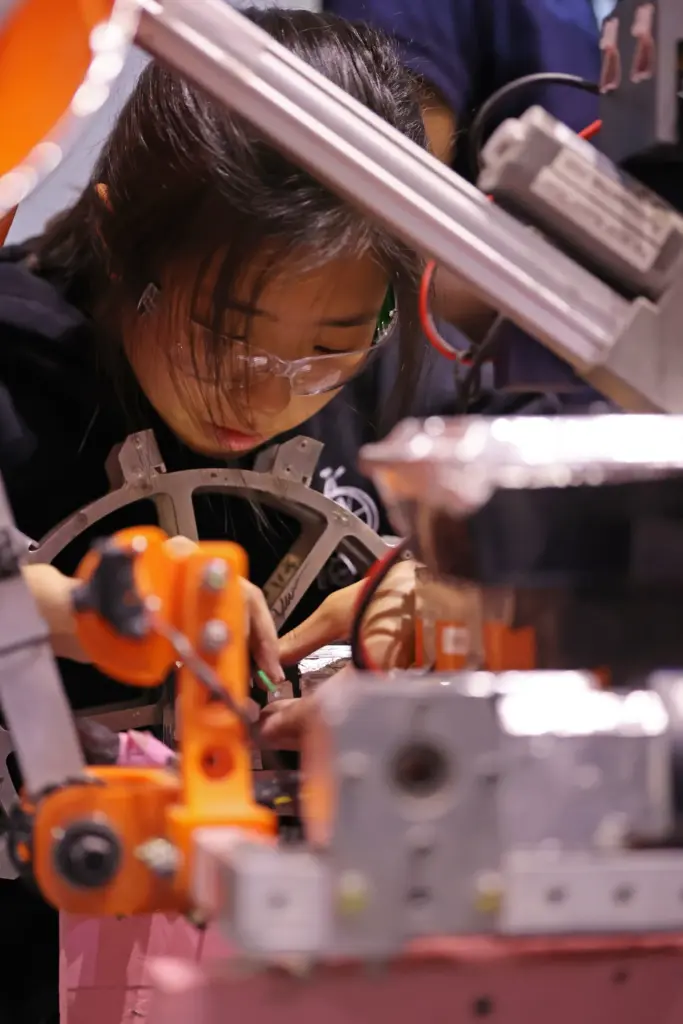 Nayeon Son of the University of Virginia works on her team’s Bruno robot during the Lunabotics Challenge at the Astronauts Memorial Foundation’s Center for Space Education, on Wednesday, May 20, 2026. (Ricardo Ramirez Buxeda/ Orlando Sentinel)
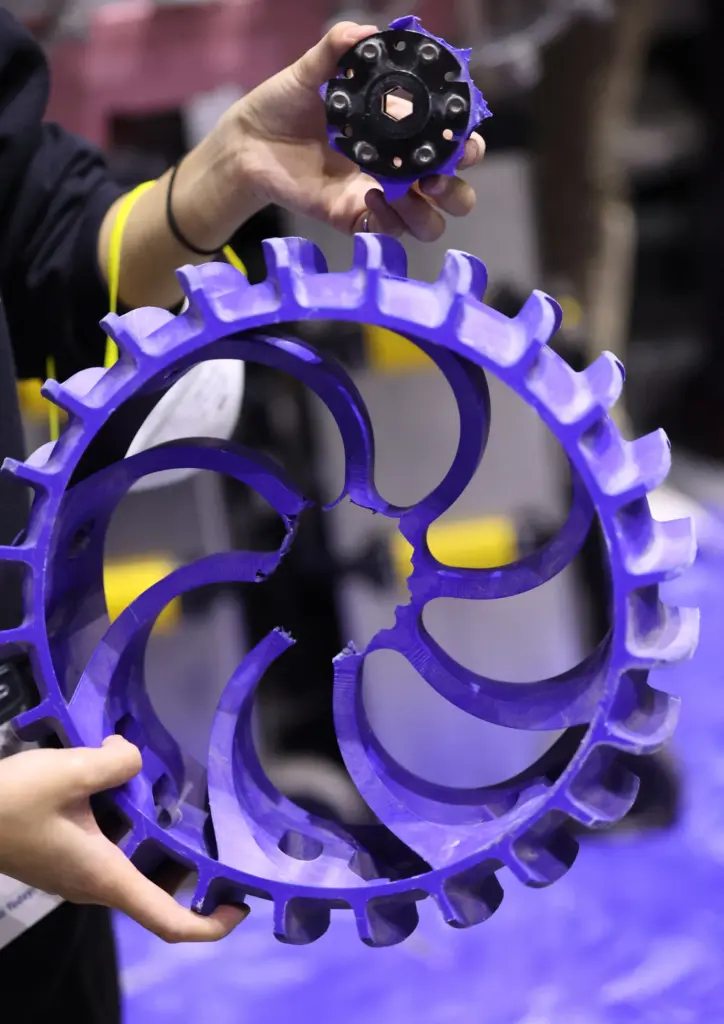 Nayeon Son of the University of Virginia shows off a failed 3D printed wheel from their team’s Bruno robot during the Lunabotics Challenge at the Astronauts Memorial Foundation’s Center for Space Education, on Wednesday, May 20, 2026. (Ricardo Ramirez Buxeda/ Orlando Sentinel)
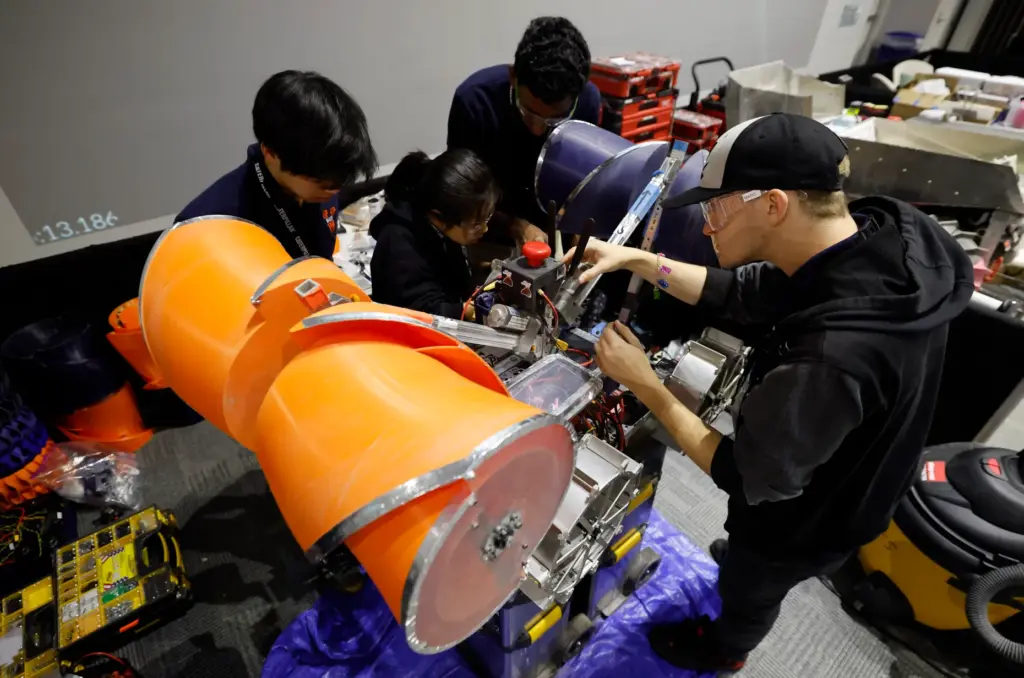 Left to Right, University of Virginia team members Lake Sun; Nayeon Son; Amith Polineni; and Richard Corp work on their Bruno robot during the Lunabotics Challenge at the Astronauts Memorial Foundation’s Center for Space Education, on Wednesday, May 20, 2026. (Ricardo Ramirez Buxeda/ Orlando Sentinel)
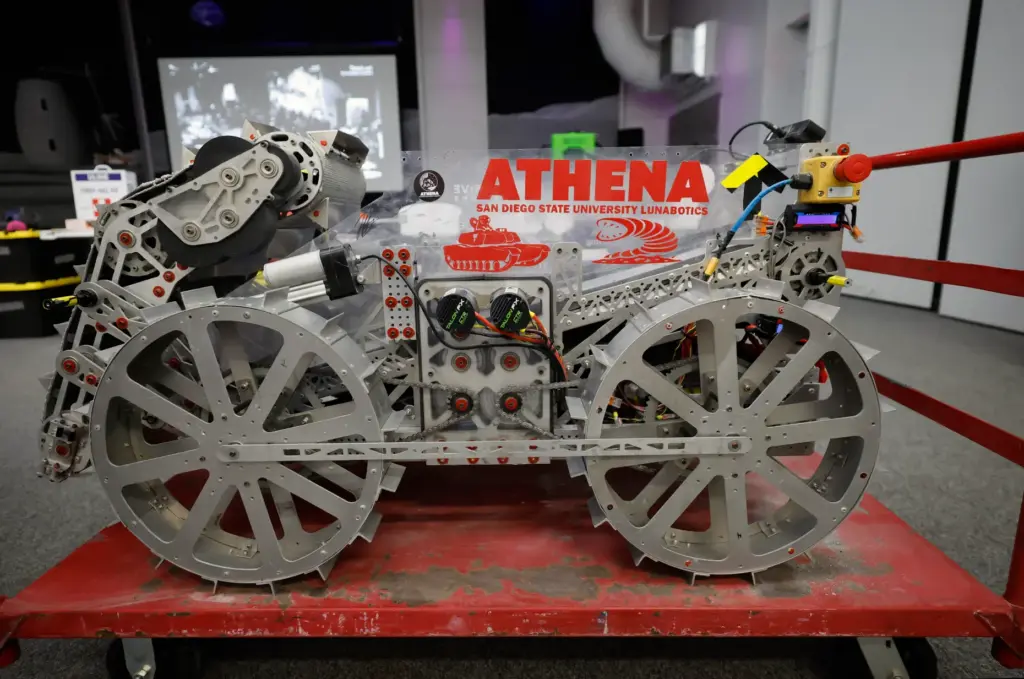 San Diego State University Lunabotic’s Athena robot before competing in the Lunabotics Challenge at the Astronauts Memorial Foundation’s Center for Space Education, on Wednesday, May 20, 2026. (Ricardo Ramirez Buxeda/ Orlando Sentinel)
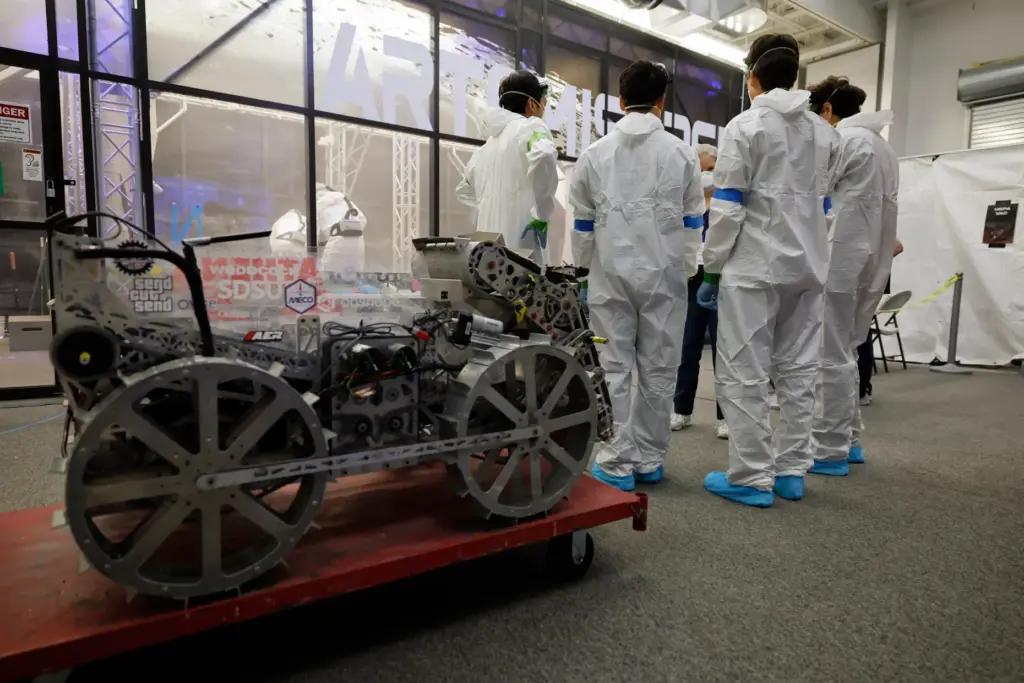 San Diego State University Lunabotic’s team is briefed before competing in the Lunabotics Challenge at the Astronauts Memorial Foundation’s Center for Space Education, on Wednesday, May 20, 2026. (Ricardo Ramirez Buxeda/ Orlando Sentinel)
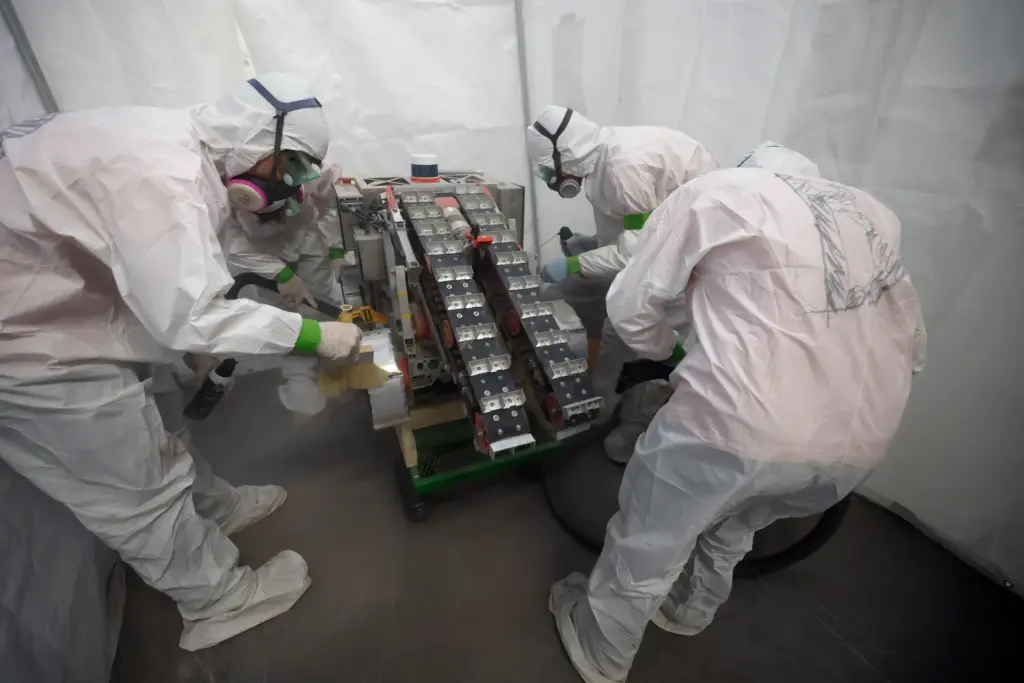 University of Alabama team members clean their robot after competing in the Lunabotics Challenge at the Astronauts Memorial Foundation’s Center for Space Education, on Wednesday, May 20, 2026. (Ricardo Ramirez Buxeda/ Orlando Sentinel)
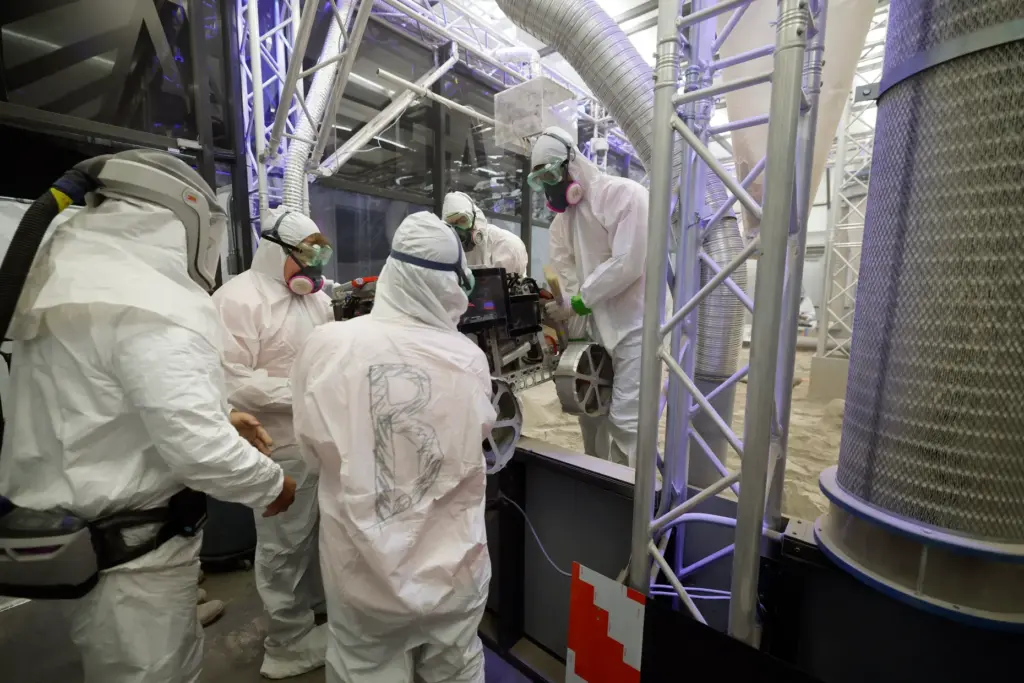 University of Alabama team members take their robot out of the arena after competing in the Lunabotics Challenge at the Astronauts Memorial Foundation’s Center for Space Education, on Wednesday, May 20, 2026. (Ricardo Ramirez Buxeda/ Orlando Sentinel)
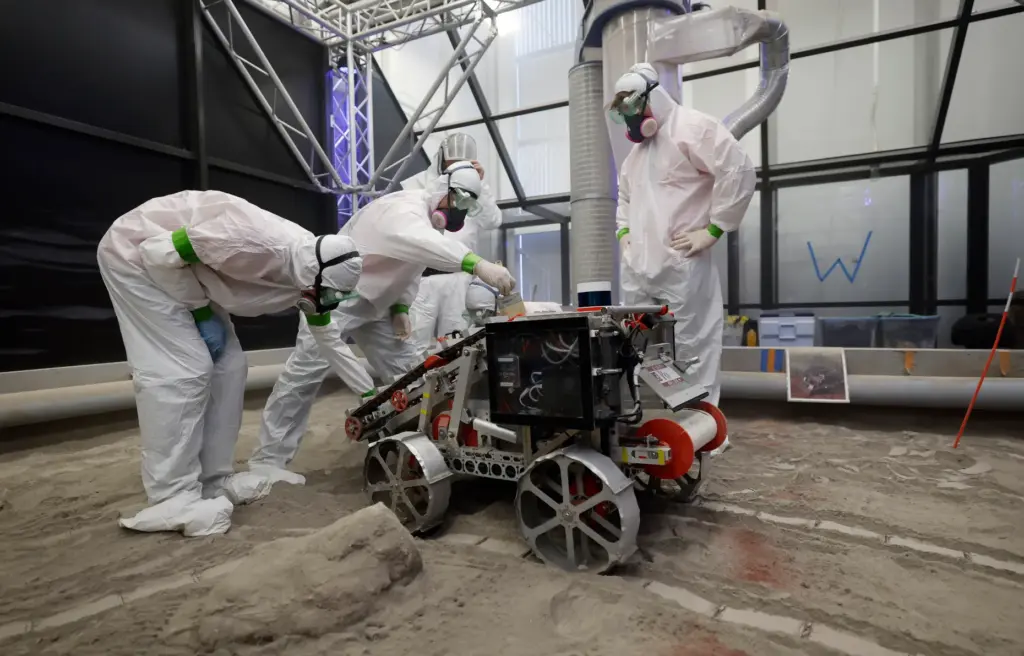 University of Alabama team members clean their robot after competing in the Lunabotics Challenge at the Astronauts Memorial Foundation’s Center for Space Education, on Wednesday, May 20, 2026. (Ricardo Ramirez Buxeda/ Orlando Sentinel)
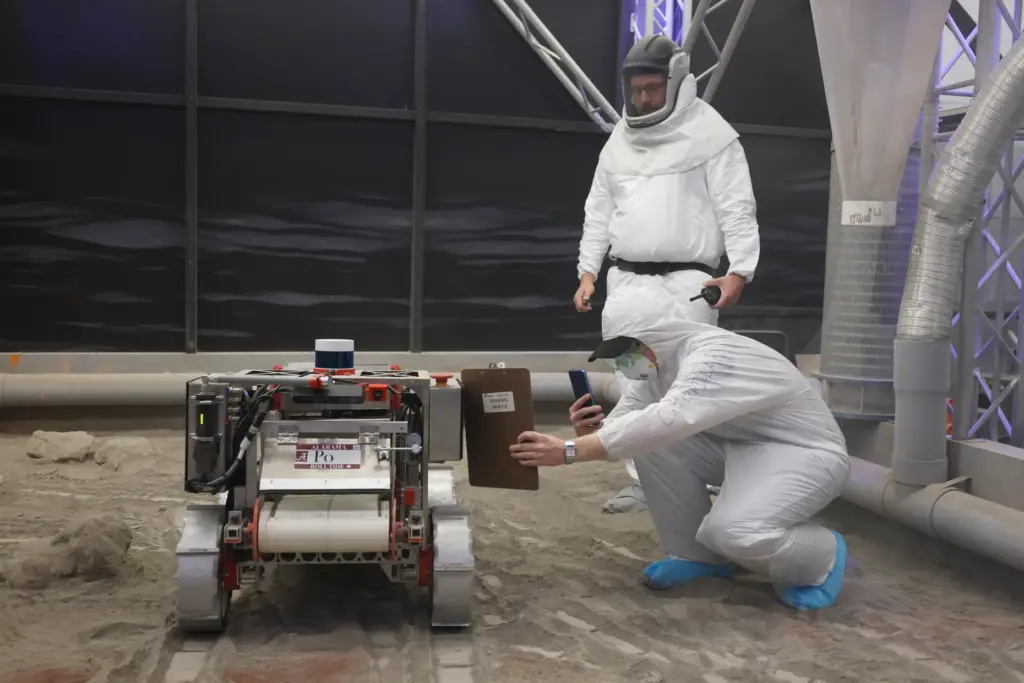 Judges Patrick Lahl looks on as Calvin Booth takes a photo of the voltage used by the University of Alabama’s robot during the Lunabotics Challenge at the Astronauts Memorial Foundation’s Center for Space Education, on Wednesday, May 20, 2026. (Ricardo Ramirez Buxeda/ Orlando Sentinel)
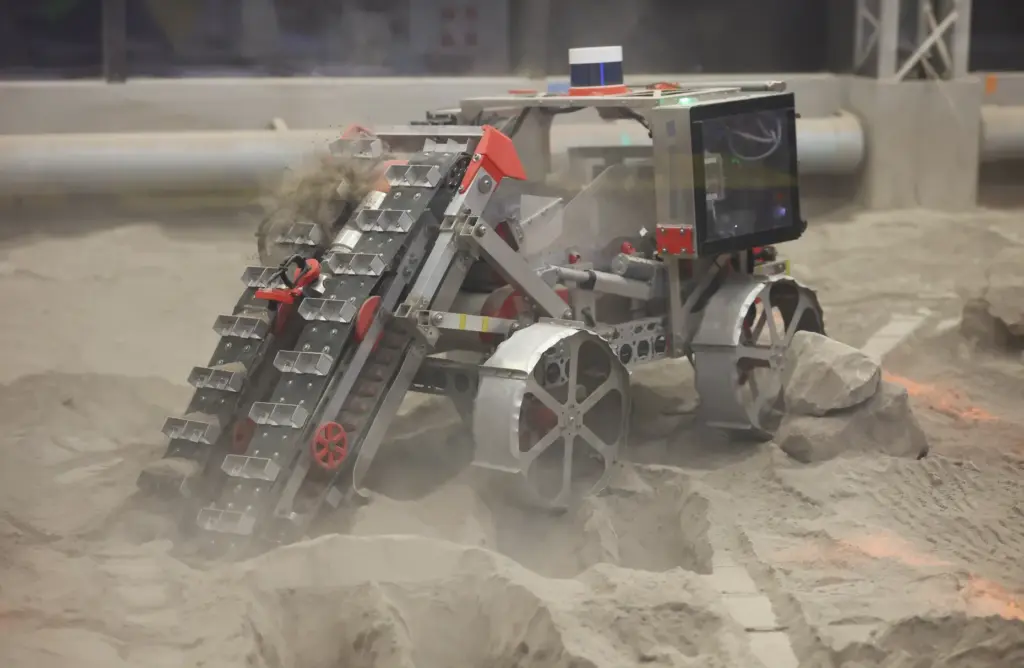 The University of Alabama’s robot digs during the Lunabotics Challenge at the Astronauts Memorial Foundation’s Center for Space Education, on Wednesday, May 20, 2026. (Ricardo Ramirez Buxeda/ Orlando Sentinel)
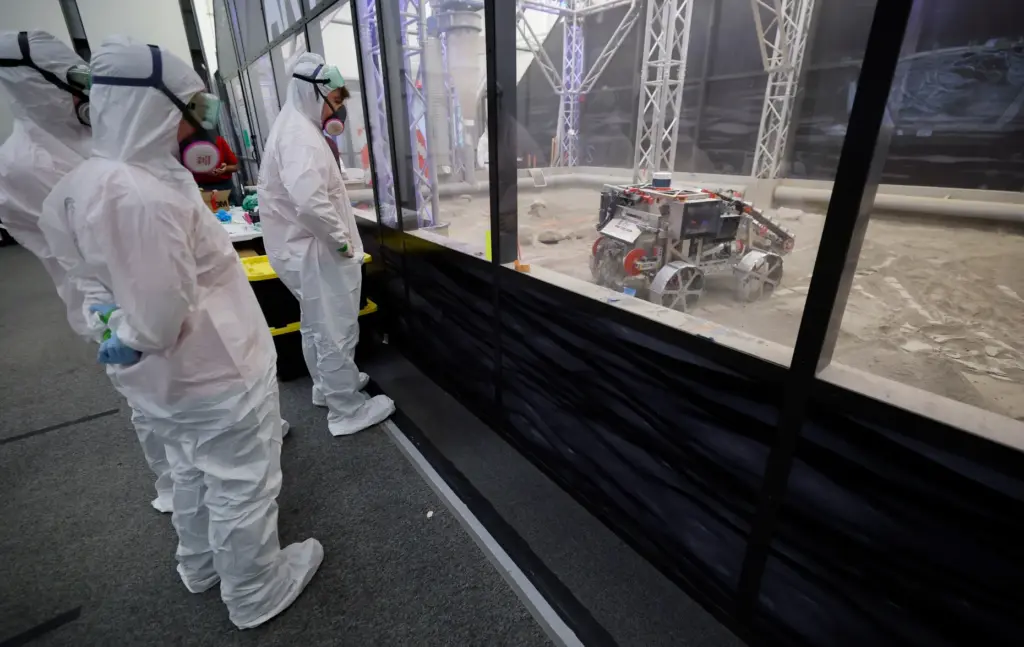 University of Alabama team members watch their robot make a berm during the Lunabotics Challenge at the Astronauts Memorial Foundation’s Center for Space Education, on Wednesday, May 20, 2026. (Ricardo Ramirez Buxeda/ Orlando Sentinel)
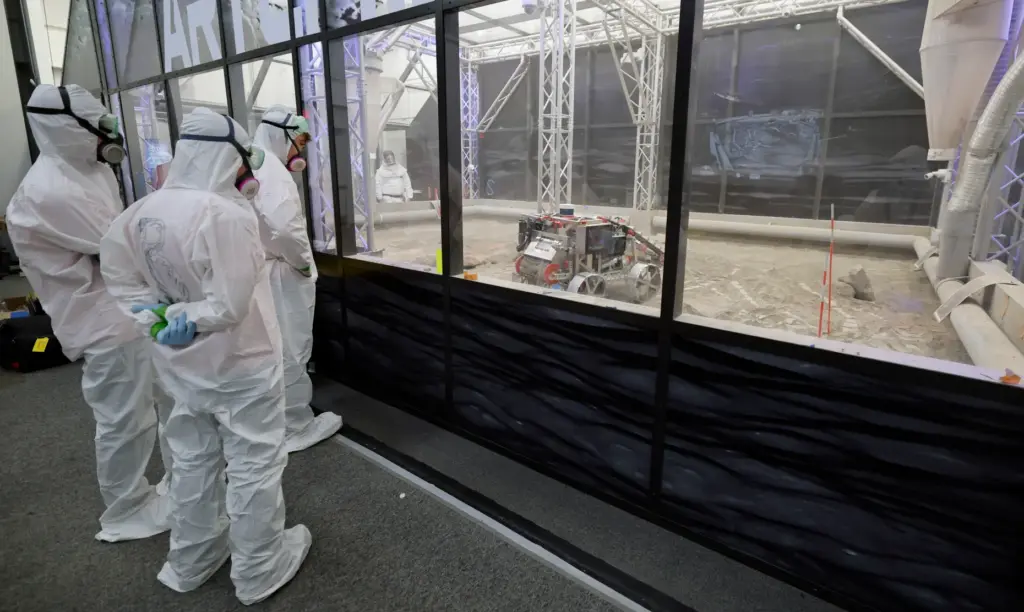 University of Alabama team members watch their robot make a berm during the Lunabotics Challenge at the Astronauts Memorial Foundation’s Center for Space Education, on Wednesday, May 20, 2026. (Ricardo Ramirez Buxeda/ Orlando Sentinel)
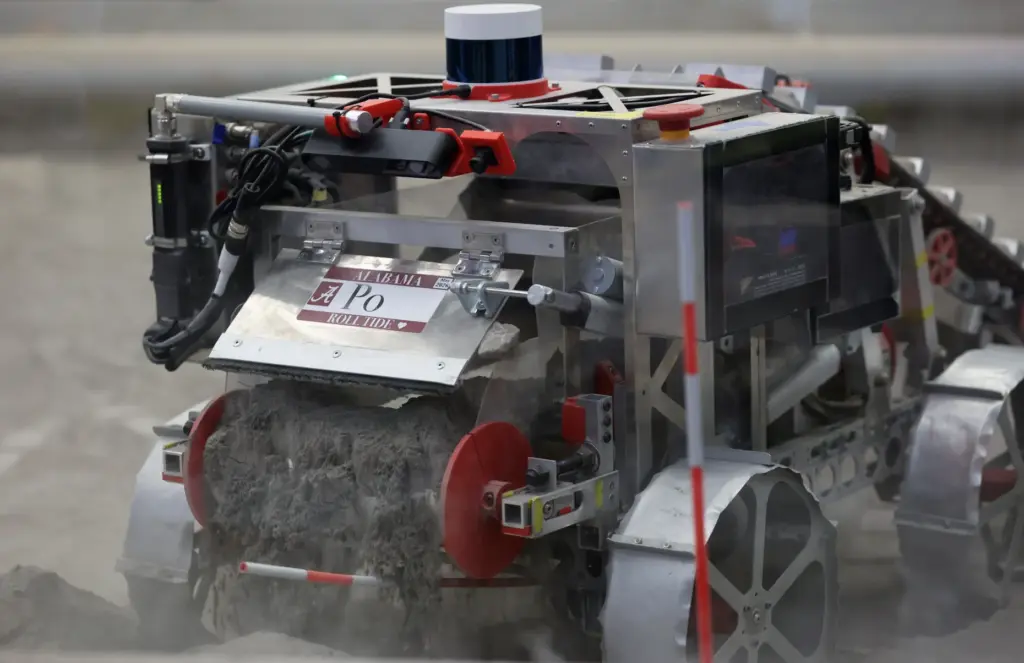 The University of Alabama’s robot makes a berm during the Lunabotics Challenge at the Astronauts Memorial Foundation’s Center for Space Education, on Wednesday, May 20, 2026. (Ricardo Ramirez Buxeda/ Orlando Sentinel)
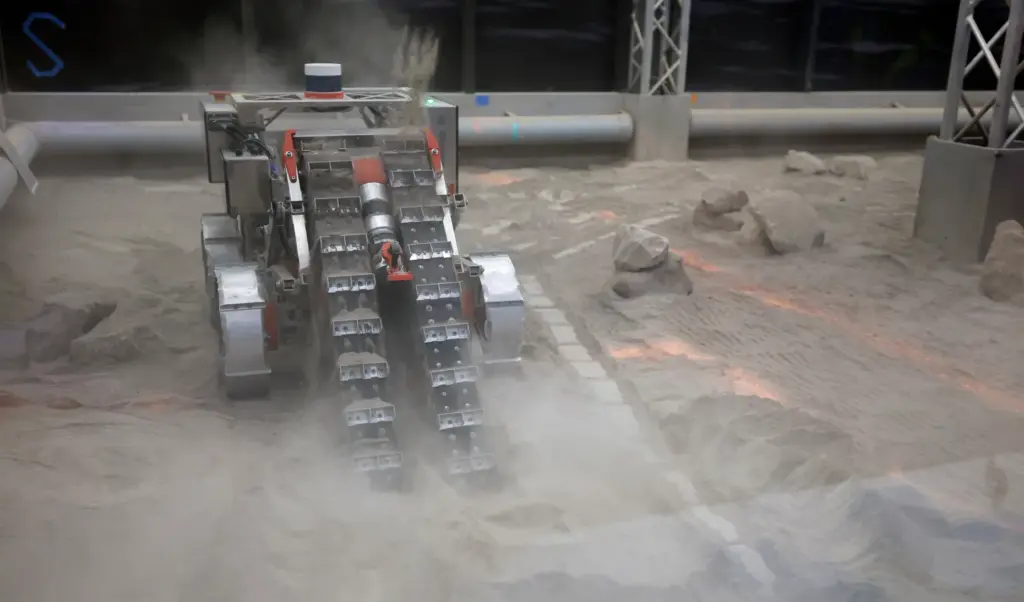 The University of Alabama robot digs during the Lunabotics Challenge at the Astronauts Memorial Foundation’s Center for Space Education, on Wednesday, May 20, 2026. (Ricardo Ramirez Buxeda/ Orlando Sentinel)
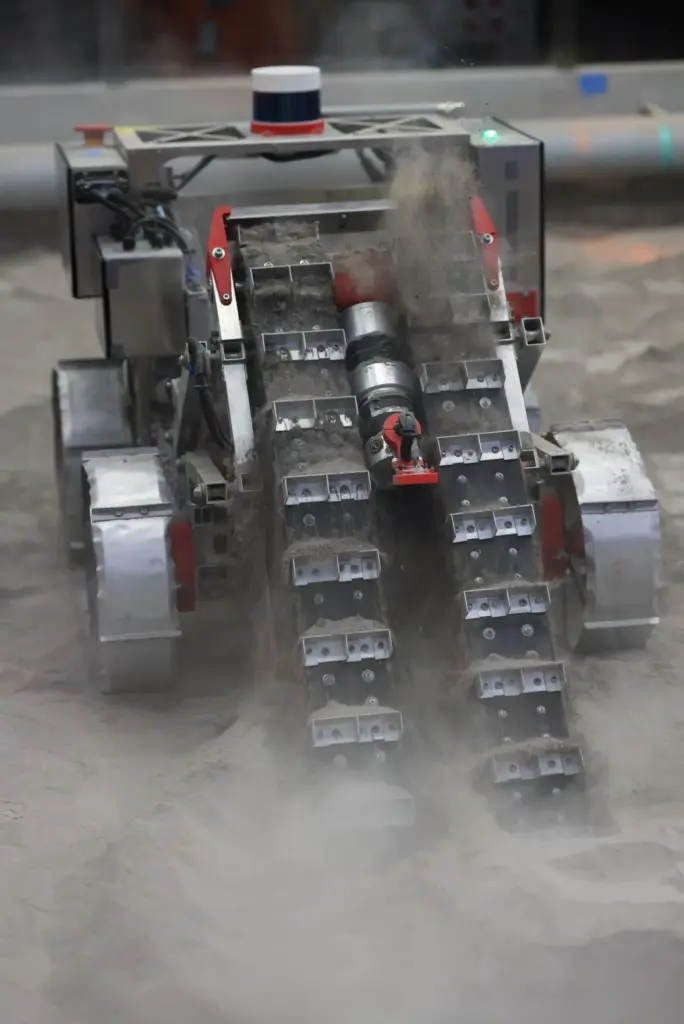 The University of Alabama robot digs during the Lunabotics Challenge at the Astronauts Memorial Foundation’s Center for Space Education, on Wednesday, May 20, 2026. (Ricardo Ramirez Buxeda/ Orlando Sentinel)
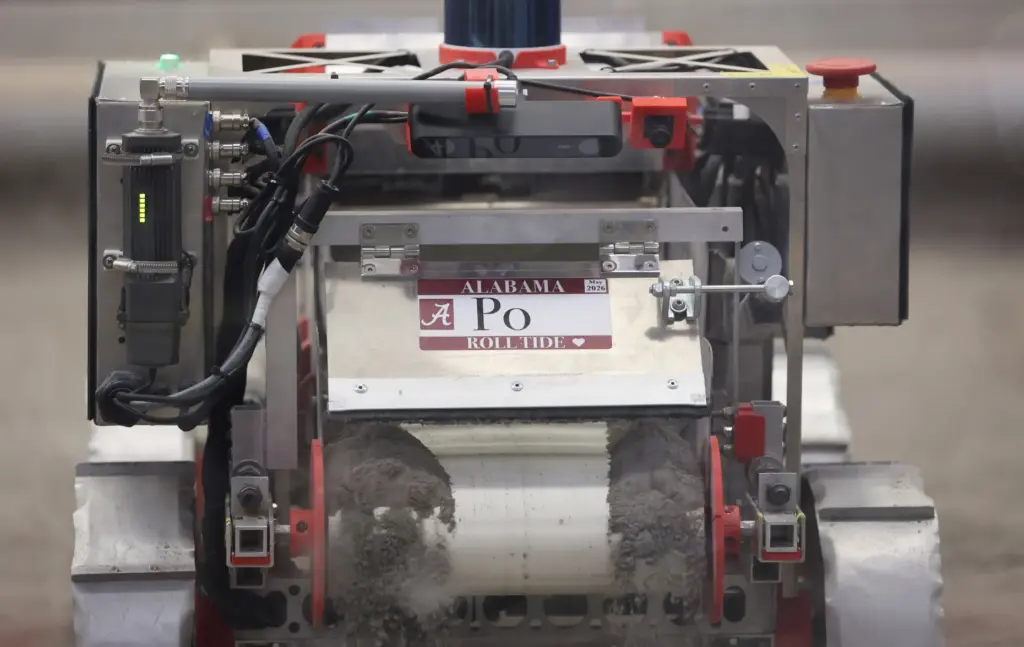 The University of Alabama robot makes a berm during the Lunabotics Challenge at the Astronauts Memorial Foundation’s Center for Space Education, on Wednesday, May 20, 2026. (Ricardo Ramirez Buxeda/ Orlando Sentinel)
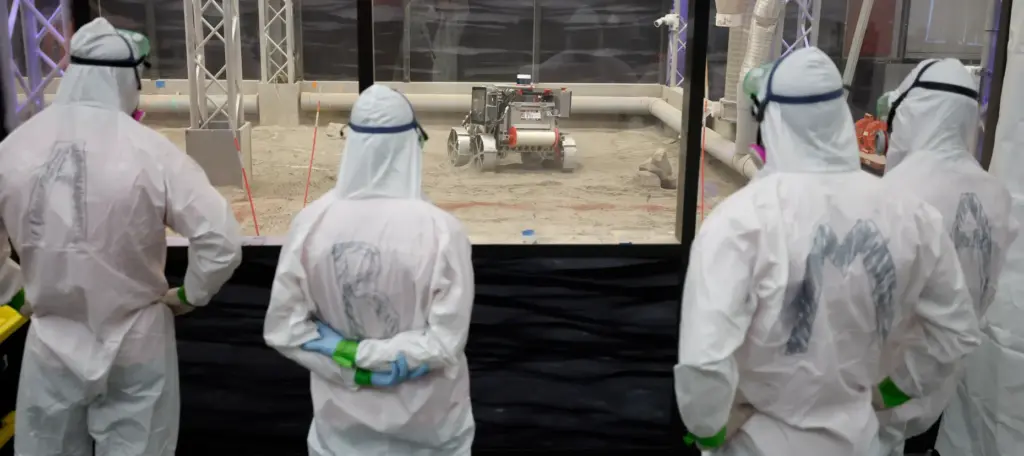 The University of Alabama team members watch their robot make a berm during the Lunabotics Challenge at the Astronauts Memorial Foundation’s Center for Space Education, on Wednesday, May 20, 2026. (Ricardo Ramirez Buxeda/ Orlando Sentinel)
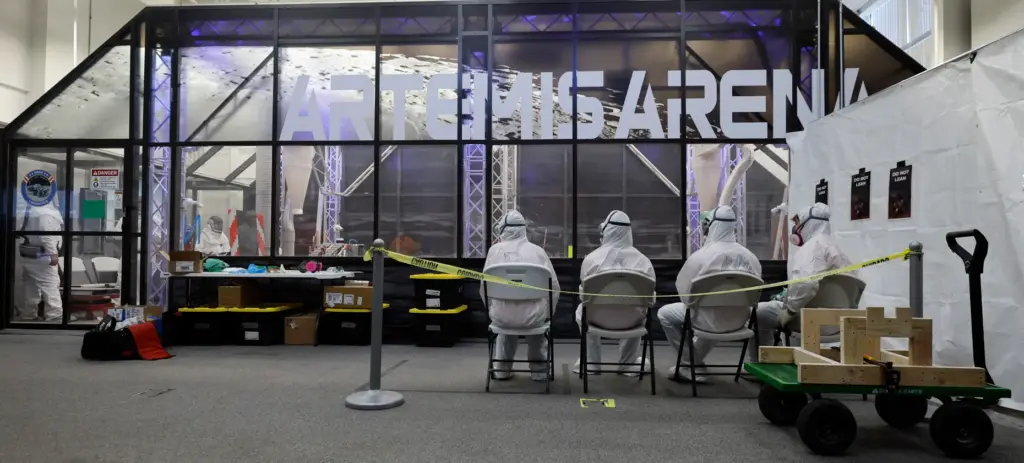 The University of Alabama team members watch their robot make a berm during the Lunabotics Challenge at the Astronauts Memorial Foundation’s Center for Space Education, on Wednesday, May 20, 2026. (Ricardo Ramirez Buxeda/ Orlando Sentinel)
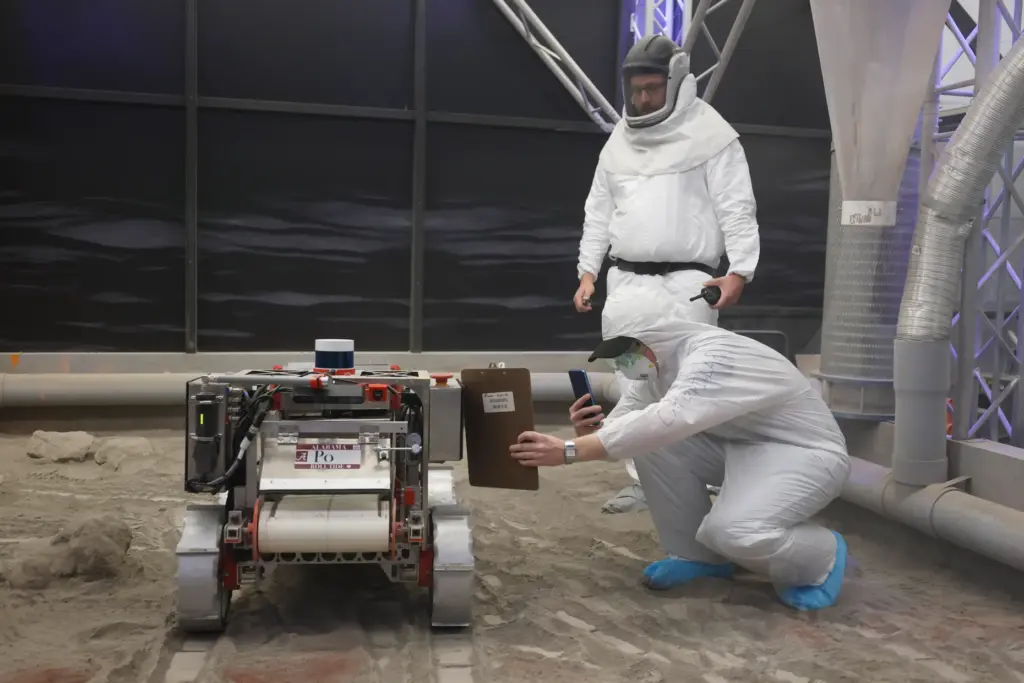 Judges Patrick Lahl looks on as Calvin Booth takes a photo of the voltage used by the University of Alabama’s robot during the Lunabotics Challenge at the Astronauts Memorial Foundation’s Center for Space Education, on Wednesday, May 20, 2026. (Ricardo Ramirez Buxeda/ Orlando Sentinel)
This is the third year in a row the challenge has been focused on making berms, because the task directly ties into a forthcoming NASA mission called IPEx, or Infrastructure Pilot Excavator, run out of KSC’s Swamp Works, a series of labs that work on innovative technologies, some of which have already flown to the moon.
IPEx will be riding on another Firefly Aerospace Blue Ghost lunar lander headed for the lunar South Pole as soon as 2029.
“It’s going to build a berm, so the students are doing the exact same thing that we’re going to do in space, and we want to learn from the students, and we want to teach the students, so it’s symbiotic,” said Robert Mueller, lead judge of the competition and a senior technologist at Swamp Works.
And having roughly 50 competitors each year means NASA gets more ideas that could help steer those efforts, Mueller said.
Even though the University of Virginia’s wheels were troublesome, Mueller was particularly interested in the team’s design for the barreled structures used to dig up the dirt, which he said was similar to IPEx.
“They have the double bucket drum, but their bucket drum was a very interesting design. So we’re looking at their bucket drum, see if we can maybe affect our design. We have a good design, but maybe their design can inform our design,” he said.
He said IPEx and the Virginia team’s rover have a similar approach to getting out of trouble, too.
“The wheel came off, but they kept going, and that’s exactly why we designed IPEx the way it is. It can flip over, it can rescue itself. If it gets stuck on a rock, it can lift itself off a rock,” he said. “Most rovers in space, like the Mars rovers, when their wheel was damaged, or when they got stuck in sand on Mars, game over, can’t do anything. This robot, it’s a construction robot, so the construction robot is more robust.”
He said the competition is a win-win for NASA and the students.
“We’re on the leading edge of technology, and the students here get 21st century skills,” he said. “These are skills that can be applied anywhere in industry.”
Read more Volusia man gets life sentence for gunning down off-duty cop at gas station