
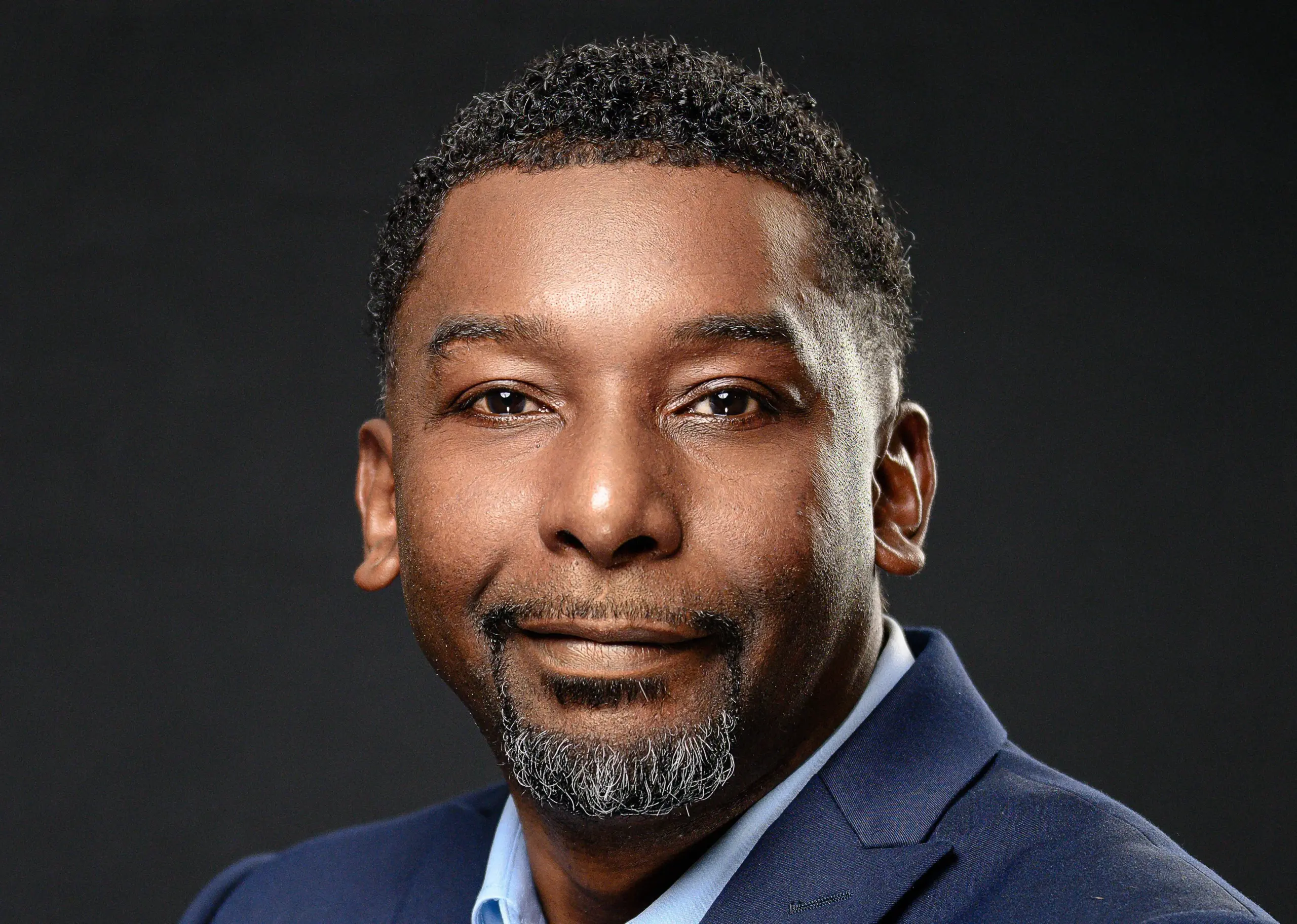
During my recent run for Congress, I spent a lot of time talking with people across Central and Northeast Florida. Whether I was in Ocala, Daytona Beach, Palm Coast or one of the smaller communities in between, I kept hearing different versions of the same story.
Read more Guest Commentary: Food insecurity is more prevalent than you think, but you can help
People were working. They weren’t asking for a handout. They were doing what we tell people they’re supposed to do: going to work, raising families, paying bills and trying to put something away.
But too many were still falling behind.
We need to stop talking about Florida’s affordability problem like it’s just another economic statistic. For millions of Floridians, the question is much simpler: Can the people who work here still afford to live here?
According to the 2026 State of ALICE report, 47% of Florida households were either living below the federal poverty level or earning above it but still unable to afford basic necessities.
Think about that. Nearly half of Florida households.
Many are people we depend on every day. They work in restaurants and hospitals. They care for our seniors. They teach our children. They stock our grocery stores. They’re veterans building their next chapter and parents working full time while trying to figure out which bill can wait until the next paycheck.
Even in the Ocala area, where living costs can be lower than other parts of Florida, the math is difficult. MIT’s Living Wage Calculator estimates that a single adult without children in the Ocala metro needs to earn about $21 an hour to cover basic expenses.
And housing is only part of the problem. Families are dealing with groceries, insurance, healthcare, transportation, utilities and childcare at the same time.
Florida is growing because people want to live here. Businesses investing here is good. Families choosing Florida is good.
But growth alone isn’t success.
If a teacher can’t afford to live in the community where she teaches, we have a problem. If a CNA caring for our parents needs two jobs to keep up with rent, we have a problem. If a young couple does everything right but still can’t see a path toward buying their first home, we have a problem.
Affordability shouldn’t be a Republican issue or a Democratic issue. Your grocery bill doesn’t ask how you voted before taking money out of your bank account.
Read more Daily Horoscope for September 09, 2026
We need leaders willing to attack the problem from several directions.
We need more housing working people can actually afford — starter homes, workforce housing and responsible development, not simply more houses beyond the reach of people already living here.
Florida must keep addressing the total cost of homeownership, particularly property insurance.
We also need economic development that creates careers, not just jobs. Bringing businesses to Florida should mean creating opportunities that allow Floridians to raise families, build careers and eventually own something.
Government also needs to look at affordability the way families do. Families don’t separate groceries from electricity, rent from car insurance or childcare from healthcare. They look at what’s left in the checking account after everything gets paid.
Our policies should look at the whole picture too.
I know what it is like to rebuild a life. I’ve experienced seasons when getting from where I was to where I wanted to be seemed almost impossible. That experience shapes how I look at public policy.
People don’t need government to promise them an easy life.
They need a fair shot at building one.
Florida can continue growing, welcoming businesses and creating opportunities. But we can’t measure success only by how many people move here or how much development we attract.
We also have to ask whether the people already here are benefiting.
A strong Florida shouldn’t just be a place people want to move to. It should be a place where the people who work, serve and raise their families here can afford to stay.
Robert “Rob” Cooper, who lives in Marion County, is CEO and co-founder of Zero Hour Life Center, a Florida-based Recovery Community Organization. He ran to represent the 6th District in Congress earlier this year, losing in the Democratic primary.
Read more Junior Caminero hits his 39th homer, Rays beat Braves