
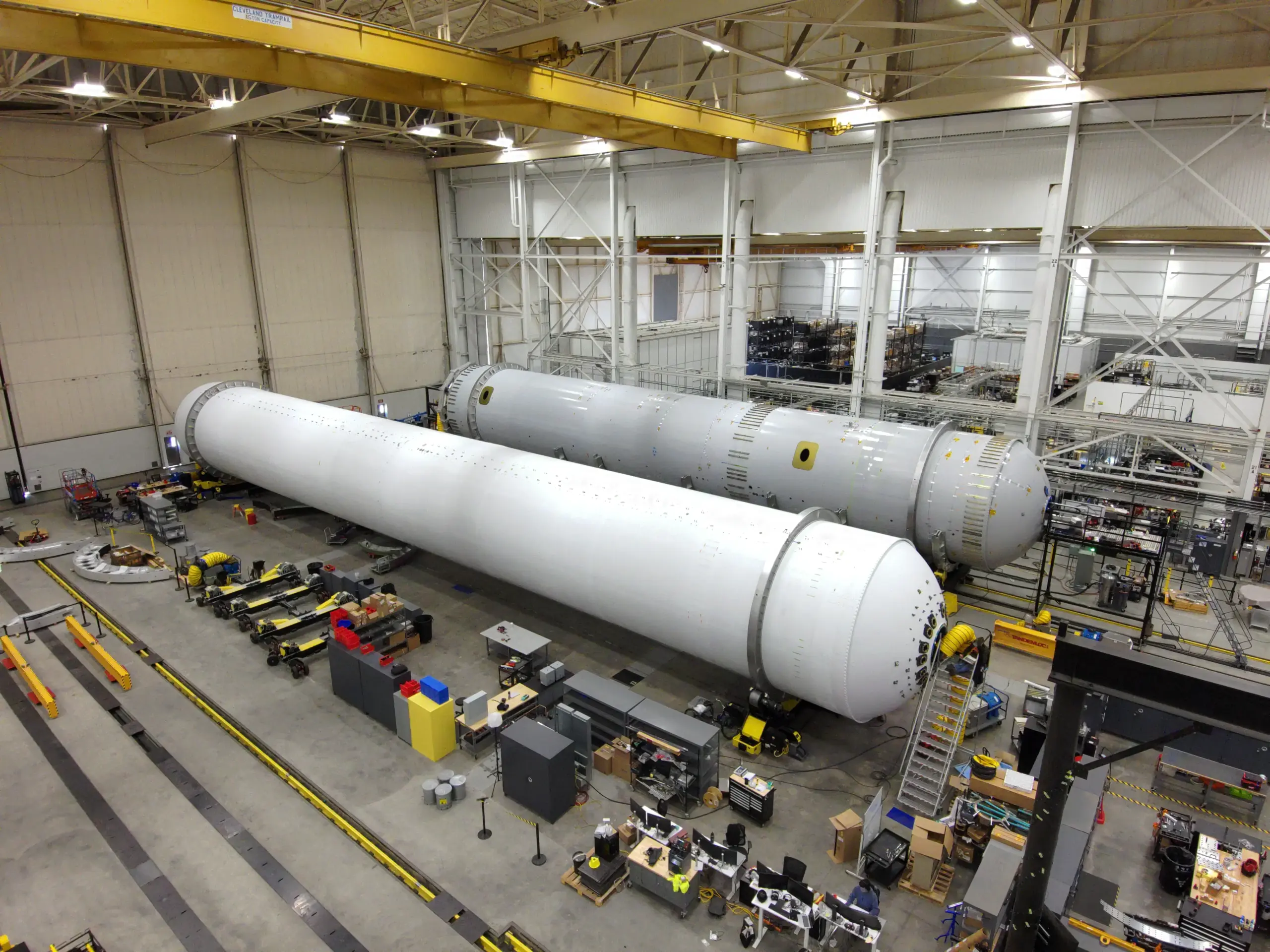
Relativity Space has only launched one small rocket back in 2023, but a larger rocket in the works has been given NASA’s OK to go for potential future missions.
Read more Mordisco Steakhouse offers diverse delights, deals on I-Drive | Review
The agency announced Wednesday it had awarded the Long Beach, Calif. company a contract for its Terran R rocket as part of the on-ramp provision of the NASA Launch Services II program.
The rocket is a larger version of the Terran 1 that launched from Cape Canaveral Space Force Station’s Launch Complex 16 more than three years ago.
Adding it to NASA’s launch service contract means the agency can choose it to fly future missions if it wants to.
NLS II contracts are multiple-award, indefinite-delivery and indefinite-quantity contracts with an ordering period through June 2030 for launches that would need to fly by December 2032. The Launch Services Program office is based out of Kennedy Space Center.
The program allows for on-ramping new launch service providers each year, and Terran R could fly its first mission within the next year.
NLS II contracts are for missions from NASA’s Human Spaceflight Mission Directorate, Science Mission Directorate, and the Research and Technology Mission Directorate.
Read more Editorial: Make your voice heard during this election season
It also allows for NASA to be the provider for other agencies like the National Oceanic and Atmospheric Administration.
“We’re excited to help unlock new frontiers of discovery beyond Earth,” the company posted on X.
NASA had already awarded Relativity Space the Mars-bound science mission Aeolus aiming to launch in 2028. The company would launch on Terran R, but is also tasked with building the spacecraft to house the scientific tools that would be used for a global survey of Martian winds, temperatures, dust and clouds.
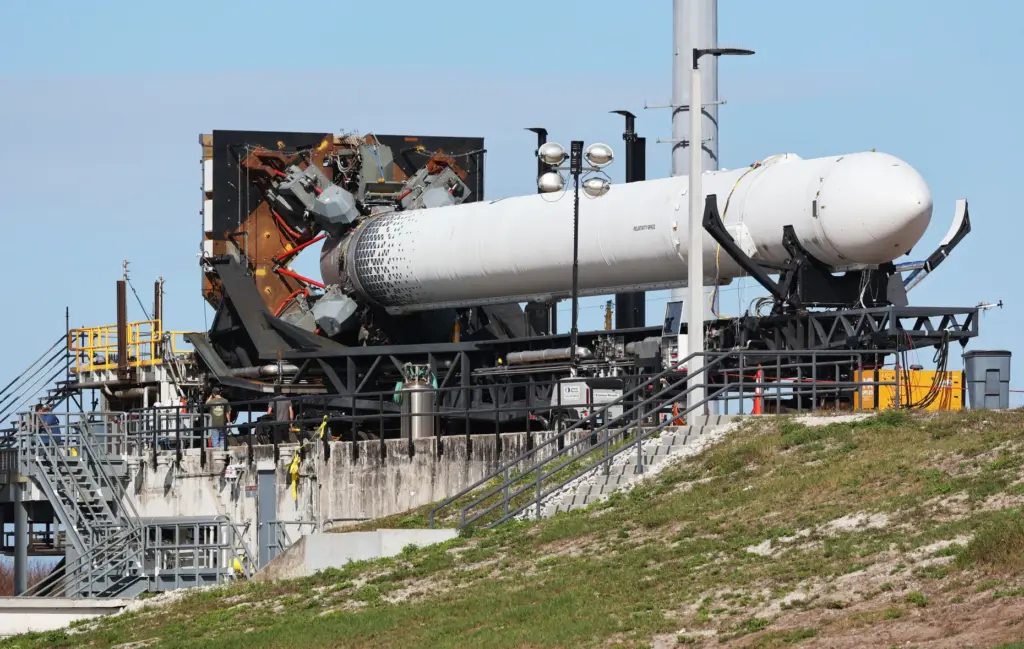 A Terran 1 rocket in the Transporter Erector at Launch Complex 16 —during a tour of Relativity Space at Cape Canaveral Space Force Station on Tuesday, Dec. 6, 2022. (Ricardo Ramirez Buxeda/Orlando Sentinel)
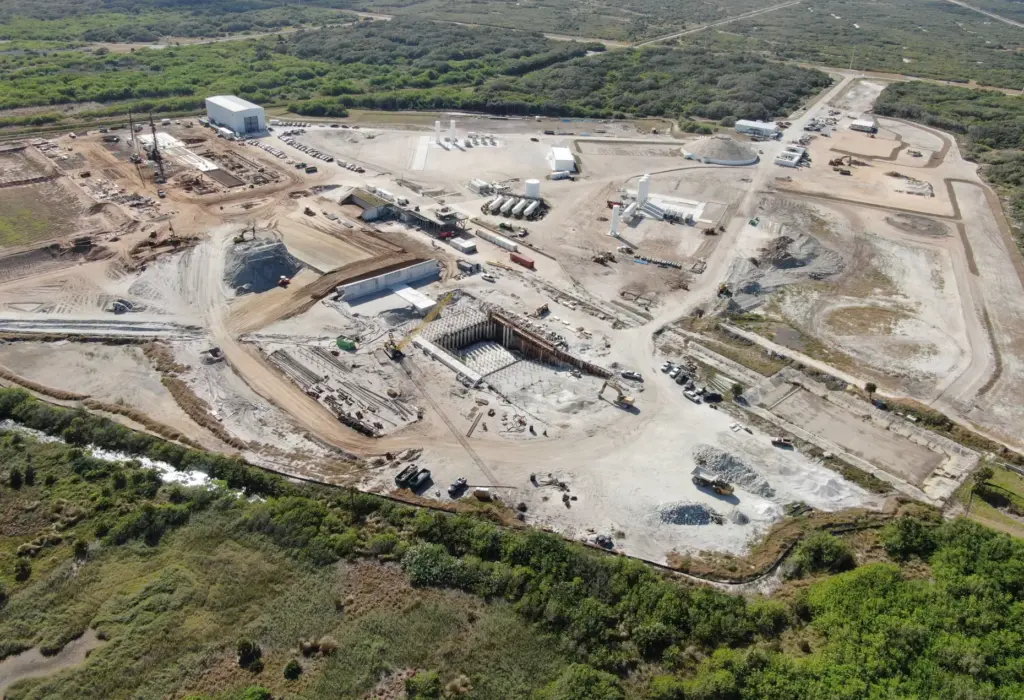 Relativity Space works to build a new launch pad at Cape Canaveral Space Force Station’s Launch Complex 16 to support its Terran R rocket aiming for a debut launch by the end of 2026. (Courtesy/Relativity Space)
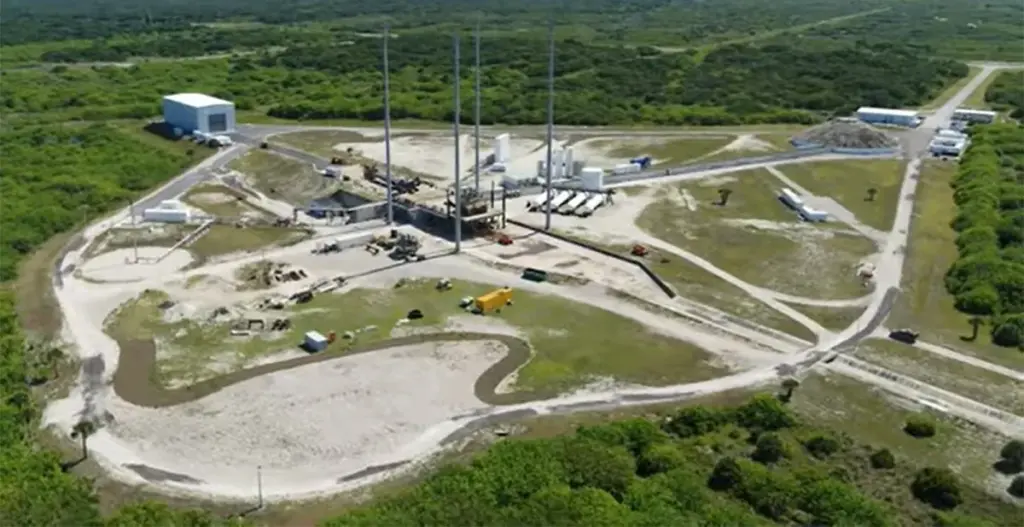 Relativity SpaceRelativity Space will be using Launch Complex 16 at Cape Canaveral Space Force Station for launches of its 3D-printed Terran 1 rockets.
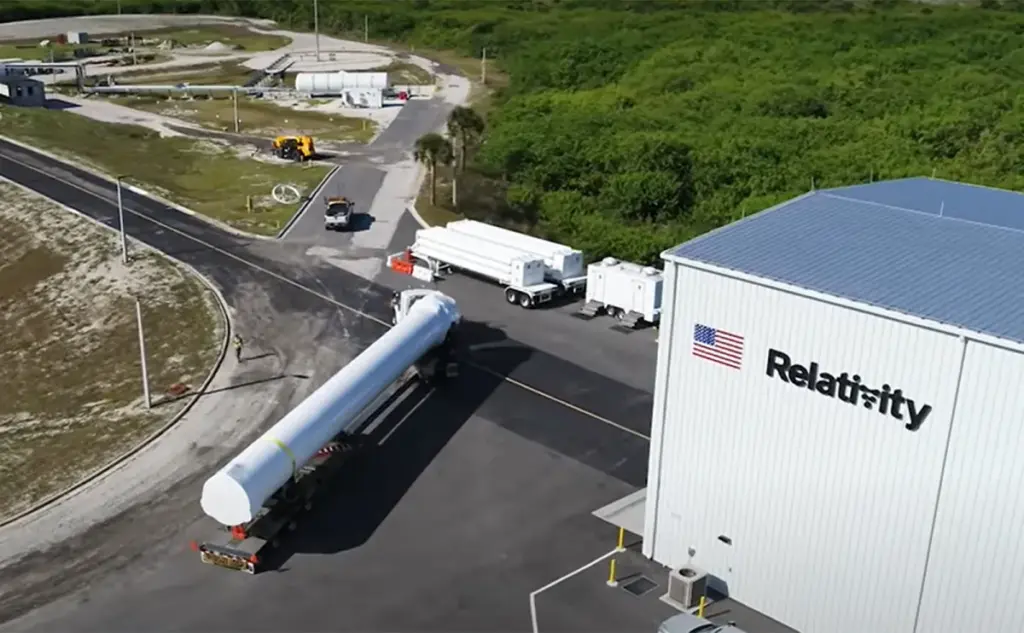 Relativity SpaceThe first stage of the Relativity Space Terran 1 rocket arrives to its facility at Launch Complex 16 at Cape Canaveral Space Force Station in June 2022.
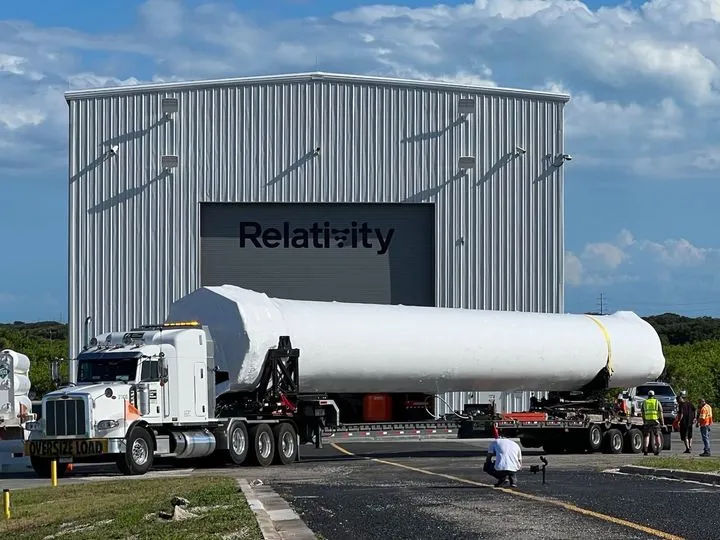 Relativity SpaceThe first stage of the Relativity Space Terran 1 rocket arrives to its facility at Launch Complex 16 at Cape Canaveral Space Force Station in June 2022.
Relativity Space was founded in 2015 and managed its lone launch of the majority 3D-printed Terran 1 rocket in March 2023 as a proof of concept from LC-16. The company shut down that smaller rocket’s production plans soon afterward in favor of the larger Terran R, while also building out bigger facilities on the Cape.
Funding issues also slowed company progress before Eric Schmidt, the former Google executive chair, invested and made himself CEO.
It had been trying to get Terran R to Cape Canaveral to launch before the end of the year, but that’s likely going to slip to 2027.
Read more Florida man faces execution for 1996 killing connected to ‘Hog Trail Murders’ in woods