
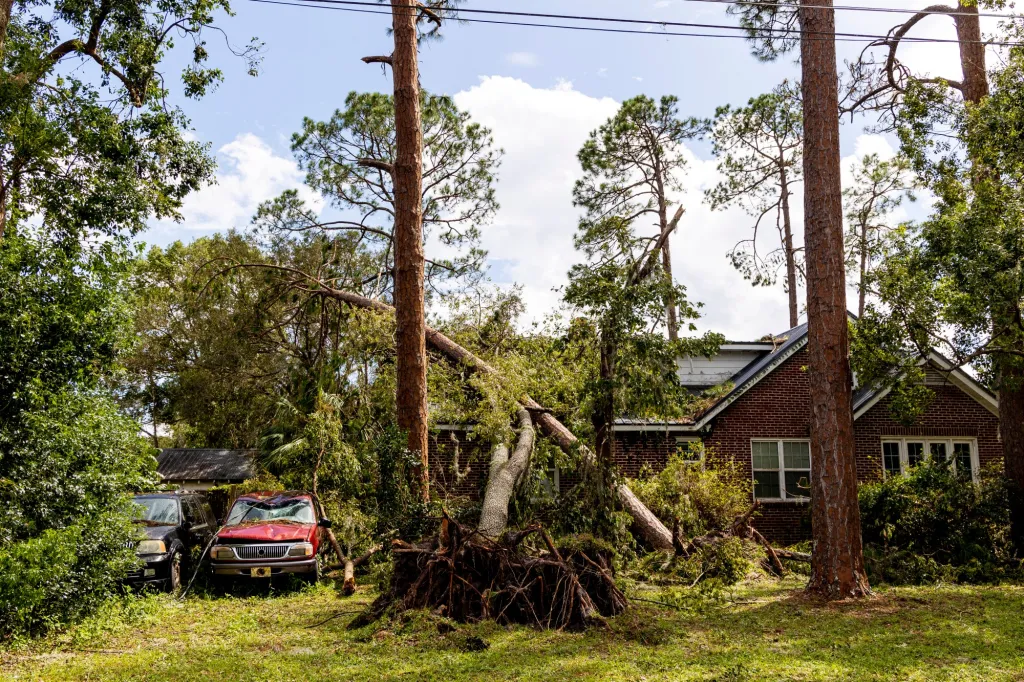
Every year, I watch the same thing happen. A storm forms in the Gulf, and suddenly homeowners across Central Florida are scrambling to figure out if their roof can handle what is coming. By that point, the window to prepare has already closed.
Read more Letters: Don’t cut property taxes | Israel’s actions in Gaza | War is Trump’s distraction
Hurricane season officially begins June 1, and that date is not just a calendar marker. It is a deadline. The National Oceanic and Atmospheric Administration’s forecasts have increasingly pointed to above-average Atlantic hurricane activity in recent years. The steps taken right now will determine how well a home holds up when the season’s first named storm arrives.
The single most important step any homeowner can take is scheduling a professional roof inspection before hurricane season begins. The earlier you schedule it, the more time you have to address anything that needs attention. A licensed roofer will check for loose or missing shingles, cracked tiles, compromised flashing and fastening issues that may not be visible from the ground but matter greatly when winds climb into hurricane territory.
What many homeowners do not realize is that the roof’s surface is not always the first thing to fail. Components like flashing, pipe jacks, vents and gutters are frequently the first to show signs of trouble, even when the roofing material above them looks intact. Wind uplift can loosen or lift shingles, creating vulnerable areas where water can enter. Once that protective layer is compromised, even minor openings can lead to ongoing water intrusion that causes leaks, wood damage, microbial growth and structural deterioration over time.
Beyond the roof itself, there are steps homeowners can take on their own to reduce risk before a storm arrives. Clean gutters and downspouts and trim back any tree limbs overhanging the structure. In a hurricane, those branches become projectiles. What homeowners should leave to a licensed professional, however, is anything that involves repairs. DIY fixes often address symptoms rather than root causes, and water from Florida storms can travel far before it is detected. Getting on the roof is not worth the risk, and an improper repair can make a problem worse. Many roofing companies, including Skymark Roofing in Mount Dora, offer free pre-storm inspections that give homeowners a clear picture of their roof’s condition without putting themselves at risk.
Not all roofs perform the same way in a storm. Wind resistance depends on the age of the roof, installation quality, fastening patterns, the underlayment system, and whether the work meets current Florida Building Code requirements. Newer systems installed to modern FBC standards include stricter nailing patterns and improved secondary water barriers, which significantly improve a roof’s ability to hold up in high winds.
Read more These reliable pressure washers keep your property looking spotless
One of the most overlooked steps in storm preparation is creating a pre-storm photo record. Before any storm is on the radar, photograph the entire roof system from the ground, capture close-ups of shingles, flashings, vents and gutters, and check the attic interior for any pre-existing stains or moisture. Store those images, along with receipts for past repairs and insurance policy details, in a secure location such as a cloud drive or flash drive.
Keep a few basics on hand for temporary protection after a storm: heavy-duty waterproof tarps, 2×4 boards for securing them, roofing nails, a hammer, and gloves. A flashlight is useful for checking the attic for moisture after a storm passes. After any severe weather, do not start permanent repairs before documenting the damage with date-stamped photos. A professional inspection report with a code-compliant scope of work can help homeowners communicate more effectively with their insurance carrier after a storm and ensure their roof is properly restored.
The time to prepare is not when a storm is in the forecast. It is right now, while the pressure is off and the options are still open.
David Nye is chief growth officer at Peak Roofing Partners and former owner of Skymark Roofing.
Read more 10 portable vacuums to make cleaning out your car easier