
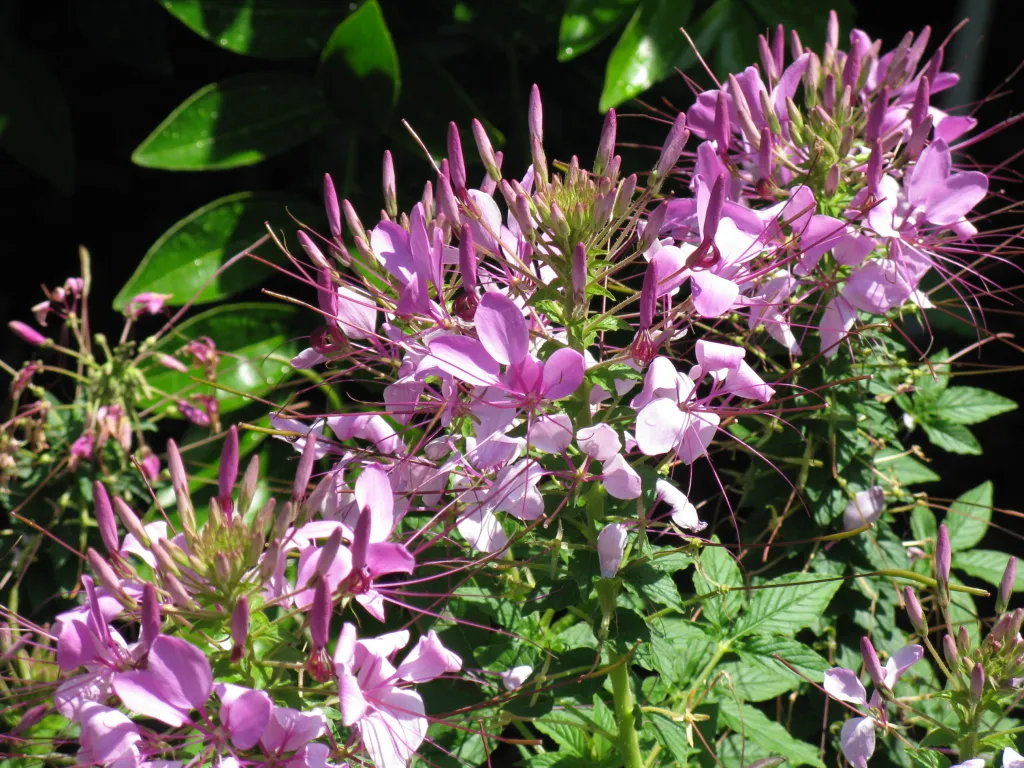
Q: I used to grow cleome in my northern flower garden. How well does this plant do in Florida?
Read more June is arriving, here’s the to-do list for Central Florida gardeners
A: Summer is a great time to grow cleome, also called spider flower, as it does not seem to mind the heat. Blooms of white, pink and purple appear forgotten by gardeners, but you can sometimes find plants and seeds. This is considered a bit of an invasive plant, but conscientious gardeners can remove or till under unwanted seedlings. Also, it is sensitive to cold. Grow cleome in sunny flowerbeds or containers to have color spring through fall. Since plants can grow over three feet tall, they might be used as a background for other flowers.
Q: We have recently added new shade-tolerant St. Augustine to our yard. We have been watering daily for two weeks for 10 minute in each zone. How long should I be watering daily?
A: Reduce the watering to two times a week, or none at all if the rains, begin to supply needed moisture. I’m assuming the new grass is in a shady site since you selected a specific type of St. Augustine. Too much water in a shady area can cause new turf to rot. Only water when the soil starts to dry. Also, set irrigation to deliver about a half inch of water. Using a length of time to run the system is not a very accurate way to wet the turf. Also, consider applying a lawn fungicide to help prevent rot problems.
Plant Doctor: It’s not just teenagers; annoying blemishes pose problems for even healthy camellias
Q: I see so many yellow-green St. Augustine lawns in my neighborhood. What is the problem? What is a good fertilizer?
A: Winter was tough on local lawns and especially St. Augustine grass. It may not have been heavily damaged in most areas, but stressed to the point it is making a slow recovery. Many of the lawns you noticed may not have been fertilized. Some may have been fertilized and need another application before the end of May. This is the last month residents can fertilize lawns, trees and shrubs in many areas before fall. Some lawns may only need a minor nutrient application, which is usually permitted at any time. What is important light green lawns get some care before the hot and long fertilizer free June through September months arrive.
Q: A ligustrum tree near the entrance to our home has brown spots on the leaves, even though it gets needed fertilizer. What is the cause and what should we do?
Read more UCF’s baseball game with N.C. State suspended due to weather
A: Fertilizer applied three to four times a year can help keep your ligustrum healthy, but the tree form may still get cercospora leaf spot. The brown spots that start off yellow are caused by a fungus. This leaf disease is so common, that if you don’t have some of these spots, your ligustrum is not normal. If not too bad, it can be ignored and new growth should hide the blemishes. If too prevalent to withstand, apply a fungicide such as Daconil, following label instructions, monthly during the rainy season. With the fungicide treatments and fertilizer your ligustrum should continue normal growth but with a few blemishes.
Q: Mexican petunia plants in my yard have white mildewlike blotches on the leaves. What causes this and is there a control?
A: Fluffy white stuff on your Mexican petunias is not mildew or even summer snow. What’s making the blotchy white coating on the leaves are mites. To be exact, they are eriophyid mites so small you need a magnifying device to see them. Feeding mites produce the fluffy gall that cannot be rubbed off the plants. Some gardeners control the infestation by cutting the plants back or even removing them. Mexican petunia is considered a very invasive plant, but they are growing in many yards for the attractive blue and pink blooms. Where needed, eriophyid mites can be controlled with horticultural oil, neem oil or miticide sprays following label instructions. Repeat sprays are likely to be needed.
Q: We need a hedge for the front of our home that gets morning shade from a neighbor’s oak tree and full sun in the afternoon. What do you suggest?
A: Mixing sun and shade during the day is a little difficult for many plants. One that can take the morning shade and afternoon sun is suspensum viburnum. It’s also tolerant of most soils and periods of drier conditions. The shrub has evergreen leaves and grows to about five feet in height. It can be sheared as needed or hand trimmed for a more-normal look. Fertilize three times a year and keep moist during dry times for best growth.
Tom MacCubbin is an urban horticulturist emeritus with the University of Florida Cooperative Extension Service. Write him: Orlando Sentinel, P.O. Box 2833, Orlando, FL. 32802. Email: [email protected].