
Museums are in a period of significant capital investment and facility transformation regionally, nationally and internationally. Following the pandemic, museum renovations, expansions and new facilities have become more frequent. Driving many of these projects is a desire to better serve constituents and make collections more accessible. Yet, for organizations navigating financial, operational and staffing challenges, these periods of transition can easily become interruptions rather than opportunities.
Read more Letters: Disney the Dreamer | Power to the individual | Protect Lake’s wetlands
For example, here in Central Florida, after nearly a decade of planning and seven years of fundraising, the Rollins Museum of Art broke ground on a new, purpose-built 32,000-square-foot facility located in the civic heart of Winter Park. Made possible by the hard work and generosity of community members and College staff alike, and a generous $10 million Tourist Development Tax grant from Orange County, we look forward to an early 2028 opening. The new facility will triple the space for exhibitions, programs, and teaching. It will truly function as a public gateway to the College — its cultural assets and intellectual capital.
With a major move like this, many museums would likely close to pack, transport, and install the collection; test the systems that safeguard and preserve it; and develop programs and processes for the new space amid projected growth in attendance. I experienced a big capital museum project like this before, and closure was necessary — there was no other alternative. But what about public accessibility? If the ultimate goal of a new museum is to grow audiences and deepen engagement, then even temporary closure must be scrutinized and avoided.
The answer has emerged from a closer look at how we were already operating. Upon my arrival to Rollins College last September, I observed that the Museum closed for each exhibition turnover for a total of six weeks each year. Instead of changing all four exhibitions at once, we now stagger the opening dates. This allows us to remain open and accessible year-round. Beginning in August, we will open at 9 a.m. to better serve art-loving early risers and members of our campus community who attend classes at that hour. Incidentally, our current and future facilities will remain free of charge, eliminating yet another barrier to access.
If we are finding new ways to expand access to our current facility, why should our big move be any different? Rather than treating the move solely as a logistical challenge, we see it as a programming opportunity. A museum’s program, centered on its collection, is its raision d’etre. During the transition from our campus to downtown Winter Park, our patrons will have access to art. We will not lock our doors. In 2027, as we pack our collection, we will present collaborations with acclaimed artists Anne-Karin Furunes and Lilian Garcia-Roig. Both artists will reimagine the galleries of our current facility and create immersive installations with their large-scale work. These two projects are part of a series that begins this month with an outdoor installation — La Vaughn Belle’s The House That Freedoms Built — and culminates with an indoor commission in our new facility that explores how artists consider architecture or think architecturally.
Read more Experience cozy evenings with these premium outdoor gas fire pits
Of course, in the new museum facility, our program will evolve, building on what distinguishes our offerings. The Museum’s collection includes significant holdings of contemporary global art and important examples of historical art, particularly 18th- and 19th-century American art and works on paper. We will continue to present rich thematic exhibitions that bridge time, geography and culture. However, we will also lean into the College as a generative space and collaborate with living artists to commission, debut, and present their work. As we are preparing to move from one facility to another, we will preview this new part of our institutional identity.
Museums have a responsibility to be open and accessible to the public. We are adapting and developing a strategy for this major transition by reducing closures, adjusting our public hours and introducing artist-driven programming that will define our identity in the new facility. We are expanding access while remaining free to the public now and in the future.
Our opening will be no less grand if the public bears witness to the new Rollins Museum of Art while it is still underway. The most effective way to build anticipation for a new museum is not to close its doors, but to invite the public inside.
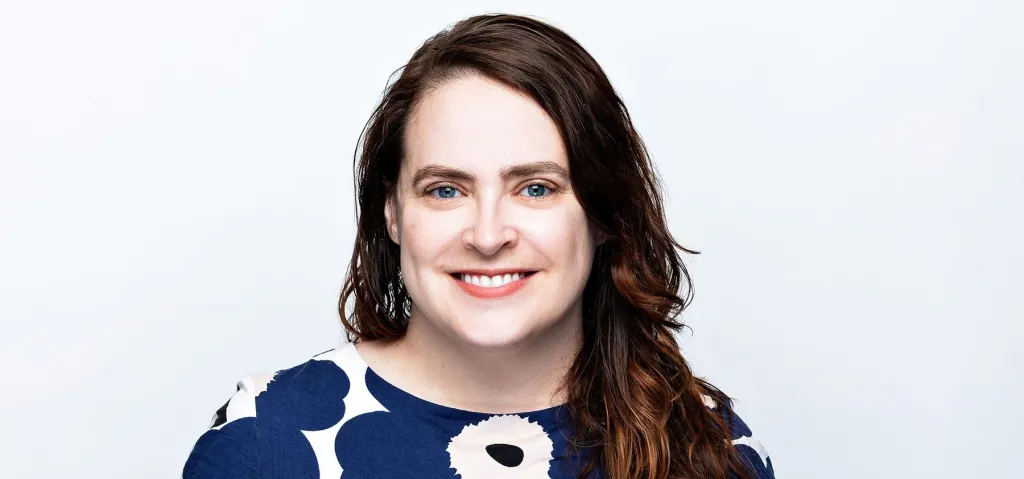
Leslie Anderson is the Bruce A. Beal Executive Director of the Rollins Museum of Art in Winter Park.
Read more Best Tea Infuser