
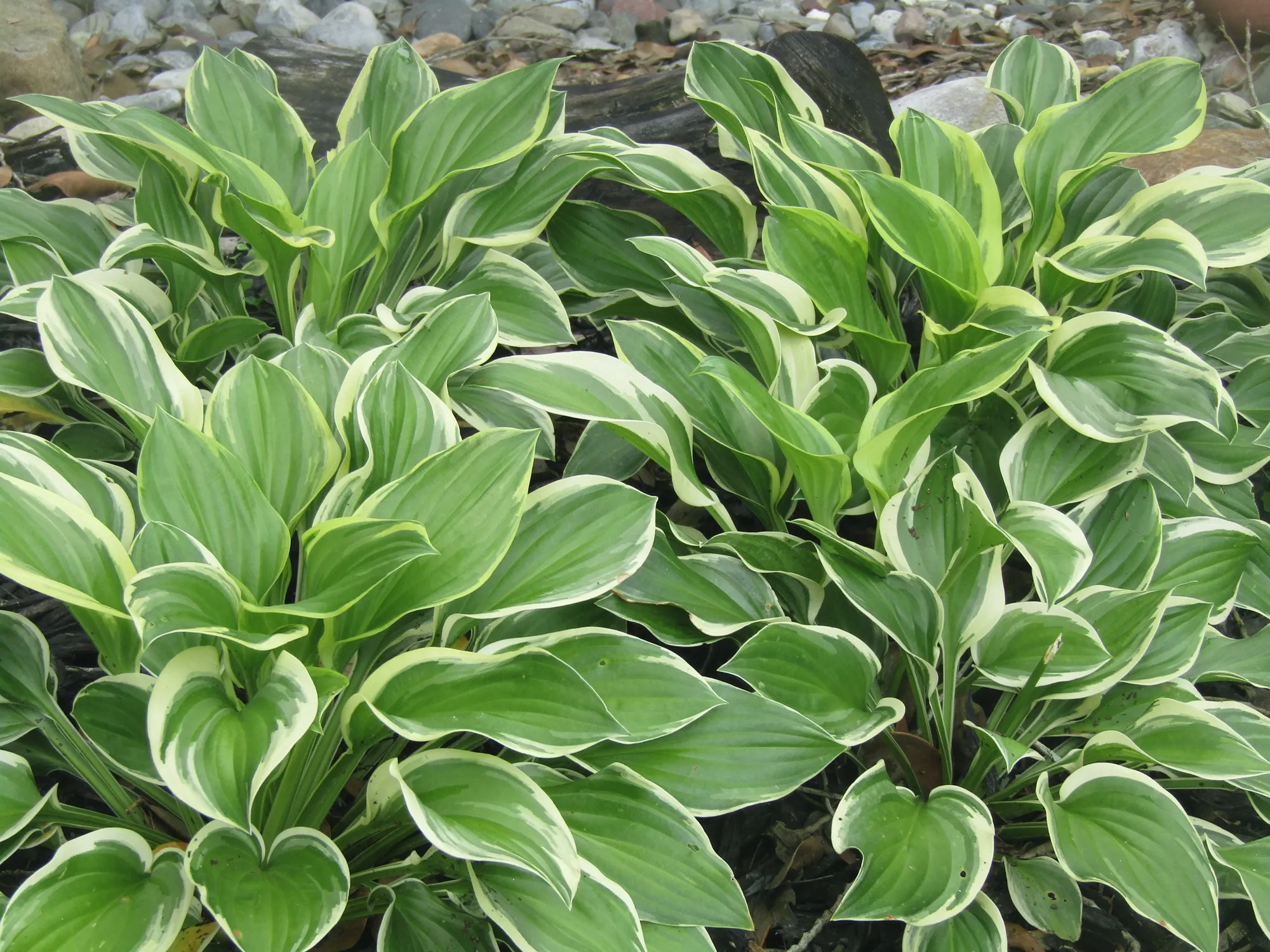
Q: In the front of my house I have an area where there is little to no direct sunlight. I know hostas thrive well in this type of environment. Unfortunately, I cannot find any in the Orlando area. Can you help?
Read more Level up with the best ping-pong paddles
A: If you can be happy with one selection, there may be a hosta for your landscape. Variety SunHosta was developed in Florida and can take the heat and humidity. It also tolerates sunny locations, but seems to prefer sun in the morning and filtered shade in the afternoon. Leaves are variegated yellow, white and green. Plants reportedly can grow to 2 feet tall and 3 feet wide, but ones I have seen are much smaller. Since the hosta list is limited due to statewide growing conditions, you might select other plants with good leaf color. Peacock ginger has attractive foliage and similar growth habits to hostas. Leaves can be deep green to spotted and variegated. Small pink to purplish flowers are produced. Other hostalike plants suited to Florida include caladiums and Amazon lilies. All prefer filtered sun to shade.
Q: The leaves and trunks of my magnolia are covered with gray to brown spots up to an inch or more in diameter? What should I do for the tree?
A: Perhaps it might be best to just enjoy the decorations on the foliage and trunks produced by lichens. These are harmless plant relatives consisting of an algae and fungus growing together. Even though it may look serious, you do not have to apply a treatment. Lichens are normally found on older shaded leaves that drop from the trees during spring. Ones on the trunks remain but are harmless. If you are really concerned about lichen growth, or don’t like the look, a copper-containing fungicide labeled for trees or ornamentals can be applied following label instructions. This treatment should prevent further lichen growth and cause old ones to decline.
Q: I used to have several kumquat trees of various kinds in my yard a few years ago. Regretfully I lost them all to greening. What are the chances of a new one surviving in this day and time?
A: Not that long ago horticulturists were suggesting residents resist planting citrus trees. Opinions now seem to be changing with the development of greening-tolerant varieties. Note that these are tolerant, but not considered resistant. This means the new varieties can exist and produce fruits with the disease. No kumquat is on the greening-tolerant list at this time. There are several oranges, mandarins, a lemon and finger lime. Maybe one of these could be substituted for the citrus you miss. All will need more care than most required in the past. Sprays to control Asian psyllids are needed, along with minor nutrient and traditional fertilizer applications. Lists of greening-tolerant citrus trees and sources can be found by searching on the internet.
Plant Doctor: Help! A quick-growing vine with yellow flowers is taking over my shrubbery
Q: A few months ago I planted a flowering azalea. It’s now starting to flower again, however, I’ve noticed black spots on some of the leaves. Does it need a soil supplement?
Read more Broadway’s Megan Hilty will headline Renaissance Theatre bash
A: Summer through fall flowers are a welcome site on the newer azalea varieties — but not the dark spots. Normally these spots are produced by a fungus that flourishes during hot, damp and humid weather. Sometimes it’s best to anticipate the leaf spot disease and apply a fungicide at the beginning of summer, and every few weeks during the rainy season. Select a fungicide labeled for leaf spots on ornamentals and follow the label. Applying a fungicide now may help prevent new leaves from being affected, but older one are likely to yellow and drop due to the fungus.
Q: Our yard is ready for sod. Should we install the new grass during summer or wait until fall?
A: Landscape maintenance companies install sod year-round, but summer is the toughest time. Sometimes new turf may be hard to obtain due to flooded sod fields. Also, newly installed sod can be easily overwatered or saturated by rains. If you have a sunny and well-drained site, install the sod when it becomes available. If you have shady sites, or growing conditions that are not ideal, wait until the drier months of fall or spring. Do apply a lawn fungicide shortly after sodding, and repeat about two weeks later following label instructions.
Are you a Central Florida gardener? Here’s your to-do list heading into August
Q: My plantings of zinnias have died. When is the next time to make a planting?
A: Start your new zinnia plantings now. Seeds can be sown in the ground or containers to transplant to the garden or grow in planters. Zinnias do not mind the heat and grow March through November. During the summer rainy season plants may be affected by fungal leaf spots and mildew. Some disease-resistant varieties are available and you can apply fungicides if needed.
Q: We are installing a new annual flower planting. What is the best mulch to help control the weeds and how thick should we apply it?
A: Use mulches with small particle sizes. Many gardeners like to apply the pine bark fines. This is a ground up form of the traditional pine bark mulch. It is attractive and has a nice fragrance, too. Another suitable mulch is coarse compost. This would be compost not quite fully decomposed, with portions that are reasonably small. Add about 1 inch of these mulches or similar products, and keep an inch or two from the base of annual flowers. Too thick a mulch layer can cause these normally smaller plants to remain wet and rot.
Tom MacCubbin is an urban horticulturist emeritus with the University of Florida Cooperative Extension Service. Write him: Orlando Sentinel, P.O. Box 2833, Orlando, FL. 32802. Email: [email protected]
Read more Which Weber Flavorizer Bars Should I Buy