
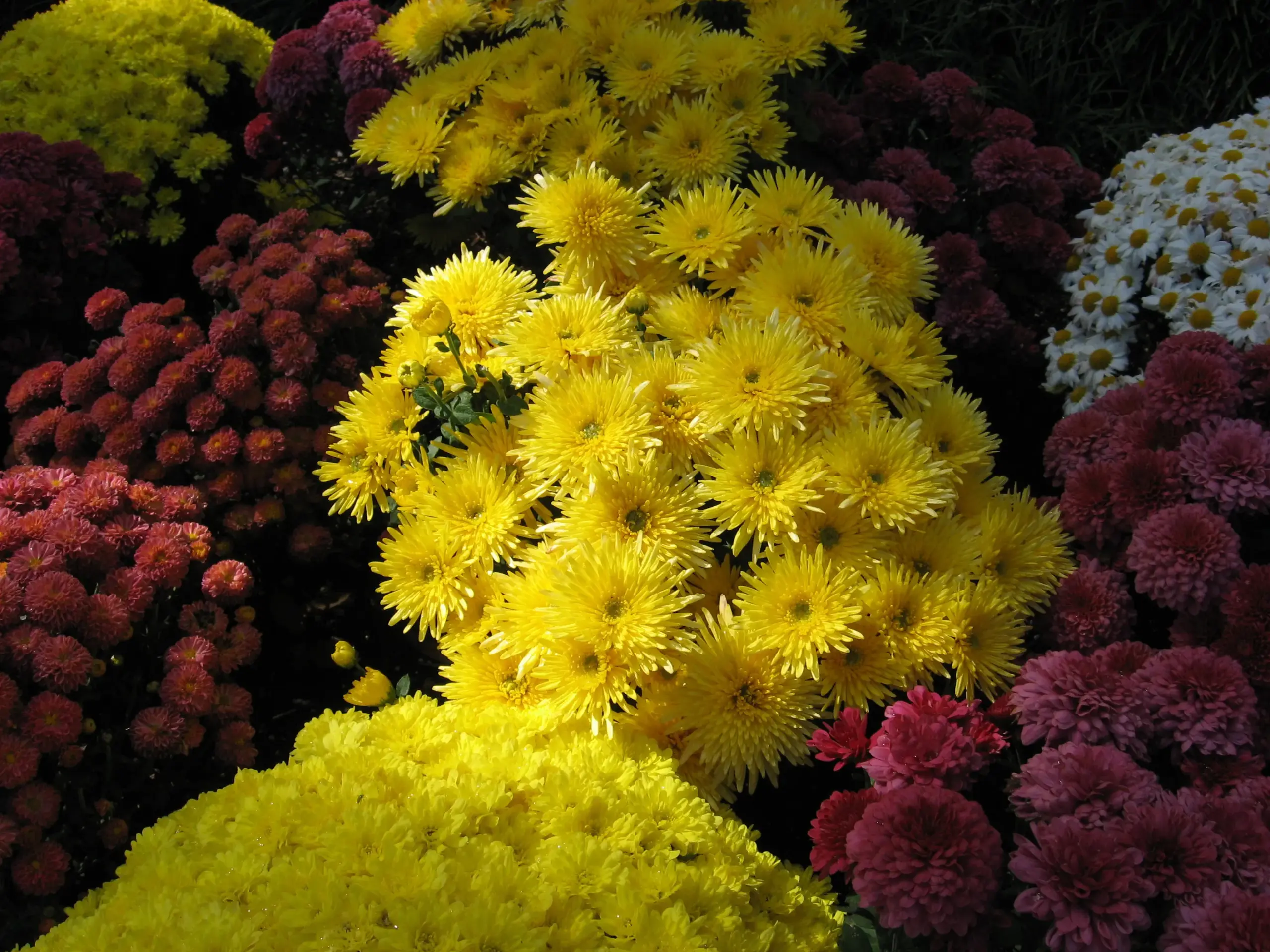
Q: We have purchased several mums for use outdoors. How long will they last and what care is needed?
Read more Brightline passenger traffic spiked in September amid financial overhaul, creditor takeover
A: Now is a great time to purchase mums — short for chrysanthemums. Gardeners can expect one to two months of great color thanks to the cooler temperatures. One of the secrets to purchasing mums is to obtain plants starting to open their buds. This adds several weeks to their display life. Keep your plants in filtered to full sun locations. Mums use lots of water, so feel the soil frequently and water when the surface starts to dry. When the flowers start to decline, remove the old blooms, cutting them back to within the plants. Fertilize and keep moist so your mums can give a repeat bloom during the winter and early spring months.
Q: I have a desert rose that developed white growths on its leaves. I washed the leaves and it immediately sprouted new growth but the white stuff returned and destroyed the new buds. What can I do?
A: Most likely your plant is home to mealybugs or similar scale insects. Your inquiry also mentioned using other home remedies. Regretfully these insects are persistent and may need other controls. Try using a neem oil spray or an insecticidal soap. You do have to hit the insects with the spray to be effective. Repeat the applications in about two weeks. If the insects return, obtain a traditional insecticide labeled for foliage plants and use as instructed.
Plant Doctor: Pruning shell ginger plants may lead to sporadic fall flower clusters
Q: I want to plant fruit trees in my back yard. Do you have any recommendations for trees?
A: Most fruit trees and shrubs can grow and produce good crops in local landscapes. Besides citrus, some cold-hardy types include apples, peaches, pears, pecans, grapes and figs. Cold sensitive, but productive for many years, are avocados, mangoes, star fruits and pineapples. Learn what is needed for good growth and care with information in bulletins from the University of Florida Extension Service. Some need a spray program to be productive and all need fertilizer. Citrus is still one of the good fruits for home landscapes, but obtain one of the new greening-tolerant varieties. Citrus is not the carefree fruit it used to be. Note the care which includes frequent feedings, minor nutrient sprays and insecticide applications.
Q: I have a loquat tree which is about 30 to 35 years old with something eating the leaves. The trunk also has a black covering. I’m writing to you for advice.
A: Regretfully the pictures included with your email showed a tree with a number of problems. The tree can tolerate the leaf-feeding insects, but it’s the declining trunk that’s going to be the problem. Black on the trunk is the result of major infected wounds. One area with an infection appears to be where the trunk and side branch meet. Another wound is in the trunk itself. These major areas of concern are only going to get worse. Have a certified arborist take a look to determine the total extent of the decline and possible care. Loquat trees the age of yours are susceptible to decline and may have to be replaced.
Read more Florida stuns No. 7 Texas as Gators silence critics and revive CFP hopes
Q: My Joseph’s coat is being infested with a white cottony substance and plants are dying. What should I do?
A: You can once again enjoy these plants with a coat of many colors after controlling the white cottony mealybugs. These piercing, sucking insects often slowly invade Joseph’s coat plantings to cause general decline of leaves and stems. Mealybugs can be beaten with repeated applications of an insecticidal soap or horticultural oil spray that coat the insects following label instructions. Another good way to control these pests is with a systemic insecticide found at garden centers for flowers and shrubs. These insecticides are absorbed into the foliage and control the insects as they feed when applied as directed.
Q: I have a grasslike weed growing in my lawn and flower beds. It seems to form a ground cover. What is a good control?
A: Your summer annual is basketgrass as noted from the email picture. It almost looks like a broadleaf weed to some, but it is a type of grass. In flower beds you can use a nonselective weed control product following label use around plants. The weed is also sensitive to baking soda, which some use as a home remedy. The baking soda is very lightly dusted on the weedy grass and it acts as a contact herbicide. Some also use this treatment in their lawns. Test the use of baking soda in small areas before making large applications. Basketgrass is going to decline in a month or two but has set lots of seeds. Seed growth can be prevented in lawns with a spring application of a preemergence lawn herbicide used for crabgrass control. Preemergence products are also available for use in shrub and flower beds. Follow label instructions carefully.
Q: I notice petunias are present, but pansies are missing, from your October planting suggestions. When can we enjoy these colorful flowers?
A: Wait just a little longer for the ever-popular pansies and viola relatives to arrive at garden centers. These flowers need the much-cooler weather that could arrive during November. If pansies do not have the more accommodating weather they grow lanky, develop diseases and decline. Even petunias grow thinner and longer stems with small blooms until the consistently cool weather arrives. Both of these plants won’t mind a frost and pansies withstand freezes. Regretfully, pansies only last until early March when the weather becomes too hot for their good growth, while petunias grow through May.
Tom MacCubbin is an urban horticulturist emeritus with the University of Florida Cooperative Extension Service. Write him: Orlando Sentinel, P.O. Box 2833, Orlando, FL. 32802. Email: [email protected]
Are you a Central Florida gardener? Here’s your to-do list heading into October