
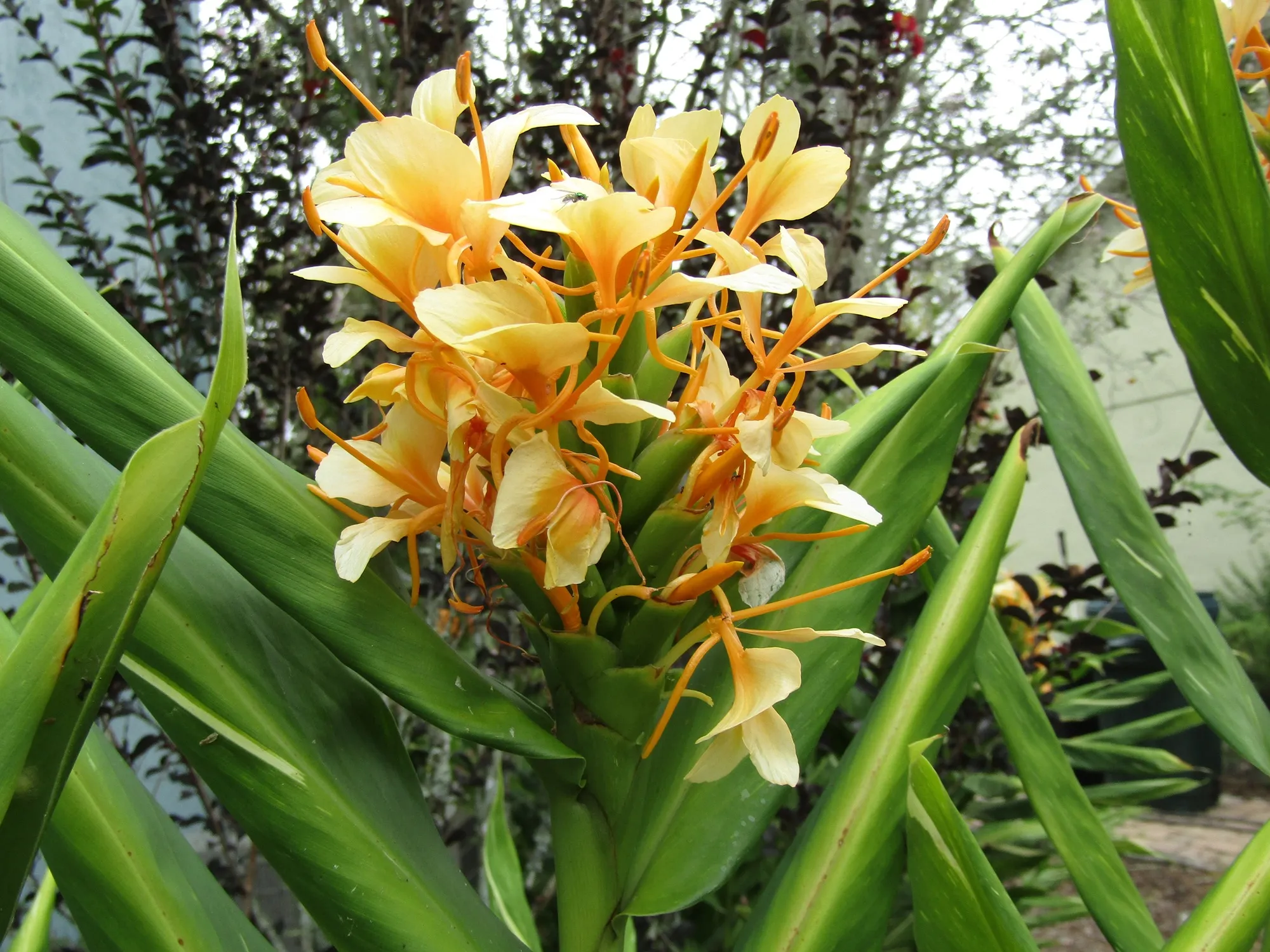
Q: I spotted fragrant orange flower clusters on tall shoots in a local yard. What is this flower and will it grow in my landscape?
Read more California district attorney’s e-bike buyback push may be first in nation
A: Enjoy lots of short-lived color from ginger lilies during the summer months. Most popular is the white ginger lily, but you noticed an orange variety. Yellow and reddish selections are also available. Gardeners enjoy the blooms within the cluster that only last a day, but there are plenty of new buds to open. The blossoms are fragrant, and if you crush the leaves, you release a gingerlike fragrance. This is a distant relative of the common edible ginger, that is reportedly edible too, but not very tasty. Check to make sure you have the right plant before giving it a taste test. Ginger lilies grow in full sun to partial shade. They need a moist soil and can grow under very wet conditions. Plants die down during the winter but grow back in spring. Apply a slow-release garden fertilizer in March and May to encourage growth and blossoms. Plants are vigorous and may need containment to remain in bounds.
Q: We harvested a pineapple and noticed shoots growing from the base of the portion still in the ground. Will these grow new plants?
A: More pineapples are on the way in as little as a year. Each of the new shoots can produce another fruit. Leave them on the old plant or remove one or more to start a new pineapple patch. Getting the shoots to grow can be as simple as removing them when 6- to 8-inches long and rooting in the ground, or containers of potting soil, in a shady to filtered-sun site. Keep the new plants moist, and fertilize monthly March through October. When well rooted grow the new plants in a full sun location for best production.
Plant Doctor: Hoping for hostas in your garden? Options are limited, but other plants offer colorful leaves
Q: My bromeliads with red centers of foliage have produced offshoots. They are remaining green. Will they too turn red and can they be thinned out?
A: Great color can be provided by the center foliage cluster from Neoregelia bromeliads growing in home landscapes. Plants have to be mature and about ready to flower when the central leaves turn varying shades of red. Don’t worry, the offshoots are going to mature in about a year to gradually replace those of the parent plants. If needed, the new growths can be thinned out to allow more room for new ones to grow. Allow the shoots to grow about 6- to 8-inches tall and remove them with a few roots at their base to form new plants in containers. When a good size they can be added to the landscape, but need protection from freezing weather. Wear long-sleeve gloves when working with these plants — they can have thorny edges.
Q: Our poinsettias left from Christmas in containers are doing great. What care is needed until they bloom again?
A: Keep up whatever you are doing, as I do not want you to mess with success. But if you are not fertilizing, apply a slow-release granule at the container rate to the surface of the soil. August is the last month to do needed pruning. Increase the number of stems with colorful bracts by cutting all the ends of the plants back 4 to 6 inches. Give your plants a slightly larger container if they are in the ones from Christmas. Maintain a moist soil, and starting in October, keep them out of nighttime light so you’ll have colorful plants for the holidays.
Read more Federal officials announce water cuts as Colorado River supplies continue to plunge
Q: We are planning to plant a small fall garden. What are the easiest vegetables to grow in a 100-square-foot space?
A: Start your gardening adventure in August or September with tomatoes, peppers and bush-type snap beans. Contain the tomatoes in wire cages or train them to trellises. Peppers are also best contained or staked. These crops have fewer pests, or where needed, they can be picked off or treated with natural insecticides. Actually, first-time gardens often totally escape pests. Avoid vining or large bushy crops like squash, cucumbers and melons. Some more-compact selections of these do exist, and might be considered, but they have more pests.
Q: A shiny upright weed is growing in my lawn. It forms what appears to be yellow-green flower clusters on a short shoot. Is there a control for this weed?
A: Shiny, upright and growing like a weed is the globe yellow sedge. Actually I guess this is a weed if it’s growing in your lawn. There are a number of sedges, some of which are called nut sedges, flourishing during the wet summer weather in Florida lawns. Many look like the turf and residents believe they are not controllable. But sedges can be eliminated from Florida lawns with herbicides available at garden centers. Do select a product labeled specifically for sedge or nut sedge control in your lawn type. Most products are slow to eliminate these weeds but they should start to disappear in about two to three weeks.
Q: Pepper plants growing in containers are a yellow green in color. I fertilized at planting. Do they need more fertilizer?
A: One fertilizer application is never enough to grow peppers in containers or in the ground. If using a traditional liquid or similar quickly available fertilizer, an every other week application may be needed. Make the fertilizing easier by applying a slow release product following container instructions that can feed your pepper plants for several months. Plants in the ground need similar fertilizer applications.
Tom MacCubbin is an urban horticulturist emeritus with the University of Florida Cooperative Extension Service. Write him: Orlando Sentinel, P.O. Box 2833, Orlando, FL. 32802. Email: [email protected]
Read more TikTok reaches $400 million settlement with US Justice Department over children’s privacy
Are you a Central Florida gardener? Here’s your to-do list heading into August