
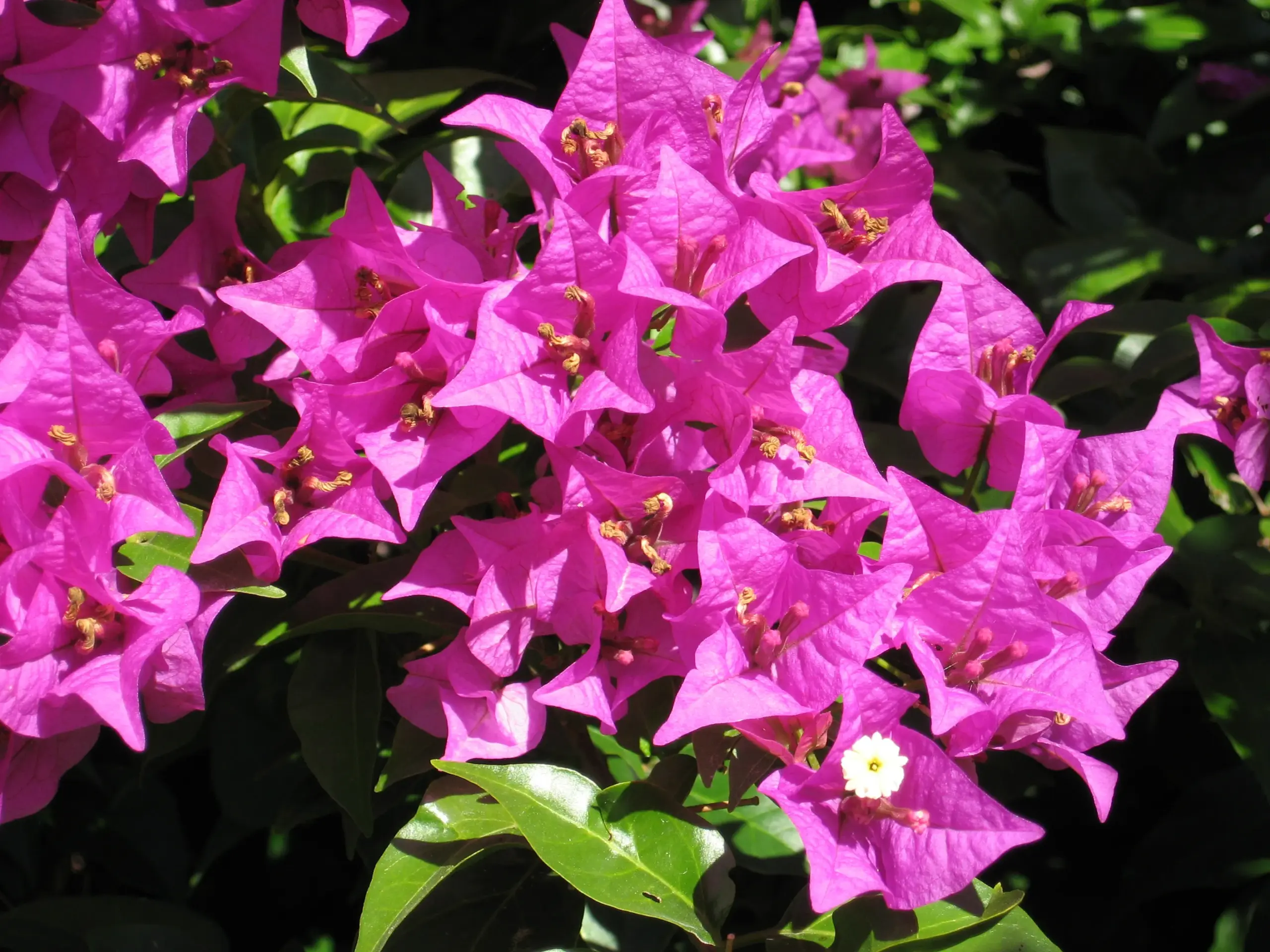
Q: I have an old bougainvillea that died back during the recent freeze, then came back with a vengeance, but there are no signs of flowers. I noticed the new leaves are much bigger, so I have been trimming it back. Very frustrating.
Read more Orlando Pride hosts Utah, set to build on last week’s important win
A: Even though you have an older bougainvillea, it’s now going through a juvenile stage after the freeze. Lots of new growth and even-larger-than-normal leaves indicate the plant is healthy, but interested in producing shoots and not flowers. This is normal and may continue for a year or more. Try not to do excessive pruning, as the trimming keeps the bougainvillea producing new growths and not blooms. Keep feedings to once or twice a year using a slow-release fertilizer. Reducing waterings to only during dry times also helps slow growth and encourage flowers.
Q: Bromeliads were doing well in my front yard where the freeze killed a mango tree that gave them shade. Now they are in decline. I am thinking of adding perennials to this spot. Any suggestions?
A: Regretfully most bromeliads don’t like a full sun exposure. Your email photo showed red torch bromeliads with a light green color and sunscald. This is normal in full sun, but devastating to this selection. A sun screen would have to be created over the plants to make them healthy again. So it may be best to move them to a better location and fill the voids with perennials or small shrubs. Plants that may do well in this location include African iris, bird of paradise, blackberry lily, blue daze, bush daisy, firecracker plant, lantana, pentas shrimp plants and yellow alder. Some colorful small shrubs like dwarf firebush might also be selected.
Plant Doctor: Ginger lilies provide colorful clusters, but flowers don’t last long
Q: A cottony white substance growing on someone’s hibiscus plant, as discussed in one of your recent columns, is now growing on my jasmine vines. It has been sprayed four times, but no control. What should I do?
A: Gardeners have been dealing with mealybugs this summer, as the pests suck juices from house and landscape plants. These insects with a waxy coating are difficult for insecticides to control. If you are applying natural or traditional contact insecticides, the sprays must hit the mealybug and their egg masses. This means spraying under leaves, along stems and in the terminal growths. Several sprays of insecticidal soaps, horticultural oils and similar products are normally needed a week or two apart to obtain control. An alternative control for mealybugs is use of a systemic insecticide available from garden centers to apply to plant foliage or to the soil following label instructions. These insecticides are absorbed into the plants and control the mealybugs as they feed.
Q: I have a shady area that needs a hedge to screen my property from the neighbors. What type of shrubs can I plant?
Read more Jon Sumrall, Urban Meyer find kindred spirits as fellow Florida coaches
A: Only a few shrubs really flourish in the shade. One of the most durable is anise. Several types are available for local planting and all have goods shade tolerance. One selection known as star anise with greenish-yellow flowers appears to grow best in the heavier shade. Other shrubs that might be considered for filtered shade are camellias, azaleas, crotons and the dwarf schefflera. Schefflera variety Trinette has variegated foliage and is being used in both sun and shade. Camellias and azaleas tolerate all but dense shade but flower best with filtered sun.
Q: My bird of paradise froze back last winter but has revived. Will it bloom in the container where it has been growing? What should I feed it to get it to bloom?
A: Keeping your bird of paradise in its original container can encourage blooms as they like to be a little pot bound. The plants need to reach a certain stage of maturity before they start to send up attractive orange flowers. There does come a time when the plants become too cramped and need a new container. If the root system appears overly potbound, it’s time to give it a new container that’s an inch or two larger in diameter. Occasional feedings can help bird of paradise produce blooms. Obtain a slow-release product made for container plants and apply two to three times a year. Too much, or frequent feedings, can delay flowering by encouraging growth. After freeze damage, many months of growth may be needed before the plant is again in flowering mode.
Q: Some leaves on our crape myrtle trees are turning yellow to orange and dropping. What should I do to help the trees?
A: Even though it’s not fall yet, some crape myrtles may give the appearance of what occurs in a few months. Most crape myrtle leaf loss is weather or nutrient related. Sometimes moisture extremes stress the tree and leaf loss occurs, but new growth normally follows, and the trees again have the good green look. Crape myrtles may run out of nutrients by midsummer. These shrubs and tree forms can be heavy feeders. Where permitted, fertilizer is recommended in March, May and August using a slow-release product. If fertilizer applications are restricted during summer, make sure you apply a product that can release nutrients over a four- to six-month period at the end of May. Sometimes crape myrtles have a fungal leaf spot problem during summer. This is normally ignored, but fungicides to help control the spotting are available at local garden centers following label instructions.
Tom MacCubbin is an urban horticulturist emeritus with the University of Florida Cooperative Extension Service. Write him: Orlando Sentinel, P.O. Box 2833, Orlando, FL. 32802. Email: [email protected]
Read more Many Florida kids aren’t ‘ready’ for kindergarten, businesses should help, chamber says