
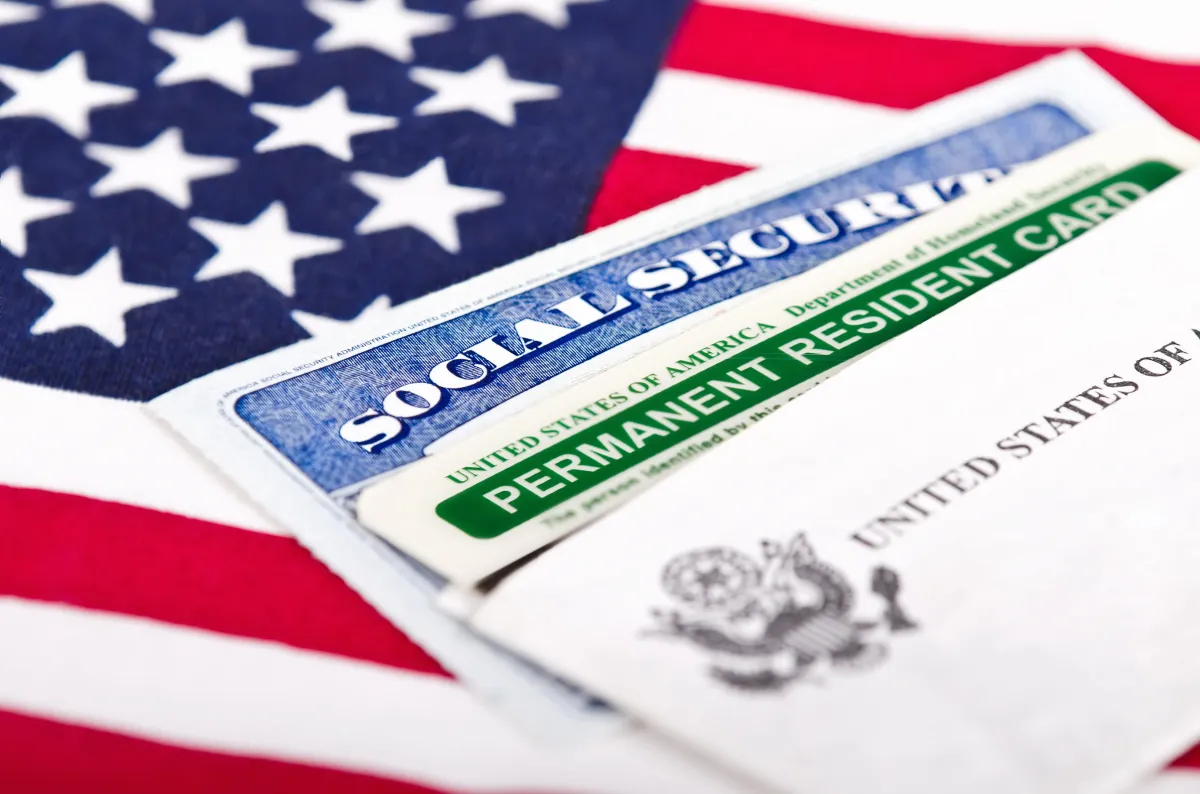
Donald Trump’s ever-cruel administration is wrongly trying to put up even more roadblocks to block legal immigrants from getting green cards and a coalition of states and cities, led by New York in the persons of Attorney General Tish James and New York City Mayor Zohran Mamdani, is correctly fighting back. Florida cities and counties where this cruel provision could lock tens of thousands of families into desperate poverty should join their battle.
Read more Waterlin developer will jump-start new Turnpike interchange in Osceola
The change is to the so-called “public charge” rule, which expands a standing immigration law that was intended to restrict immigrants from getting permanent resident status if they have become reliant on public assistance programs like food stamps Medicaid and housing assistance. The U.S. Citizenship and Immigration Services, part of the Department of Homeland Security, has proposed a change in the public charge rule, effective last week, that gives immigration officials much more latitude in determining what can be considered a “public charge,” including (potentially) benefits including public-school education and food assistance that are provided to American-born children and other American citizens living in their households. Under the proposed rule, immigration authorities could use that information to deny permanent resident status to an otherwise deserving immigrant. A 2018 analysis shared by the Florida Policy Institute predicted that the state could lose as much as $400 million in federal funding under the new parameters.
In a group of lawsuits filed in Manhattan federal court last week, including one by states and the other by cities, New York State and New York City and their partners are asking independent judges to say no. It’s too much of a stretch to expect Gov. Ron DeSantis to sign on, but cities like Orlando, Gainesville and Tallahassee should seriously consider joining.
The use of public charge determinations is not a new phenomenon; in fact, it has been part of U.S. laws since before the U.S. existed as an independent country.
What’s different here is that the administration wants to expand this analysis beyond its original purpose as a tool to determine if someone was likely to become fully dependent on the government to whether they are subjectively likely, at some point in the future, to end up using the same public benefits that all Americans are entitled to anyway. It’s an impossible standard that requires, in part, proving a negative.
James and Mamdani are right that this policy would cost taxpayers billions in lost federal funding, which we would inevitably have to help make up. Beyond the monetary cost, it will cost our community dearly as fear drives people from programs that they need, whether or not the rule actually goes into effect in its current form.
Read more With the world’s leaders waiting, Trump meets with Mamdani
As some public officials and commentators have noted, the change does not actually have to take effect to have a widespread impact. Research has already established that Trump’s 2019 attempt at a similar rule kept people from utilizing services they were legally entitled to, or even from enrolling U.S. citizen children, whether or not it would actually have an effect on their status.
You can’t expect people to independently research and understand the exact delimitations of a policy like this and how they and their families do or do not fit in it. People will hear “the government will deport you for using public benefits” and they’ll act on that information, even when it’s wrong or incomplete or the benefits at issue are not germane at all. Make no mistake that this is intentional fear-mongering coming from the White House, which will keep New Yorkers away from even our own state and local services.
Yet again, it will be up to a federal judge whether Trump gets to enact policy by capricious decree like a king of yore. Fortunately, most judges, whoever they’ve been appointed by and however long they’ve served, still seem to have a concrete interest in upholding the law.
For now, everything is banking on the judges to do their job and strike this rule down. Longer-term, it will be up to Congress to take this tool away from overzealous presidents.
This editorial is adapted from one that originally appeared in the New York Daily News. The Orlando Sentinel sometimes publishes editorials that agree with our own positions. The Orlando Sentinel Editorial Board includes Executive Editor Roger Simmons, Opinion Editor Krys Fluker and Viewpoints Editor Jay Reddick. Send letters to [email protected].
Read more Republican who oversees South Dakota’s elections endorses a Democrat in the race to succeed her