
Downtown Orlando is growing. The question is not whether we should continue to grow — it is what kind of downtown we want to create.
Read more Extreme overcrowding and abuse plague Orlando, South Florida ICE facilities, whistleblowers say
For years, Orlando has talked about becoming a world-class city. We have invested in new buildings, entertainment, restaurants, infrastructure and public spaces. But growth alone does not create identity.
Walk through other major cities and you can often immediately recognize what makes their downtowns different — the architecture, the historic character, the streetscapes, the businesses, the culture and the way people experience the space.
Orlando has pieces of that story, but we have an opportunity to be much more intentional about understanding how those pieces fit together. That is why I believe the historic moratorium deserves thoughtful understanding.
This is not about stopping development. It is about giving Orlando the opportunity to better understand what we already have, what we value and what we want to carry forward before making permanent decisions about buildings and places that cannot easily be recreated.
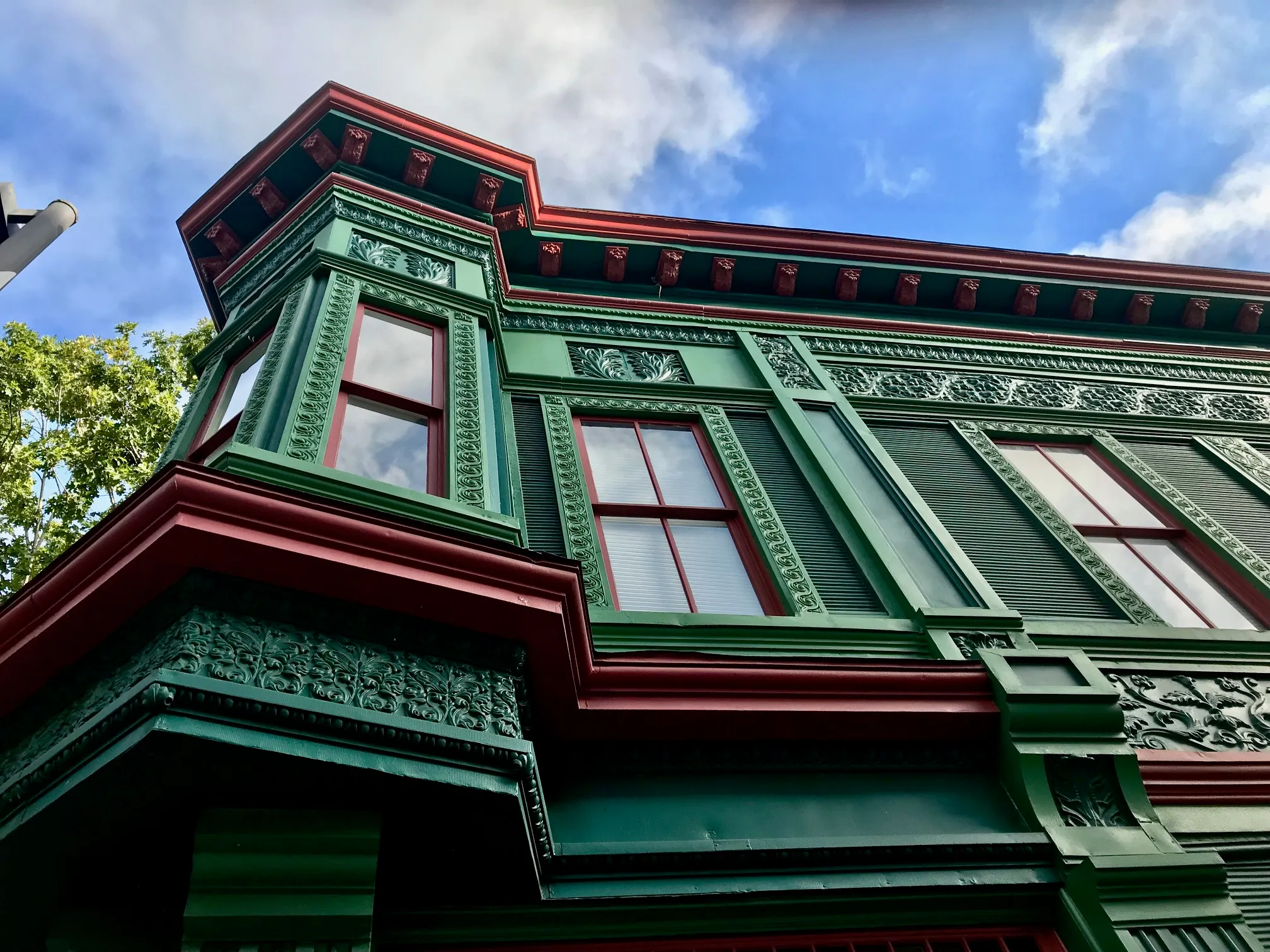
Our Downtown Historic District was established in 1980 and includes approximately 80 structures dating from the 1880s through the early 1940s. Those buildings tell the story of how Orlando developed from a small Central Florida community into the city we know today.
But preservation should not mean putting downtown in a time capsule. We should seek a thoughtful understanding of what makes Orlando unique while creating room for new ideas, new businesses, new residents and new experiences.
The current 36-month change in the review process gives us an opportunity to do exactly that. Rather than viewing this period simply as a regulatory change, we should use it as a window to better understand downtown’s history, character and potential — and to develop a clear vision for the future. That vision should balance historic preservation, economic development, housing, culture, entertainment, public safety and a vibrant pedestrian experience.
Read more Commentary: Animals are our friends, but not like that | Pat Beall
We are already seeing pieces of that vision take shape. The transformation of Church Street into a festival street is intended to create a more pedestrian-focused destination along one of downtown’s most historically and culturally significant corridors. Now we need to connect those investments to a larger understanding of who we are as a city.
What should someone feel when they arrive in downtown Orlando?
What should make a visitor say, “I could only experience this in Orlando”?
And what should make the people who live here feel that downtown belongs to them, too?
Those are bigger questions than whether one building should be preserved or one project should move forward. They are questions about legacy.
The moratorium gives us time to have that conversation. We should use it — not to resist change, but to better understand the character of our city and make sure the change we embrace strengthens it.
Orlando does not need to become another city. This is our opportunity to understand what makes Orlando, Orlando.
And if we are going to build a downtown identity that lasts for generations, now is the time to understand it, protect it and create it.
Read more Letters: Congress’ lucrative break | The cruelest state | Youngsters, be more practical
Shan Rose is an Orlando City Commissioner representing District 5.