
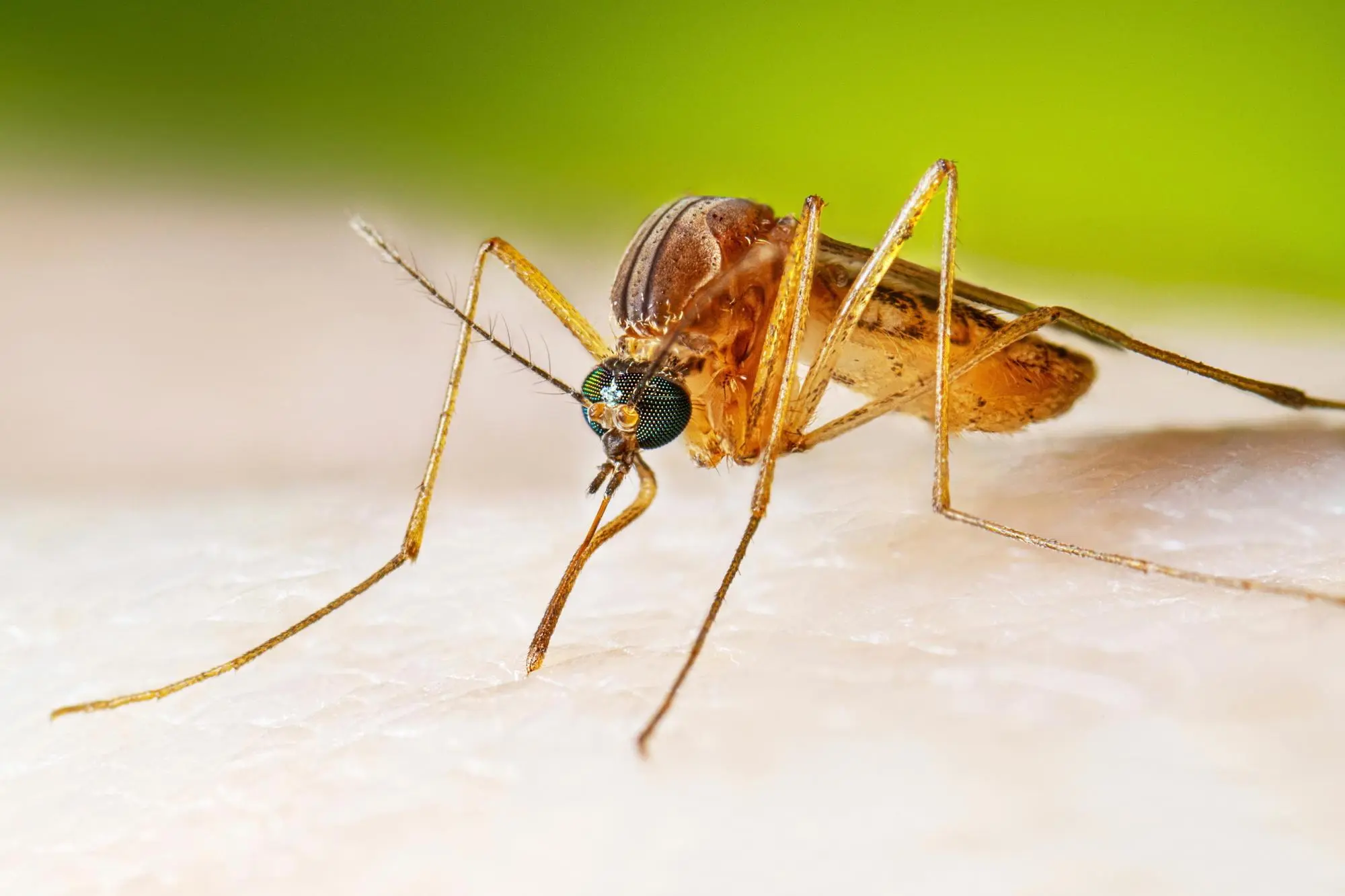
The Florida Department of Health in Orange County said Monday it has confirmed two new human cases of locally acquired dengue fever in the Apopka area and is advising residents to take precautions to avoid being bitten by mosquitoes.
Read more Predawn sonic booms possible as SpaceX ready for launch early Tuesday
The new cases bring Orange County’s total since the beginning of September to five. The first case, in Pine Hills, was announced by officials Sept. 2. The second and third cases, also in the Apopka area, was announced Sept. 18 and caused the state to issue a Mosquito-borne Illness Alert.
Orange County Mosquito Control will conduct aerial spraying in Apopka and Pine Hills over the next two to three weeks to kill the Aedes aegypti mosquito species, which is “the known carrier of Dengue” in Florida. The spraying is expected to reduce the targeted mosquito population by 99%, officials said.
Steve Harrison, manager of Orange County Mosquito Control, urged residents Monday to take steps to prevent the further spread of the disease.
“It is very important for residents to ensure that there is no standing water on their property. We encourage residents to walk around their yards after a storm and drain any standing water,” he said, “toss out anything that could hold water, and protect yourself with long sleeves, pants, and EPA-approved mosquito repellent.”
Read more Man stabbed victim with his own knife in downtown Orlando fight, cops say
Dengue can present as a flu-like illness with severe muscle aches and joint pain, fever, and sometimes a rash. Usually, there are no respiratory symptoms. Symptoms of dengue will appear within 15 days after being bitten by an infected mosquito. It is not contagious, officials said.
Residents will be notified at least 48 hours before the aerial spraying.
Florida is suffering a statewide outbreak of the disease, with the Tampa Bay area alone seeing 282 confirmed cases this year, mostly in Hillsborough County. Overall, it’s the most cases in a calendar year for any state since at least the 1940s.
For decades, most continental U.S. infections were found among people who caught the virus while traveling internationally, along with locally acquired cases in Puerto Rico. But experts say the Aedes aegypti mosquito had been expanding its geographic reach because of climate change.
Read more Weezer gathers generations of fans together at rocking Orlando show | Review
The Associated Press contributed to this report.