
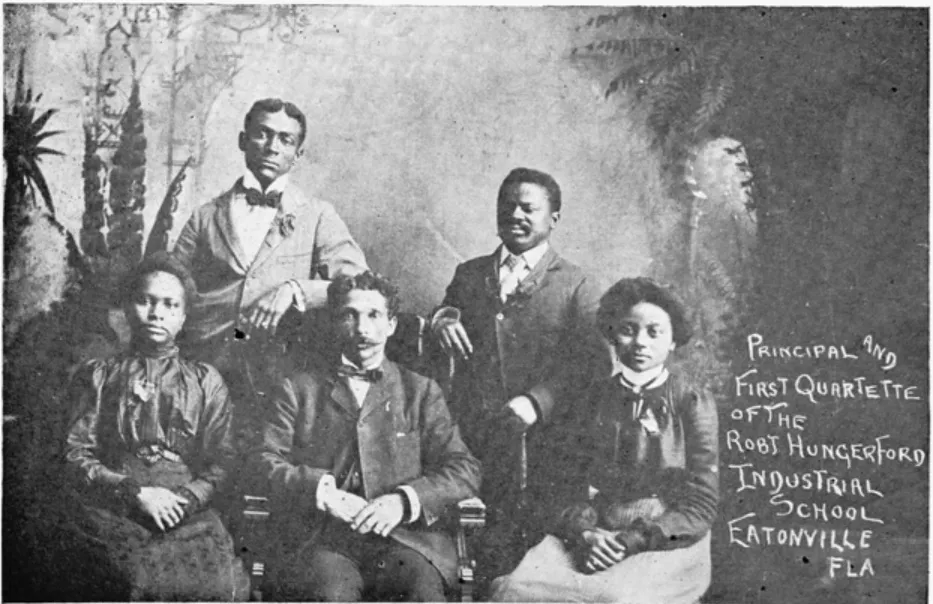
When I look at Historic Eatonville, I do not just see land or another construction project. I see American history.
Read more Letters: Can GOP think for itself? | Schools, teach bike safety | Return of Jim Crow
This conversation is not about blaming people today for the sins of the past. It is about understanding where we have been, where we are going, and what we choose to preserve so history is never repeated through greed, ignorance or silence.
I often hear successful Black Americans say things like: “We made something of ourselves. My mother worked hard. My father worked hard. We stayed out of jail. We stayed away from drugs.” Those words matter because, for many families, overcoming barriers was part of the struggle itself.
I have also been blessed with many successful white friends, and many of their stories sound different. College, stability, and opportunity were often expected as part of the path forward. That does not mean they did not work hard — they absolutely did. But history shaped opportunities differently for different communities.
That is why Eatonville matters.
Historic Eatonville — the first incorporated Black municipality in America — represented hope. It became proof that formerly enslaved people could own land, govern themselves, build churches, schools, businesses and community. What happened here mattered far beyond Central Florida. Eatonville gave people across America a vision: “If Eatonville can do it, maybe we can too.”
Everything above ground in Historic Eatonville carries a deeper story underneath it spiritually, culturally, historically and archaeologically. These grounds are sacred because they represent perseverance, faith, sacrifice and progress. Preserving that story is not about division. It is about education, healing and stewardship.
Dr. Phillips Charities outlines plans for Hungerford property to Eatonville leaders
Most people today would say, “I did not create segregation” or “I did not own slaves.” That may be true. But history still happened. Preserving it gives future generations a reference point so we never repeat those mistakes again.
Read more Teen charged with killing stepsister on Carnival Cruise could be jailed until trial
Because if we erase history, we risk repeating it.
Eatonville will not be preserved by Black people alone. It will take decent people of every race, every background, and every political belief coming together and saying, “Enough is enough.”
Enough treating Historic Eatonville like disposable land. Enough making decisions without the people. Enough ignoring culture, heritage, and sacred history. Let Eatonville help shape Eatonville’s future.
Let us build something centered around culture, education, tourism, the arts and community pride — not just another development opportunity tied to property values and ZIP codes.
We have seen what vision can accomplish in places like the Packing District and Lake Nona. Imagine what could happen if that same level of respect and investment was applied to Historic Eatonville while honoring the people and history already rooted there.
Historic Eatonville is not asking to be saved out of sympathy. It deserves to be preserved because it is significant American history. The question before us is simple: Will we become good stewards of this sacred ground, or will we allow short-term thinking to erase a story that still has the power to teach, inspire, and unite people today?
I believe we are better together. In 1887, Black Eatonville and white Maitland chose cooperation, self-governance and mutual respect by helping establish Historic Eatonville’s future. That spirit of stewardship and partnership still matters today.
And I believe Eatonville’s greatest chapter may still be ahead.
John W. Beacham is a community historian and the founder of Preserve the History of Maitland & Eatonville.
Read more 4 things to consider when buying a balloon arch kit