
They’re back!
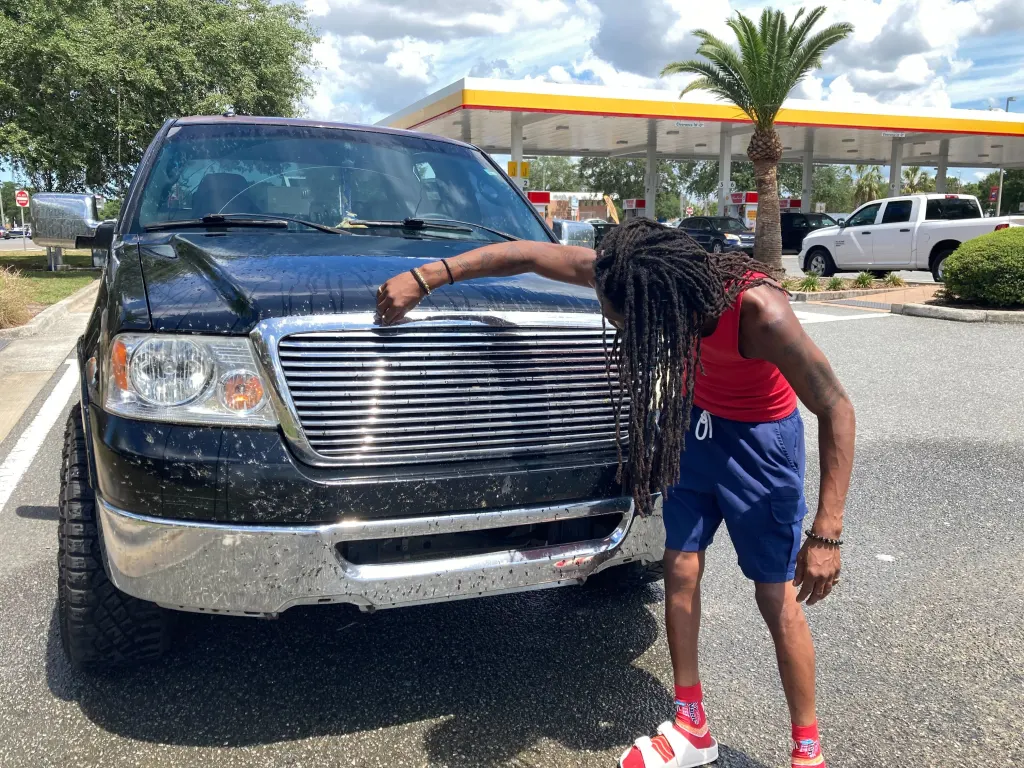
Lovebugs — the annoying, gooey black insects that splatter on your car’s windshield and grille while in an amorous embrace — have returned in mass numbers this month after recent concerns by experts that the bugs may have been headed for extinction.
Read more Hurricane season 2026: Hurricane Irma changed how Florida nursing homes prepare for storms
“Their swarms have definitely been thicker than last year. I was surprised, because they’ve been declining,” said Norman Leppla, a professor and program director of the entomology and nematology department at the University of Florida’s Institute for Food and Agricultural Sciences.
“This year, they’ve blossomed,” Leppla added with a quick laugh.
Considered one of the top experts on lovebugs, Leppla has been studying the flying insects for 54 years after moving to Florida in 1972 at the start of his career, seeing his first lovebug and wondering: “What do they do?” Leppla even wrote an often-referenced research paper titled “Living with Lovebugs.”
There were so few sightings of lovebugs in 2023 that Leppla and other entomologists received calls from the public asking where the irksome little critters went. He and other experts cannot explain why lovebugs declined in recent years — or why they gained in numbers this season.
But no one doubts they have. And some of the best evidence of the lovebugs’ comeback came last week at the Turkey Lake Service Plaza on Florida’s Turnpike, where filthy, splattered cars and trucks queued up before the plaza’s automatic windshield washer.
“It was bad. It looked like it was raining,” said Eric Davis of his drive through Alachua County.
At the rest stop, en route from Alabama to Fort Lauderdale, he picked insect carcasses off the front of his pickup.
Meanwhile, Marcus Levy scrubbed back and forth vigorously with a sponge and squeegee to remove the squished lovebugs from his Camaro. Clearly, he was not happy.
“They’re a pain in the ass,” he said. Driving through them, he added, “was horrible.”
Leppla understands people’s frustration with the creatures but defends them, to a point.
“Lovebugs can be annoying, but they do not bite, sting, spread disease or stain clothes,” he said. “Basically, lovebugs are only a nuisance, not a dangerous pest.”
A note to slack-jawed motorcycle riders: Lovebugs are not poisonous if a few are swallowed.
Indigenous to Mexico and Central America, lovebugs moved to Florida in large numbers in the late 1960s. Outbreaks were more abundant in the 1970s than they are today.
Lovebugs — with slender bodies, long bent legs and a red thorax — are attracted to heat, shiny objects and automobile exhaust. That explains their swarms on highways.
Read more Disney World springs into summer with updates, upgrades
Also, females tend to confuse the smell of exhaust with decaying vegetation where they prefer to drop their eggs.
“They are fairly abundant in some areas, but not other areas. It varies year to year,” Leppla said. “Which is why when you drive along the interstate, you don’t hit swarms constantly.”
A female will lay between 300 and 350 eggs, usually in the spring and late summer. And the young insects will spend most of their life cycle — about 120 days in summer and 240 days in winter — as larvae hidden under vegetation, usually in open grassy areas.
By April and May, the winter bugs will transform into flying insects and begin to mate before dying in two or three days. Another mating season occurs in August and September.
During mating seasons, adult males will hover in large swarms searching for females. When a male finds one, the lovebug will swoop in and attach himself to her body. The enamored pair will then fly around, linked together, as they sip nectar from plants.
Eventually the couple will fall into vegetation and mate for several hours, according to Leppla. They will then get up the next morning and fly away separately.
Here’s the gross part: The white stuff on your car’s windshield after a lovebug splatter are actually the female’s eggs.
It’s important to get the dead bugs off your car’s paint within a day, according to Jesse Wallace, owner of Ultimate Mobile Detailing, in Tampa.
“They will cause damage,” she said. “It will remove the clear coat.”
She recommended drivers spray a ceramic-based wax on their vehicles, “which is slicker.” That will make cleaning the lovebugs easier. A wet clothes dryer sheet is a good implement to clean them off.
“Otherwise, they’re a bit difficult to remove,” Wallace said.
A myth that has frustrated Leppla: Nerdy scientists at the University of Florida genetically engineered lovebugs to kill mosquitoes.
Not true, Leppla said. Lovebugs are vegetarians who feed on pollen and nectar and lack the speed, the jaws and grasping legs to catch and slaughter a mosquito.
And despite the mess they make, they are not a pest Floridians should fret about, he said.
“Don’t worry about love bugs. Worry about mosquitos and insects that damage our crops,” he said. “Love bugs are part of nature, and they tell us when the seasons change.”
Read more Miss Manners: It’s a problem when his wife can hear our phone calls