
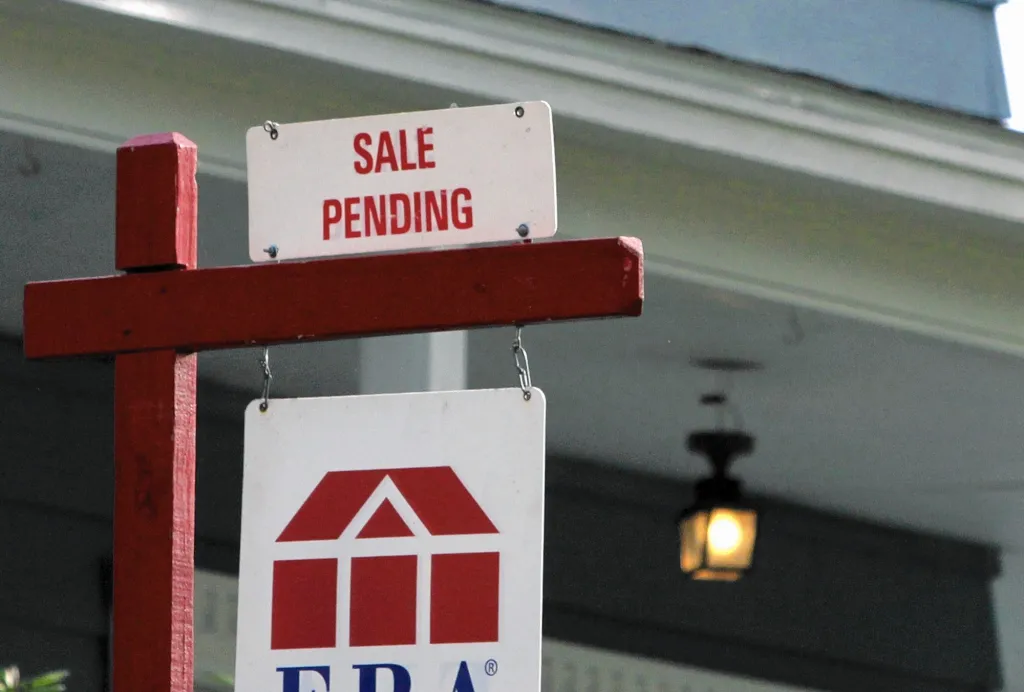
Q: We are selling our home, and the buyer’s appraisal just came back $30,000 below the price we agreed on. Now the buyer is demanding that we drop the price to match the appraisal. We priced the house fairly and had multiple offers. Do we have to give in? — Carol
Read more UF unveils $1.45 billion Swamp renovation, completion targeted for 2030
A: Few things deflate the excitement of an accepted offer faster than a low appraisal, especially when you know other buyers were willing to pay the same price.
The good news is that a low appraisal starts a negotiation. It does not automatically end your deal or set a new price.
Start by reading your contract. Most purchase agreements include an appraisal or financing contingency that clearly outlines what happens if the appraisal comes in low.
Most contracts allow the buyer to cancel and recover the deposit. Others allow the buyer to cancel only if the lender will not make the loan. I’ve seen a few that even require the seller to lower the price to match the appraisal.
The contract will control what happens next, and the wording matters because it shows who actually holds the leverage in this conversation.
Before you negotiate, request a copy of the appraisal report. Appraisers are human, and reports sometimes miss recent sales, use poor comparable sales or overlook upgrades.
Your real estate agent can compile a list of better comparable sales and ask the lender to reconsider the value.
Read more Pulse anniversary: Despite grief, family will be in Orlando. ‘We have to celebrate life.’
This step costs nothing and occasionally resolves the entire problem.
In the likely event the appraisal stands, you have several options.
The buyer can bring extra cash to closing to cover the gap, since the lender bases the loan amount on the appraised value rather than the contract price. Or the seller can lower the price to the appraised value.
Most often, the parties meet somewhere in the middle, with the seller giving a little and the buyer bringing a little more money to the table.
You can also refuse to budge, but understand the risk: if the buyer properly cancels under the contingency, your house goes back on the market, and the next buyer’s appraiser may reach the same number.
Think practically about the time, carrying costs, and uncertainty that relisting really costs you before you draw a hard line.
If the numbers are large or the contract language is unclear, have a local real estate attorney review it before you respond.
A low appraisal can feel personal, but it is just one opinion of value on a single day. Most of these deals still close, and with a level head and a little flexibility, yours can too.
Board-certified real estate lawyer Gary Singer writes about industry legal matters and the housing market. To ask him a question, email him at [email protected], or go to SunSentinel.com/askpro.
Read more Showers in the morning and afternoon with local flooding possible