
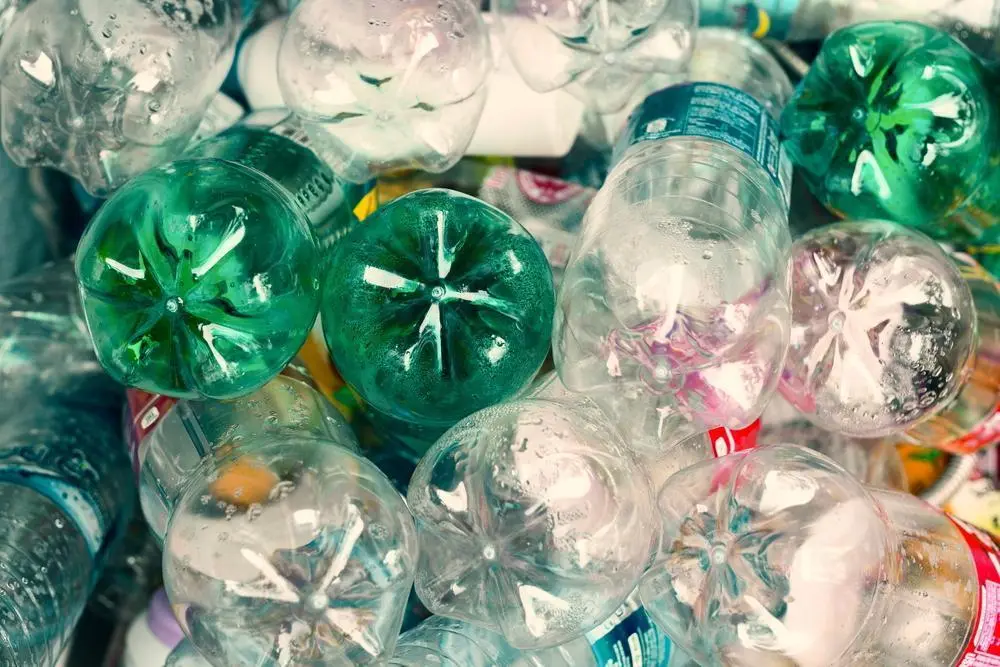
Drive along any road, peek into any public trash can or wander the shoreline of any Florida beach, and you’ll find single-use plastic litter of all shapes and sizes.
Read more Federal Reserve policymakers show support for rate hikes as Warsh reins in guidance
Plastic throwaway containers have become a part of our everyday lives. In fact, half the plastic created globally goes to create single-use packaging.
But people here in Florida can fight this threat in many ways, including by bringing our own reusable cups and leftover containers when we dine out. And Florida officials can help make reuse easier and more common.
There’s no question that we need to reduce single-use plastic, a giant environmental disaster that’s harming the people and wildlife in Florida and around the world.
Plastic is made of fossil fuels, the extraction, production and use of which drive the climate crisis, contributing to extreme weather including more intense hurricanes, flooding and wildfires.
Plastic accumulates in our oceans and on our beaches, killing seabirds, sea turtles and other marine mammals. At current rates plastic is expected to outweigh all the fish in the sea by 2050.
Even if plastic is properly disposed of, it never truly disappears. It breaks down into smaller and smaller particles that persist as microplastics in our soil, rivers, oceans and even our bodies. It leaches into every level of our food chain.

What we need is a change in the way we produce and consume disposable items. We need a shift from single use to reuse.
An easy place to begin making the shift away from single-use plastic is with beverage and food containers. Luckily, here in Florida, our food code encourages the safe reuse of personal beverage and leftover food containers when established safety guidelines are followed.
This means that throughout the state, multi-use personal beverage containers like coffee mugs, water bottles and drink cups are legally allowed to be filled by the customer at self-service fountain stations and by the server or barista behind the counter or at the customer’s table.
Personal food containers brought from home are also allowed for restaurant leftovers as long as the customer fills it themselves. Reusable food containers provided by the restaurant are also permitted.
The policy that makes this type of reuse possible is the food code. In a major win for reuse, at the end of 2024 the Food and Drug Administration issued new guidance giving health departments, businesses, individuals and reuse service providers a clear path to switch to reusable containers for hot and cold food and beverages regardless of who does the filling.
This new guidance moves beyond just coffee, soda, water and food leftover containers and will allow additional forms of reuse, like permitting customers to use their own multi-use containers at salad bars or when ordering food from a food truck if the container is clean and sanitized.
To pave the way for this new option, the state of Florida will need to adopt the future federal 2026 food code, which should be released before the end of the year.

The plastic pollution crisis is a global problem requiring government and corporate action. We can make a dent in plastic waste in Florida by normalizing reuse in our everyday lives.
To help spread the word, a downloadable flier is available that can be distributed to Florida restaurants. Find it at https://bit.ly/floridareuseguidelines.
Kelley Dennings is a campaigner at the Center for Biological Diversity and a leading member of the Food Code and Reuse Committee, which meets regularly to advocate for reuse-friendly state and federal food code changes and reuse infrastructure. She lives in Jacksonville. This opinion piece was distributed by The Invading Sea website (www.theinvadingsea.com), which publishes news and commentary on climate change and other environmental issues affecting Florida.
Read more Oviedo council sends four-year term proposal back to voters