
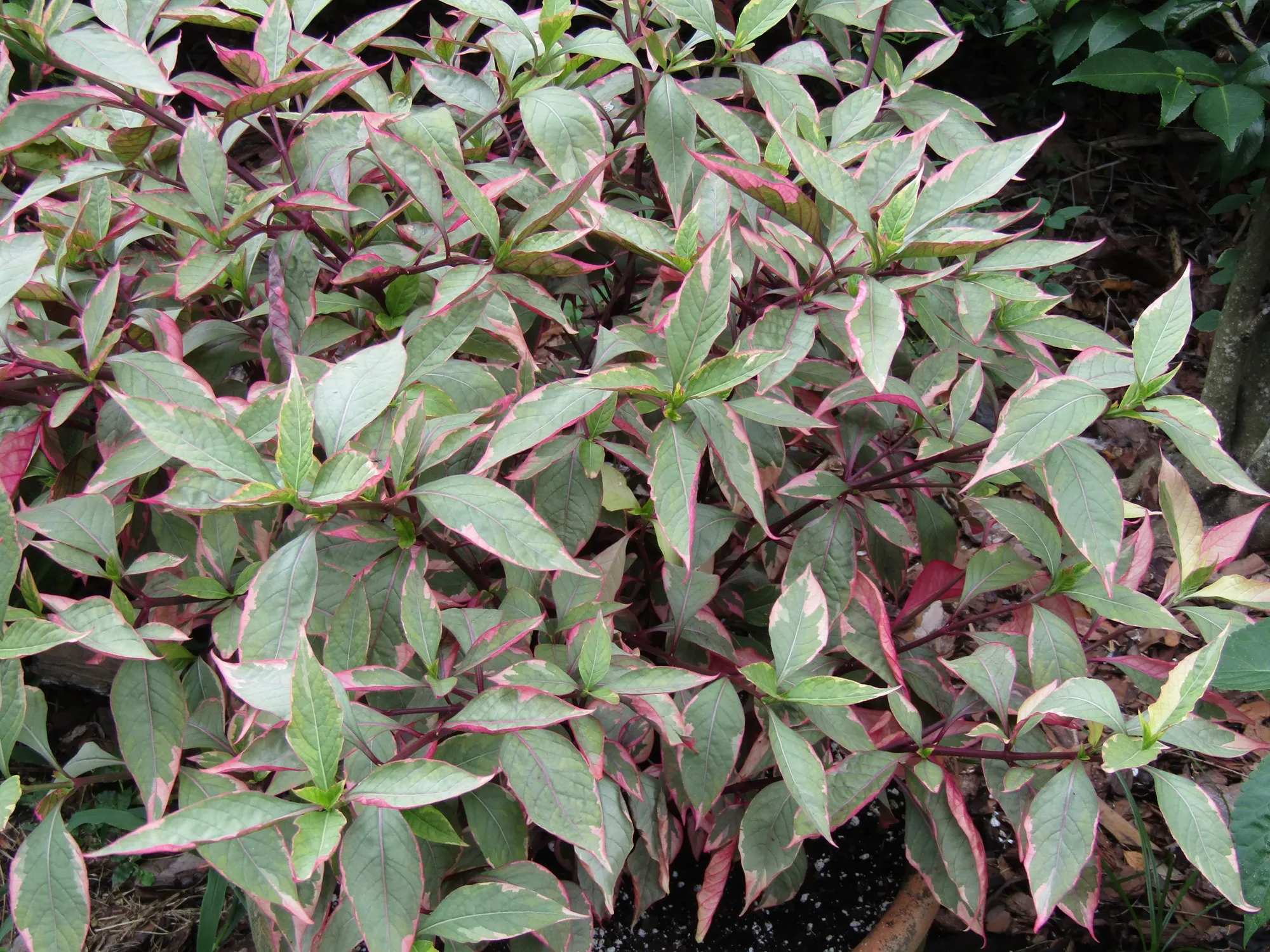
Q: I would like plants with colorful foliage to grow in a flower bed with filtered sun. What do you suggest?
Read more ‘Summer camp’ for pups: DogBeach Orlando offers daycare, boarding near Winter Park
A: Not planted very much, but an excellent choice, are selections of alternanthera — also known as Joseph’s Coat. It’s a perennial with foliage of many colors. Plantings are cold tolerant and can develop their best color during cooler weather. They are damaged by freezing weather. Most grow as wide-spreading plants and up to about 18 inches tall and wide. Use plants in containers or in-ground beds for continuous color. The flowers are fairly inconspicuous and not showy. Two additional selections to consider for your bed are coleus and caladiums. Coleus can remain attractive year-round but are affected by cold. Caladiums are mostly seasonal, lasting spring through late summer or fall. When the foliage declines the bulbs, actually tubers, rest before restarting growth the following spring.
Q: After the freeze we removed damaged plants and added hibiscus. When can I fertilize the plants?
A: Hibiscus grow and flower well with fertilizer applications in March, May, August (where permitted) and October. Use a slow-release product that feeds the plants for several months before another application is needed. Hibiscus grown in containers can usually be fertilized at anytime following product labels. Plants in containers are usually exempt from summer fertilizer restrictions.
Q: When summer arrives our lawn turns a light green with yellow streaks. What can we apply to make it green? Would a lawn fertilizer work?
A: Fertilizers with nitrogen and phosphorus that could regreen a lawn are prohibited in many areas of Central Florida during the summer months. Yellowing of lawns is often due to an iron deficiency. Try making an iron or minor nutrient application to the turf. Garden centers may offer both granular and liquid forms of iron-containing products for summer use. Follow the product label to have a greener lawn in a few days. Next time to apply a traditional lawn fertilizer is October.
Plant Doctor: Get the most from your impatiens by giving them sun and shade
Q: My Mexican petunias have white steaks on the leaves. Should I cut them back?
A: That white look might be from snow if it wasn’t so hot. But what you are actually seeing is caused by a very small mite. These plant pests stimulate the Mexican petunia foliage to grow hairlike portions that form the white patches. Mexican petunias don’t seem to mind the mites that much, but beside the white coating, they can cause leaf distortions. If you want to improve plant appearance and obtain control, apply a horticultural oil spray or insecticidal soap following label instructions. Just pruning off the affected foliage probably won’t work, as there are like plenty of mites left on the plants ready to affect new growth.
Q: We added sod to replace our old, deteriorating St. Augustine lawn. It has been down about a week and we are watering several times a day. When do we reduce the watering?
Read more Are you a Central Florida gardener? Here’s your to-do list heading into August
A: Start now to put your lawn on a lean water diet, especially if some of the turf is in shady areas. Watering turf in the shade is tricky, as too much moisture can cause rot problems and turf decline. Normally after the first week of watering, St. Augustine can be put on an every-other-day watering schedule for week two. Then every third day for week three. If the turf receives significant rain any day, the watering for that day, and maybe the next, can be skipped. By week four the lawn should be on a normal watering schedule of about twice a week. During extremely hot and dry weather additional watering may be needed. Turf in the shade may need less water, so some days may be skipped.
Q: I know it’s time to restart our tomato plants. What is the best way to produce seedlings for transplants?
A: Packets of fresh tomato seeds obtained from garden centers or stored in a refrigerator for a year or two should give good germination. Usually planting one seed to a small container, or section of a cell pack, produces individual transplants for the garden.
Fill small containers or cell packs with potting soil and moisten. Then push the seeds into the soil about a quarter inch deep and cover lightly with soil. Keep the containers moist and in filtered light. When the seeds sprout, usually within five days at this time of the year, move the containers to full sun. Outside is best but protect from storms. Keep seedlings moist and begin making half-strength liquid fertilizer applications every other week after they’re a week old. With good care your transplants should be ready for the garden in about four weeks.
Q: I made a mistake and moved bromeliads from the shade to a sunny location and the foliage is scalded. Will they survive and become accustomed to the sun?
A: Unless these are pineapple plants and a few other bromeliads, they are not going to take a liking to the sun. The plants can recover if you move them back to a shady location or provide a shade cloth covering to reduce the sun. The sooner the better, as with this intense summer sun, the plants are going to continue to decline.
Tom MacCubbin is an urban horticulturist emeritus with the University of Florida Cooperative Extension Service. Write him: Orlando Sentinel, P.O. Box 2833, Orlando, FL. 32802. Email: [email protected].
Read more Best cooling bed sheets