

Which kids’ reading and writing materials are the best
Literacy goes far beyond the ability to read and write. Literacy arms us with the tools we need to adequately express ourselves, which is why getting quality reading and writing materials is so important. A strong reading and writing foundation can set your child up for success later in life.
Read more Experience comfortable outdoor hunts with top duck hunting waders
But what materials are best for your child? In the guide below, we’ll go over everything you need to know before settling on a resource. We’ve also included some product recommendations at the end, such as the Sylvan Learning’s First Grade Jumbo Language Arts Success Workbook, an excellent workbook from a trusted brand that aims to make learning enjoyable.
What to know before you buy reading and writing materials
Reading levels
- Ages 4-6: At this stage in life, students likely recognize most letters, even if they aren’t quite reading yet. This is an excellent time to introduce an all-in-one language arts activity book. Many of these books feature fun and colorful activities that are appealing to kids at this age. Just be sure the book you opt for covers letter recognition, letter sounds, and blending letters to form words.
- Ages 5-7: By this stage, students are likely ready to start reading. Now you will have to decide if a phonics or a whole-language approach is better for the individual child.
- Ages 8-10: Students in this age range should be able to handle reading, writing, and spelling with relative ease. You’ll want to find reading and writing materials that focus on sentence structure, grammar, and expression.
Phonics vs. whole language
Phonics reading and writing materials use sounds and letter combination rules to break down words into small, easy-to-digest chunks. It’s like solving a puzzle. This method gives children the tools they need to break down larger, more complex words later on. However, phonics lessons don’t help when dealing with words that “break the rules.” For example, pear and pair sound the same but are spelled differently.
With whole language reading and writing materials, words are studied in context rather than looked at as individual puzzles to solve. These resources also focus on introducing a large number of words in order to teach word familiarity. These methods can be helpful for children with dyslexia.
What to look for in quality reading and writing materials
Digital vs. print
There is a variety of helpful reading and writing resources available in both print and digital mediums. To get your child comfortable with things like holding a pencil properly, it may be best to start with print and introduce digital resources once they’ve mastered some basic skills.
All-in-one workbooks
All-in-one workbooks focus on a variety of topics and are a great way to introduce reading and writing to young children between kindergarten and first grade. As your child grows, however, these all-in-one resources should be replaced with individual books that cover each topic more in-depth.
Easy readers
Easy readers use tools like simple words and repetition. They are perfect for beginners just learning to read.
Child-friendly writing pages
Elementary-level writing materials often include blank-lined pages for your child to practice what they’ve learned. For kids who are still learning letter formation, it’s important to look for books that provide adequate vertical and horizontal space.
How much you can expect to spend on reading and writing materials
Price ranges drastically for reading and writing materials, depending on what you’re looking for. Most simple activity books will cost $10-$20, while bundles that include multiple workbooks and teaching resources could reach $50 or more.
Reading and writing materials FAQ
At what age should I be concerned that my child isn’t reading?
A. Every child is different, but most learn to read between the ages of four and seven. If they are still having trouble at age eight, it is probably time to seek the advice of your pediatrician.
Read more Daily Horoscope for July 17, 2026
How can I tell if my child has dyslexia?
A. The only way to know for sure is with a proper evaluation. However, there are some common signs you can look for. If the child struggles with nursery rhymes or has trouble remembering the order of the alphabet, you should reach out for help.
What are the best reading and writing materials to buy?
Top reading and writing materials
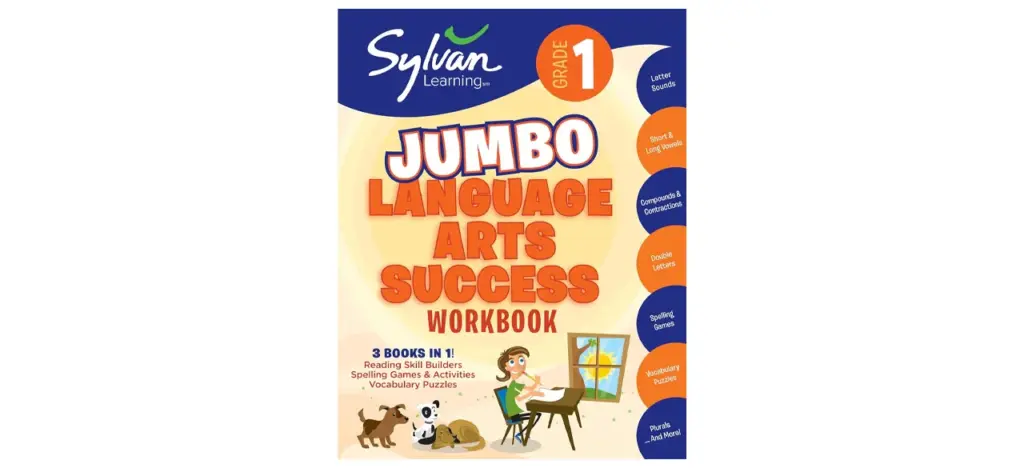
Sylvan Learning’s First Grade Jumbo Language Arts Success Workbook
Our take: A 3-in-1 workbook that covers several language arts topics in an approachable, kid-friendly way.
What we like: Includes quality reading, vocabulary, and spelling activities. Challenges and activities are engaging and easy to follow. The colorful book is aesthetically pleasing.
What we dislike: Some found the book would be easier to use if pages were perforated. A few instructions use complex language that kids may need help with.
Top reading and writing materials for the money
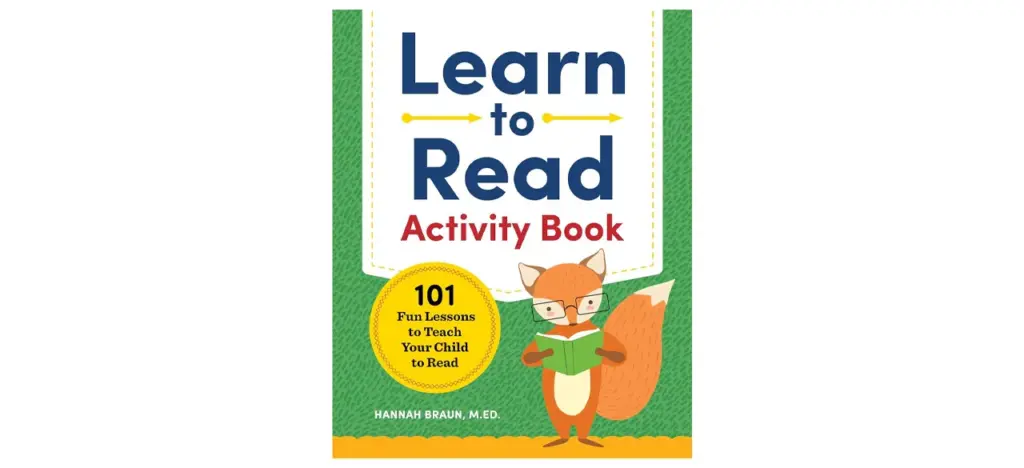
Hannah Braun’s Learn to Read Activity Book
Our take: A great choice for introducing young children to simple words.
What we like: Engaging book includes fun challenges such as mazes, word searches, and tracing to teach blending sounds and sight words. A solid balance of activity and lesson pages to keep kids stimulated.
What we dislike: Activities in the book could be a struggle for children who can’t already identify most letters.
Prices listed reflect time and date of publication and are subject to change.
Check out our Daily Deals for the best products at the best prices and sign up here to receive the BestReviews weekly newsletter full of shopping inspo and sales.
BestReviews spends thousands of hours researching, analyzing and testing products to recommend the best picks for most consumers. BestReviews and its newspaper partners may earn a commission if you purchase a product through one of our links.
Read more Trump uses primetime address to raise doubts about US elections ahead of midterms
Distributed by Tribune Content Agency, LLC.
Share this:
Share on Facebook (Opens in new window)
Facebook
Share on Bluesky (Opens in new window)
Bluesky
Share on X (Opens in new window)
X
Print (Opens in new window)
Print
Email a link to a friend (Opens in new window)
Email