
On July 14, the Trump administration finalized a rule that will legalize the destruction of habitat that sustains threatened and endangered species.
Read more Letters: Trump hurts our defenses | Subsidizing Big Oil | Help Ukraine
Killing or damaging an individual plant, invertebrate, fish, reptile, amphibian, bird or mammal protected by the Endangered Species Act (ESA) will still be a crime. But it will be perfectly legal to destroy all the habitat an ESA-listed species requires for survival, thereby rendering it extinct. This is “common sense,” proclaims Trump’s Interior Secretary Douglas Burgum.
Wildlife advocates don’t agree. Bart Melton of the National Parks Conservation Association writes that the rule “defies common sense” and that it “paves the way for mining, oil and gas drilling, logging, and development in areas that are crucial to the survival of some of our most vulnerable species.”
Earthjustice attorney Kristen Boyles condemns the rule as violating “the core purpose of the statute and decades of legal precedent, including from the U.S. Supreme Court.”
Animal Wellness Action president Wayne Pacelle says, “Taking habitat protections out of the Endangered Species Act is like taking the anti-discrimination provisions out of the Civil Rights Act. The law may still bear the same name, but its core provision and promise have been hollowed out.”
Unless multiple lawsuits succeed, the Trump rule goes into effect September 14.
For half a century, “harm” to threatened and endangered species has been defined by law as not just physical and direct damage to individuals but also “significant modification or degradation” to the habitat that sustains all individuals. With that traditional definition, the ESA has saved 99% of listed species from extinction.

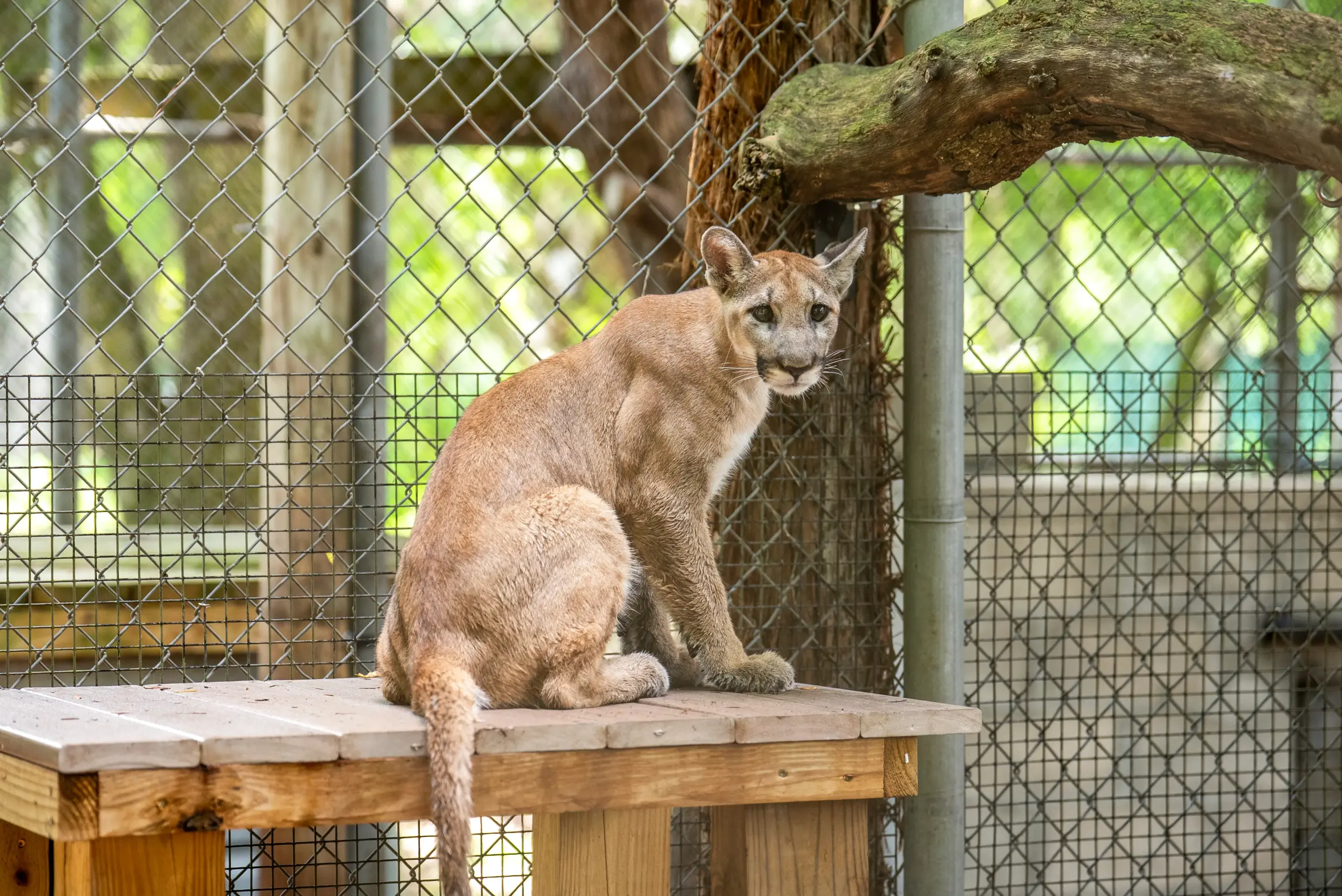
By 1992, habitat destruction by developers and resulting vehicle traffic had knocked the population down to an estimated 30 animals. Extinction appeared inevitable.
But mandated by the ESA, the U.S. Fish and Wildlife Service and partners restored flatwoods, hardwood hammocks, and palmetto scrub habitat by controlling woody overgrowth with prescribed burns, thereby boosting populations of white-tailed deer, the panther’s main prey.
Read more Don’t miss the best deals of Labor Day 2026
Core panther breeding habitat in ranch and agricultural lands was protected by acquisition and easement. And important panther dispersal areas, such as the Caloosahatchee River Corridor, were secured, enabling panthers to move from South Florida to Central Florida.
To combat vehicle strikes, dozens of wildlife underpasses and high-fenced corridors were constructed along major highways, permitting panthers to move between fragmented habitat without getting hit.
Water projects restored historical flows, balancing water levels and restoring dry pine islands and hammocks crucial for panther denning and hunting.
As a result of all this ESA-mandated habitat work (and introduction of western cougars to relieve inbreeding) the Florida panther population has increased to perhaps as many as 250.
The Trump administration defends its rule by noting that habitat for threatened and endangered species will still be protected in National Park units. But all manner of ESA-listed species depend on habitat and migration corridors in land adjacent to these units. For example, Florida panthers require enormous hunting ranges that extend far beyond Everglades National Park and Big Cypress National Preserve. Females need 70 to 150 square miles, Males 200 to 275.
Before the rule was finalized on July 14, Americans filed 357,000 public comments. While the administration refuses to list the number or percentage of negative responses, random sampling by policy analysts at Earthjustice and independent data scientists reveals that about 99% of the comments were opposed. The Administrative Procedure Act requires federal agencies to review public commentary, demonstrate that they took public will into account, then provide a rational, evidence-based explanation for their final rule. The Trump administration routinely ignores this directive.
The Florida panther is just one of hundreds of ESA-listed species certain to be ushered into oblivion by the Trump administration’s nonsensical rule. Unless courts block this rule, our planet’s ongoing mass extinction will shift to warp speed, and there will be no future for the Florida panther and little or none for the other 119 threatened and endangered species in Florida.
Ted Williams is a former information officer for the Massachusetts Division of Fisheries and Wildlife and a former columnist for Audubon magazine.
Read more Swaddle vs. sleep sack: Which is right for your baby?