
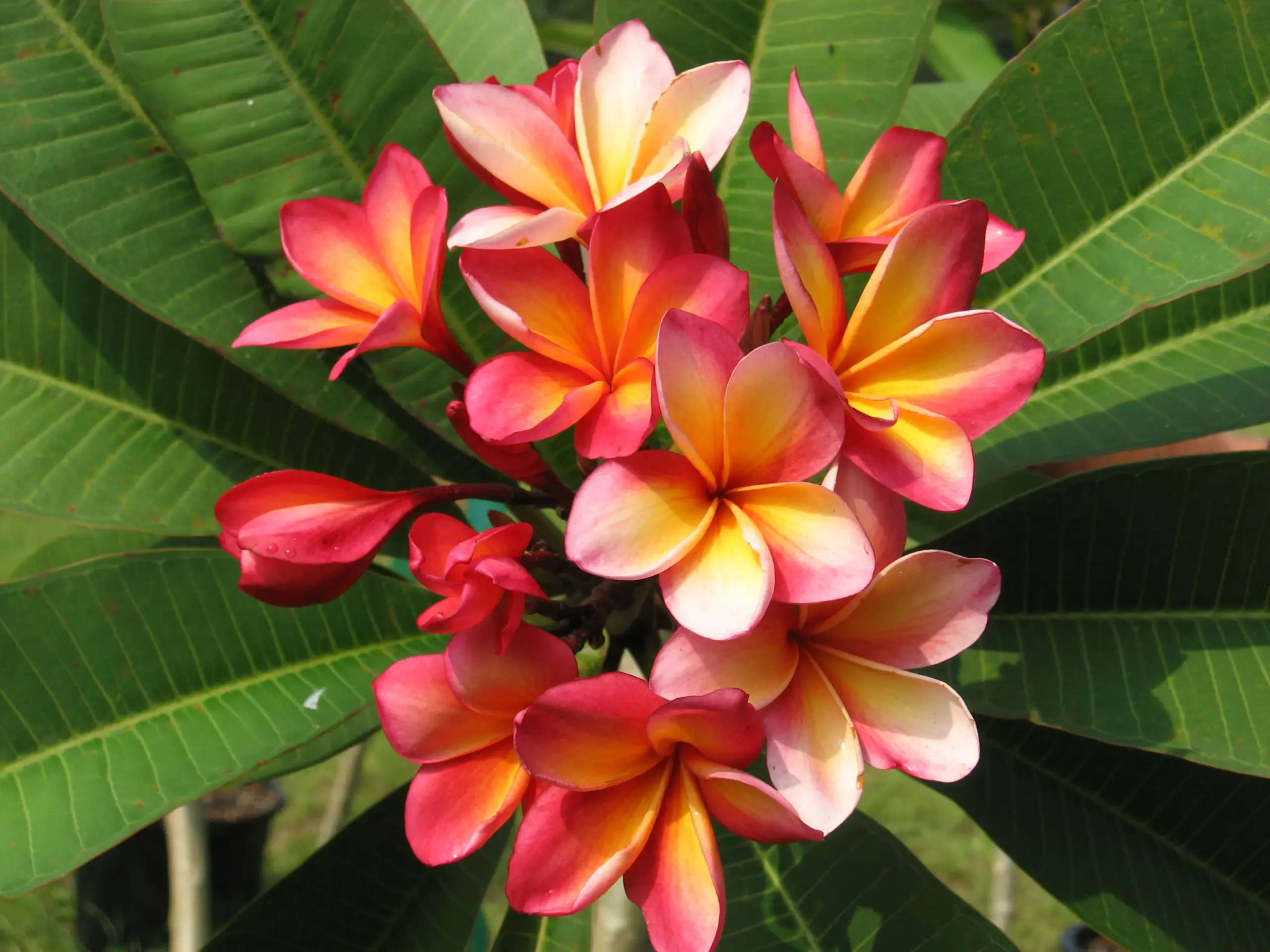
Q: Cold damaged our plumeria plants in February, but some are growing back. When can we make cuttings to increase the plantings?
Read more Make bath time fun with the best baby bath products
A: Let your plants make good growth and matures their stems first. When stems are a foot or more in length and firm you could make cuttings. Make cuttings a foot or more in length and remove major leaves. Make cuts across the stems then let cuttings heal their wounds in an open, airy spot with shade for about a week. After the wound areas are a brown color, dip the cut ends in rooting powder and stick them a few inches deep into containers of moist, loose potting soil. Keep the cuttings in a shady site until leaves start to form, and then they can then be gradually moved into a full-sun location.
Q: Our mango tree is recovering from cold damage but did not bear fruit. We normally prune it after fruiting. When do we prune it now?
A: Use the summer months to perform needed pruning of mango trees, which depending on the variety, ripen fruit May through September. Since yours is in a recovery stage, only light pruning is likely needed to remove remaining cold-damaged sections and renew the shape of the tree. In many instances no pruning is required, as the tree regrows needed limbs.
Q: All of our citrus was lost due to greening disease. We would like to replant. What varieties should we add to the landscape?
A: An all-clear signal has sort of been sounded for the planting of citrus trees in home landscapes. After a few years of suggesting gardeners avoid adding citrus to their fruit tree plantings, greening-tolerant varieties are now available. Note that these varieties are tolerant and not resistant. This means the trees can get greening, but live with it and produce edible fruits. Some greening-tolerant varieties to consider include Sugar Belle, OLL-4 Sweet Orange, The Donaldson, UF Sun Dragon, Tango Mandarin, Marathon and Beatriz lemon. Look these up online to decide which ones are best for your new plantings. Local independent garden centers are most likely obtaining some of these varieties or can locate them for you. Greening-tolerant trees do need good care with frequent feedings, minor nutrient sprays and insect control to remain as disease-free as possible.
Plant Doctor: Area yards, beds brimming with brilliant blooms of beloved bromeliad
Q: Due to weeds and summer decline there are bare spots in our bahia lawn. When do we reseed and what is a good technique?
A: Sow bahia seed as soon as possible to take advantage of warmer weather and moist growing conditions. Remove all weeds and debris from the lawn area, then loosen the soil an inch or two deep. Sow the bahia seeds and lightly rake them into the ground or cover with about a half inch of lawn soil. Keep the sites moist and the seed should germinate in about two weeks. Make a light fertilizer application after the seeds have been growing for about two weeks.
Read more Clint Black brings wit, hits to Dr. Phillips Center country series | Review
Q: I like potting soils with some real soil present. All I find are mixtures with barks and what look like lawn clippings? Is there any with real soil?
A: New soil mixtures are different and may look strange to gardeners. Potting soils have not contained soil from the ground for years, and have been mainly combinations of peat moss, perlite and vermiculite. Now you may find composted bark, coconut fiber and general compost as major ingredients. You may have to experiment a little with watering to keep your container plants at the proper moisture levels using the new mixtures. Don’t worry about the chunky look to the newer potting soil mixtures, as this provides good soil aeration. These mixtures are also being used by growers to produce attractive plants. If you want soil or manure in your mixtures, you have to make them yourself. Do note that soils, unless sterilized, contain weed seeds and organisms which are ready to affect plant growth. Even manures, unless composted,can contain ready-to-sprout seeds.
Q: When living up north we planted pansies in September to bloom by spring. Can they be planted here at the same time?
A: Cute pansy flowers, which seem to be full of smiles during our good growing weather, aren’t going to be happy with an early planting. September is still too hot for this flower that flourishes during cooler weather. Actually, pansies are one of our hardiest flowers that can withstand a frost or freeze. Some garden centers may receive the first pansy plants in October, but try to avoid the urge to purchase until November when days are a little cooler. Pansies can then be planted through January, and flower until March, when the hot weather arrives and they decline.
Are you a Central Florida gardener? Here’s your to-do list heading into September
Q: Our lawn is starting to become weedy. When can I put down a weed-and-feed product?
A: Many residents are under a fertilizer ban until October, which means weed-and-feed products cannot be applied for about two more weeks. If you are not regulated as to summer lawn fertilizer applications, anytime time now would be fine to feed the lawn and control weeds. Weeds should be controlled before they fill the lawn. If control is needed immediately, liquid herbicide products are available for lawns following label instructions. Do note the temperature restrictions with these products. Also, different herbicides may be needed to control the various types of weeds in your lawn. Have the weeds identified and matched with the most effective herbicide.
Tom MacCubbin is an urban horticulturist emeritus with the University of Florida Cooperative Extension Service. Write him: Orlando Sentinel, P.O. Box 2833, Orlando, FL. 32802. Email: [email protected]
Read more Best bark collars