
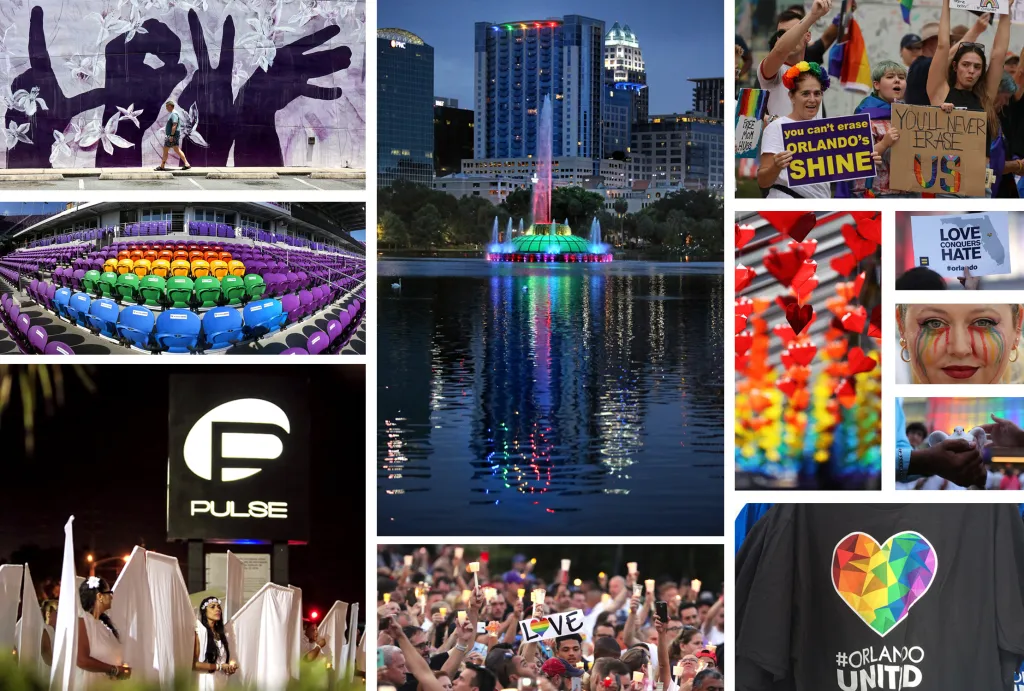
Some people forget how that weekend unfolded.
On Friday night, an obsessed fan shot and killed pop singer Christina Grimmie in Orlando’s landmark Plaza theater.
Read more Audubon Center for Birds of Prey features new owl aviary, ‘Rainbow Raptors’ this month
It was a jarringly macabre way for fantasy land to make national news. So when the sun rose Sunday and news anchors were still talking about a shooting in Orlando, it made sense to assume they were still talking about that shooting.
But no, this was something different. At a nightclub.
Early reports suggested multiple people were killed. Maybe a dozen. Maybe more.
By the time Mayor Buddy Dyer stepped in front of a microphone to deliver the official report, the human toll was impossible to believe.
Forty-nine. The largest mass shooting in American history.
For the next week, our newsroom was nonstop. We talked with grieving mothers and fathers, children and spouses. It was beyond tragic, but we wanted to tell these victims’ stories and honor their lives. So we steeled our nerves and did our jobs.
It’s strange the things that can finally break you.
I’d kept it together while talking to victims’ loved ones. Yet when the cards started coming into our newsroom — notes of support from newsrooms that had previously covered mass shootings in Charleston, Colorado, Sandy Hook and elsewhere — I remember sobbing.
I wasn’t just weeping for Orlando, but for humanity. So much bloodshed. So much senselessness. And so much societal indifference … or at least resignation that it would happen again. Las Vegas would shatter our grisly, record body count just a year later.
Still, Pulse was different. The victims here were part of a community that had historically been targeted and marginalized. By society and specifically by this state.
Florida was one of the last states in America to repeal its bans on both gay marriage and adoption. We were dragged kicking, screaming and court-ordered into the age of equality.
Yet Orlando wasn’t like the rest of Florida. We’re something of an oasis, a place known for love and inclusivity in a state that revels in division.
“Orlando rescued me as a young kid who wasn’t sure I had a place in the world.”
Those are the words of Brandon Wolf, who finally found a safe haven in Orlando, only to have that serenity shattered on June 12. For he was in the nightclub that fateful night.
Wolf was in the bathroom when the shooting started. He lost two of his best friends. He wasn’t sure how to carry on.
But Orlando made sure Wolf and the others knew that they were loved and supported. The community rallied with vigils and blood drives, prayers and performances.
Orange County Mayor Jerry Demings, who was sheriff at the time, said he not only saw empathy but also epiphany from some people who hadn’t previously appreciated the struggles of this marginalized community.
“That was part of the miracle that I saw unfolding,” Demings said. “The goodness of humanity reigned supreme. And good things just kept happening.”
Read more Editorial: In the aftermath of horror, Orlando chose love
Wolf said he noticed it all and took it all in. “It felt like Orlando came out on June 13 and decided to be unapologetically inclusive.”
And for a while, the rest of the world joined us, using rainbow lights to illuminate everything from the Eiffel Tower to Sydney’s Harbour Bridge.
The state of Florida was all-in as well with visual shows of support in Miami, Jacksonville, Tampa and Tallahassee.
Orlando was Florida. Florida was America. And love was love was love.
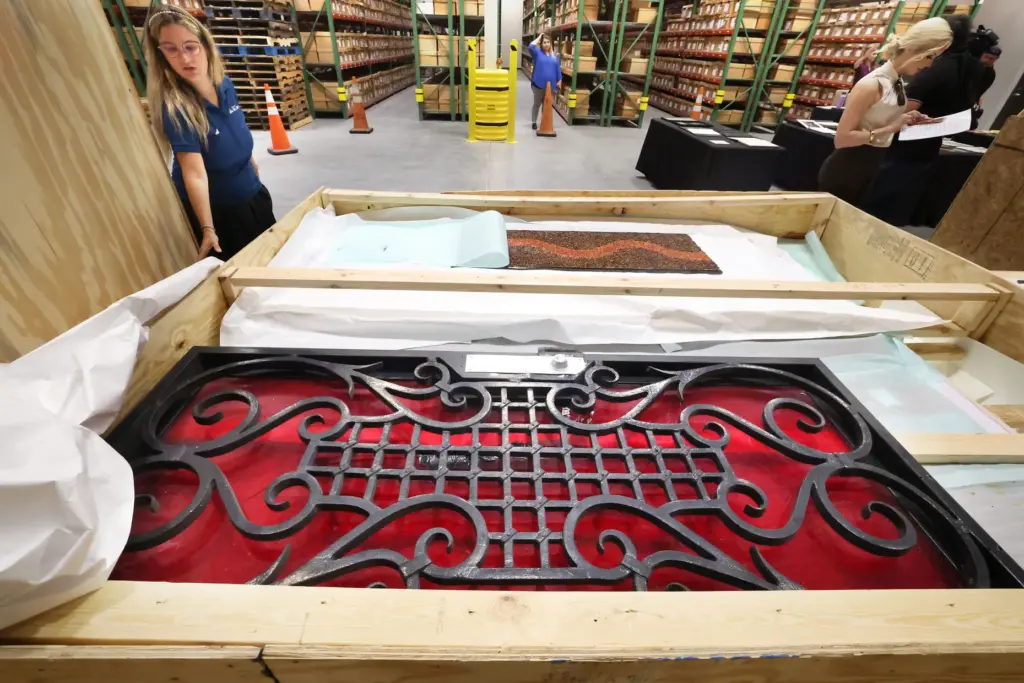 The iron-clad red front door (bottom) and the bar top (middle) are among artifacts and items collected after the Pulse tragedy. Those items are pictured at a climate-controlled warehouse in Orlando on Tuesday, June 2, 2026. Pulse artifacts that have been carefully removed from the site, packaged for preservation and stored in custom crates, may soon be used for later display as part of the Pulse Memorial. (Stephen M. Dowell/Orlando Sentinel)
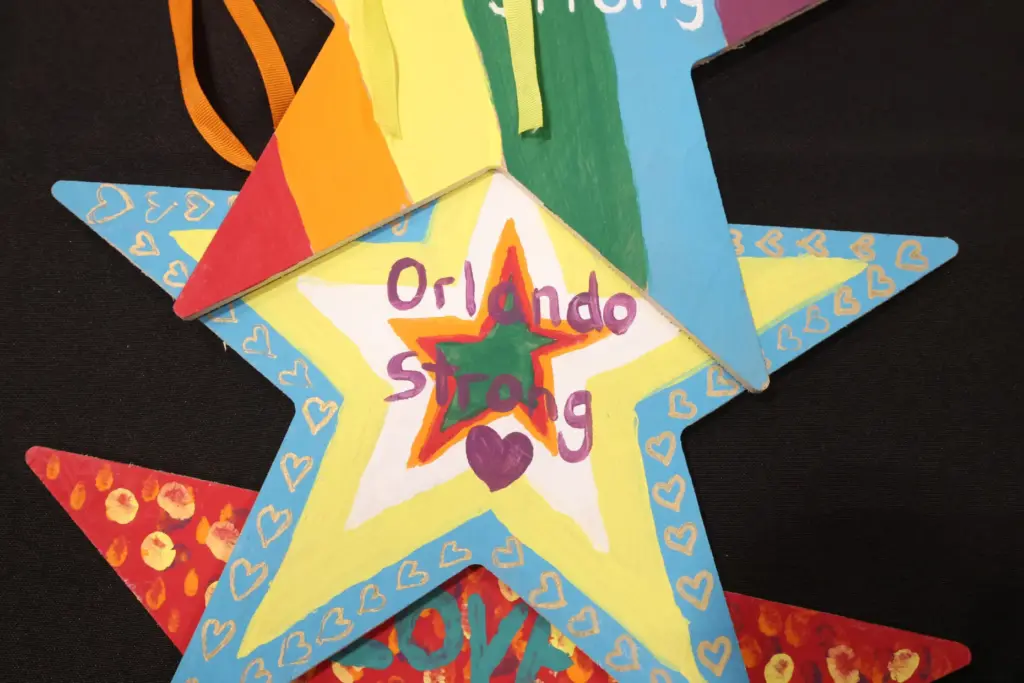 Painted star decorations with messages are among artifacts and items collected after the Pulse tragedy. Those items are pictured at a climate-controlled warehouse in Orlando on Tuesday, June 2, 2026. Pulse artifacts that have been carefully removed from the site, packaged for preservation and stored in custom crates, may soon be used for later display as part of the Pulse Memorial. (Stephen M. Dowell/Orlando Sentinel)
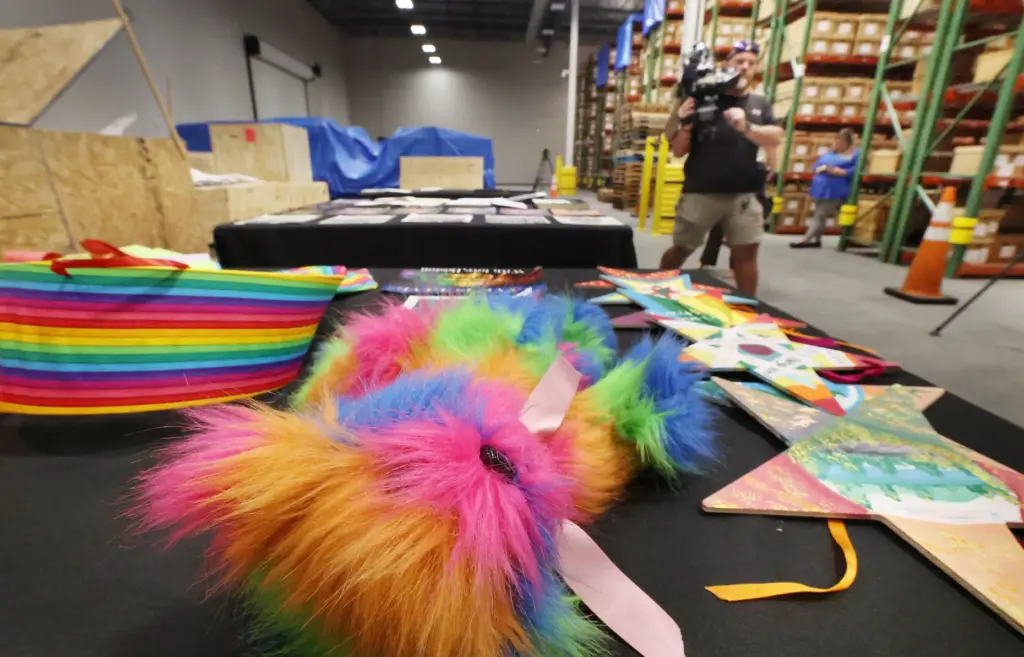 A colorful teddy bear is among artifacts and items collected after the Pulse tragedy. Those items are pictured at a climate-controlled warehouse in Orlando on Tuesday, June 2, 2026. Pulse artifacts that have been carefully removed from the site, packaged for preservation and stored in custom crates, may soon be used for later display as part of the Pulse Memorial. (Stephen M. Dowell/Orlando Sentinel)
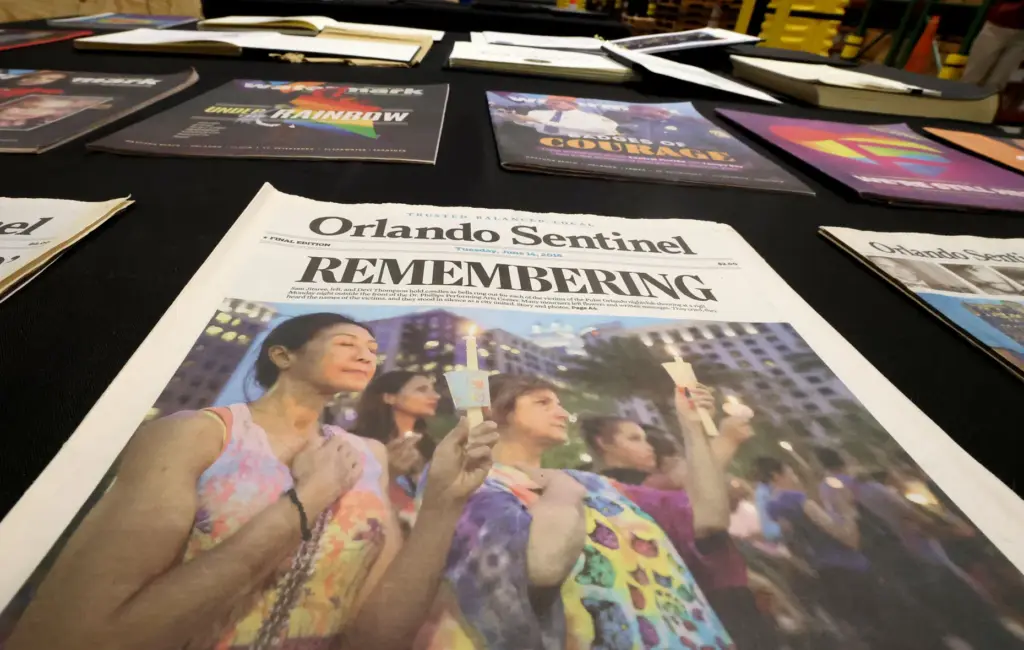 Front pages of the Orlando Sentinel are among artifacts and items collected after the Pulse tragedy. Those items are pictured at a climate-controlled warehouse in Orlando on Tuesday, June 2, 2026. Pulse artifacts that have been carefully removed from the site, packaged for preservation and stored in custom crates, may soon be used for later display as part of the Pulse Memorial. (Stephen M. Dowell/Orlando Sentinel)
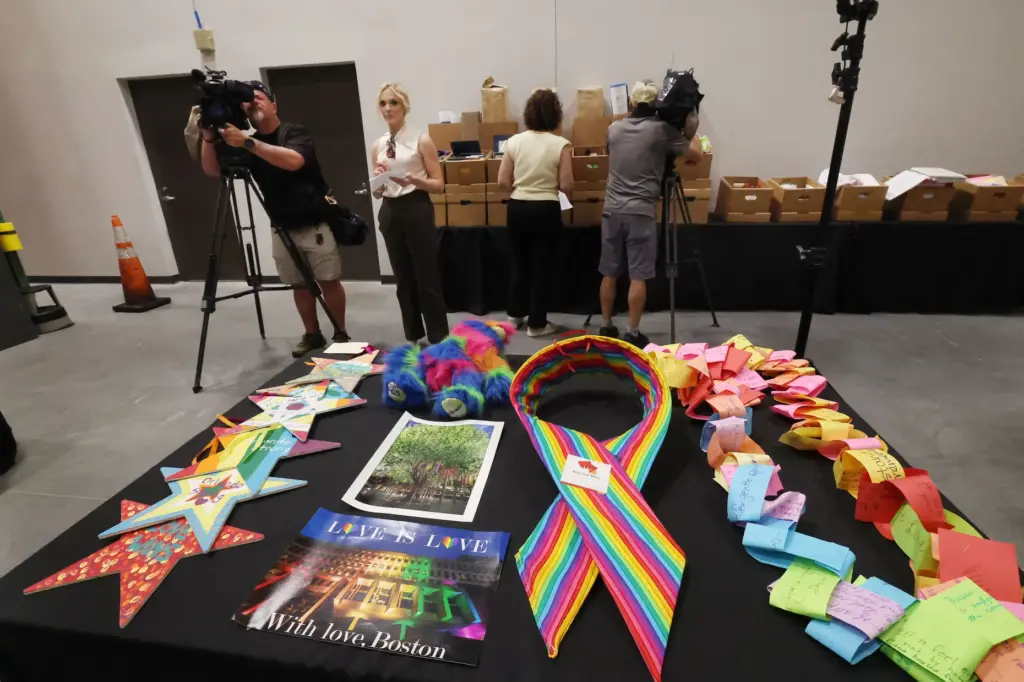 Journalists film artifacts and items collected after the Pulse tragedy. Those items are pictured at a climate-controlled warehouse in Orlando on Tuesday, June 2, 2026. Pulse artifacts that have been carefully removed from the site, packaged for preservation and stored in custom crates, may soon be used for later display as part of the Pulse Memorial. (Stephen M. Dowell/Orlando Sentinel)
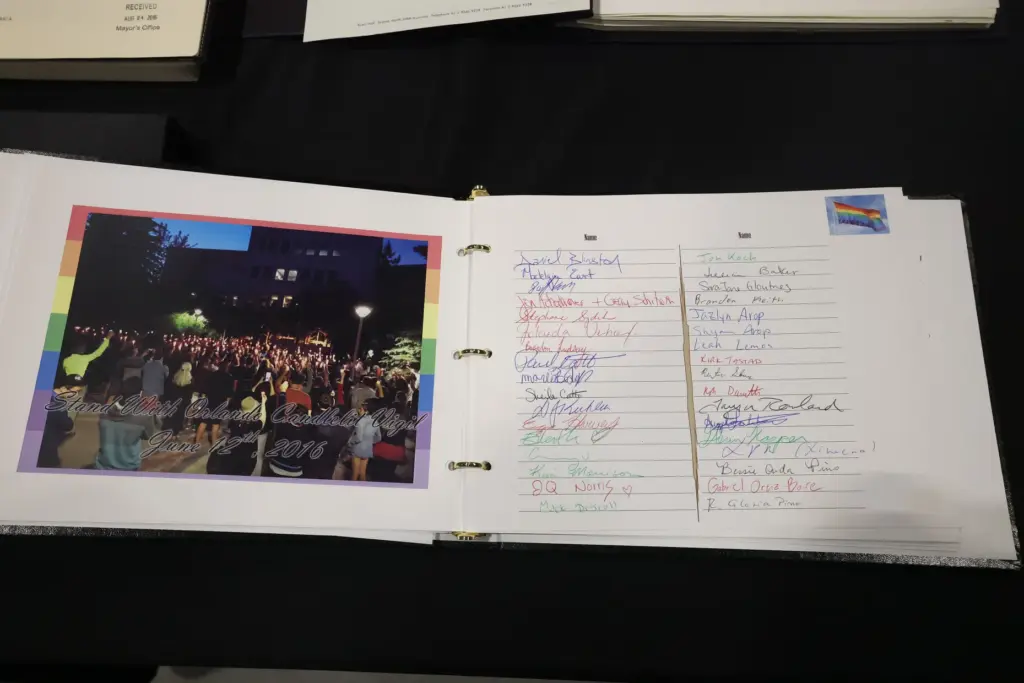 A guest book is among artifacts and items collected after the Pulse tragedy. Those items are pictured at a climate-controlled warehouse in Orlando on Tuesday, June 2, 2026. Pulse artifacts that have been carefully removed from the site, packaged for preservation and stored in custom crates, may soon be used for later display as part of the Pulse Memorial. (Stephen M. Dowell/Orlando Sentinel)
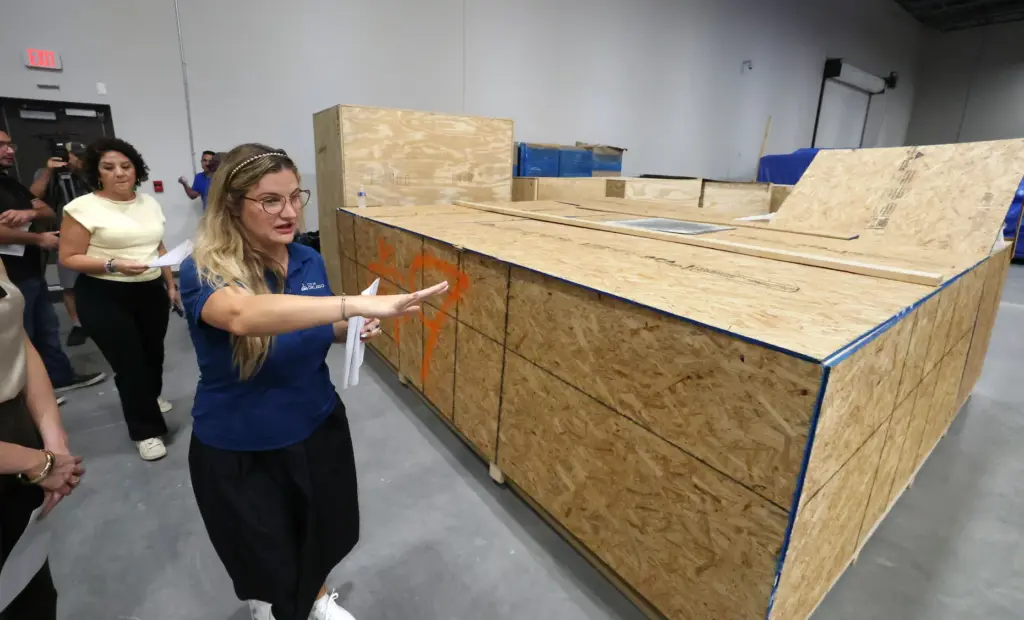 Ashley Papagni, with City of Orlando, leads journalists on a tour of artifacts and items collected after the Pulse tragedy. Those items are pictured at a climate-controlled warehouse in Orlando on Tuesday, June 2, 2026. Pulse artifacts that have been carefully removed from the site, packaged for preservation and stored in custom crates, may soon be used for later display as part of the Pulse Memorial. (Stephen M. Dowell/Orlando Sentinel)
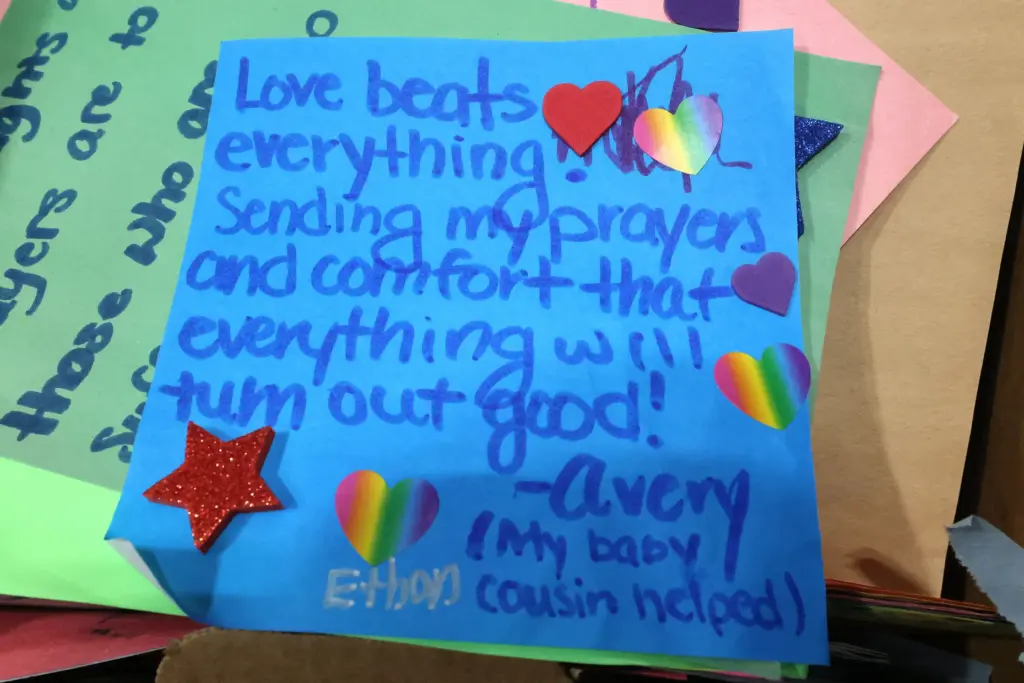 Handwritten messages are among artifacts and items collected after the Pulse tragedy. Those items are pictured at a climate-controlled warehouse in Orlando on Tuesday, June 2, 2026. Pulse artifacts that have been carefully removed from the site, packaged for preservation and stored in custom crates, may soon be used for later display as part of the Pulse Memorial. (Stephen M. Dowell/Orlando Sentinel)
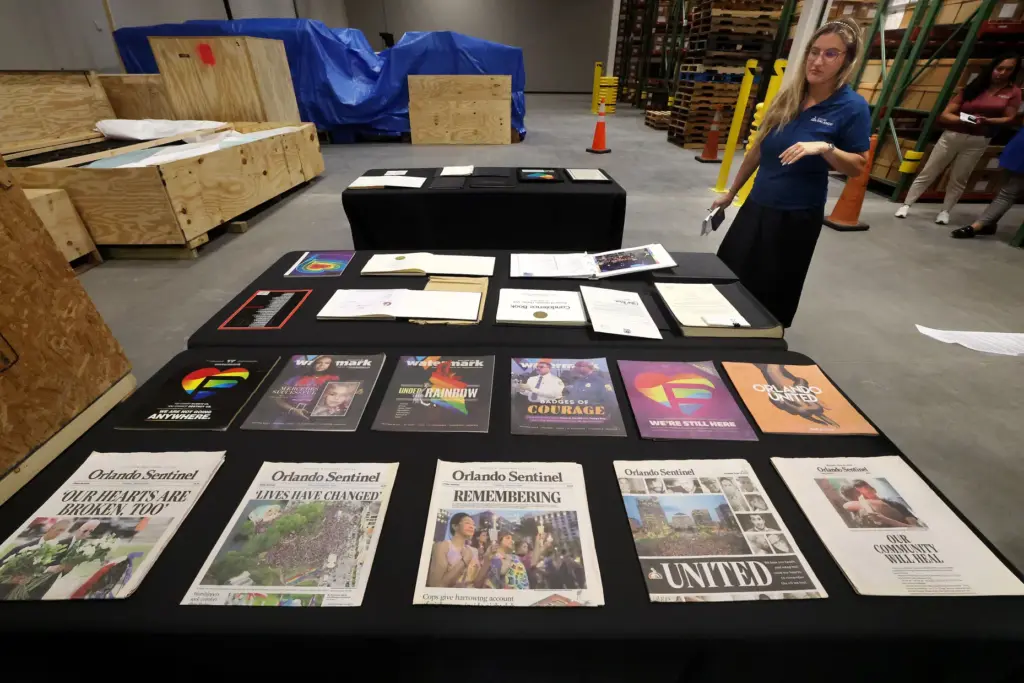 Orlalndo Sentinel editions and other publications are among artifacts and items collected after the Pulse tragedy. Those items are pictured at a climate-controlled warehouse in Orlando on Tuesday, June 2, 2026. Pulse artifacts that have been carefully removed from the site, packaged for preservation and stored in custom crates, may soon be used for later display as part of the Pulse Memorial. (Stephen M. Dowell/Orlando Sentinel)
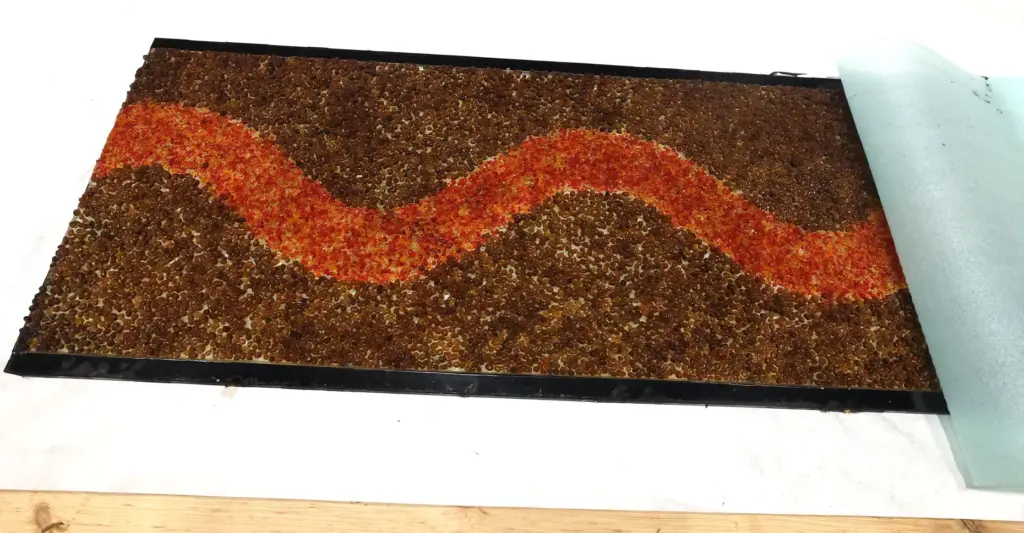 The top of the bar at Pulse nightclub is among artifacts and items collected after the PULSE tragedy. Those items are pictured at a climate-controlled warehouse in Orlando on Tuesday, June 2, 2026. Pulse artifacts that have been carefully removed from the site, packaged for preservation and stored in custom crates, may soon be used for later display as part of the Pulse Memorial. (Stephen M. Dowell/Orlando Sentinel)
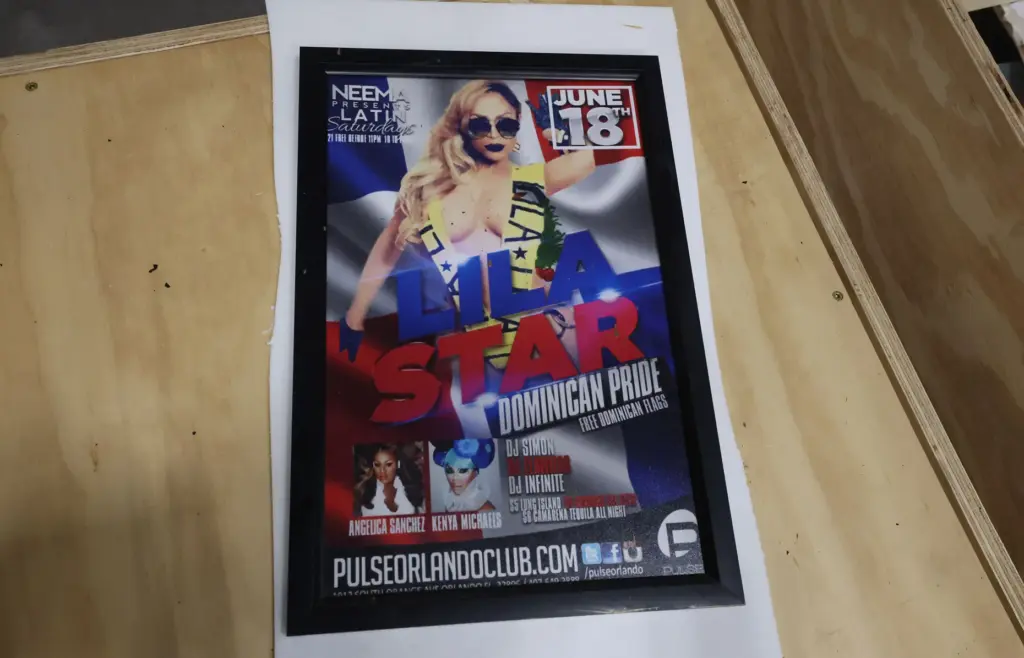 A playbill is among artifacts and items collected after the Pulse tragedy. Those items are pictured at a climate-controlled warehouse in Orlando on Tuesday, June 2, 2026. Pulse artifacts that have been carefully removed from the site, packaged for preservation and stored in custom crates, may soon be used for later display as part of the Pulse Memorial. (Stephen M. Dowell/Orlando Sentinel)
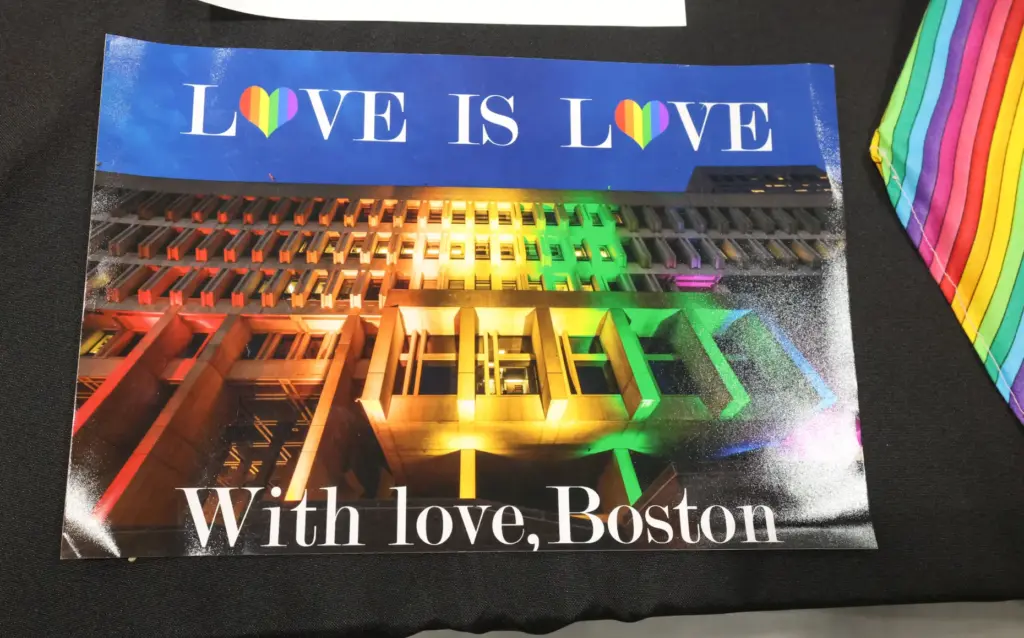 An item from Boston is among artifacts and items collected after the Pulse tragedy. Those items are pictured at a climate-controlled warehouse in Orlando on Tuesday, June 2, 2026. Pulse artifacts that have been carefully removed from the site, packaged for preservation and stored in custom crates, may soon be used for later display as part of the Pulse Memorial. (Stephen M. Dowell/Orlando Sentinel)
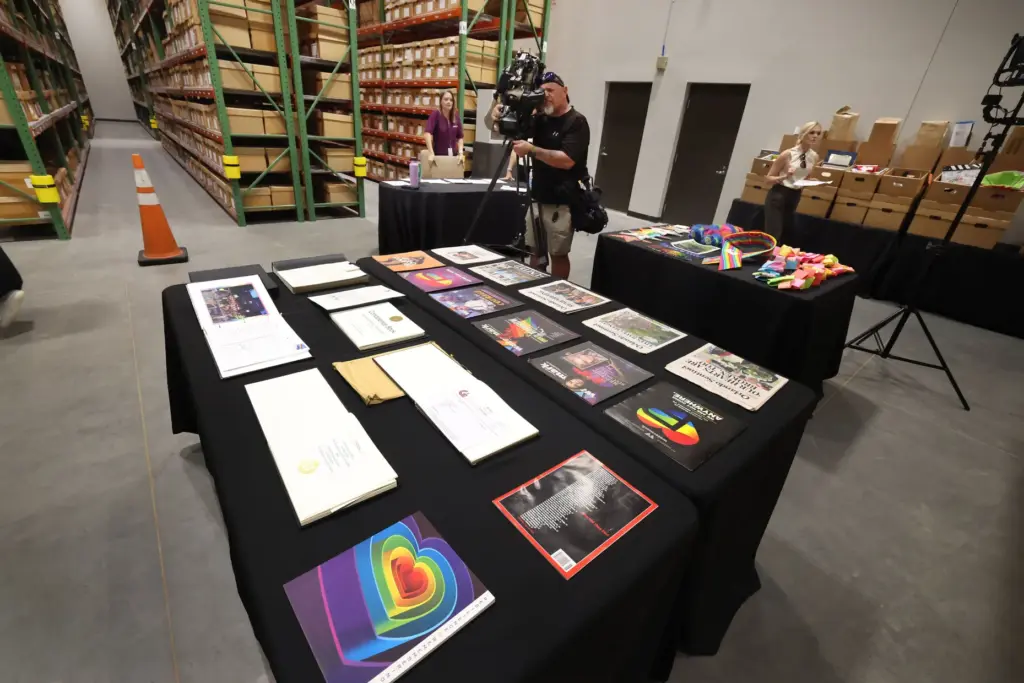 Journalists film artifacts and items collected after the Pulse tragedy. Those items are pictured at a climate-controlled warehouse in Orlando on Tuesday, June 2, 2026. Pulse artifacts that have been carefully removed from the site, packaged for preservation and stored in custom crates, may soon be used for later display as part of the Pulse Memorial. (Stephen M. Dowell/Orlando Sentinel)
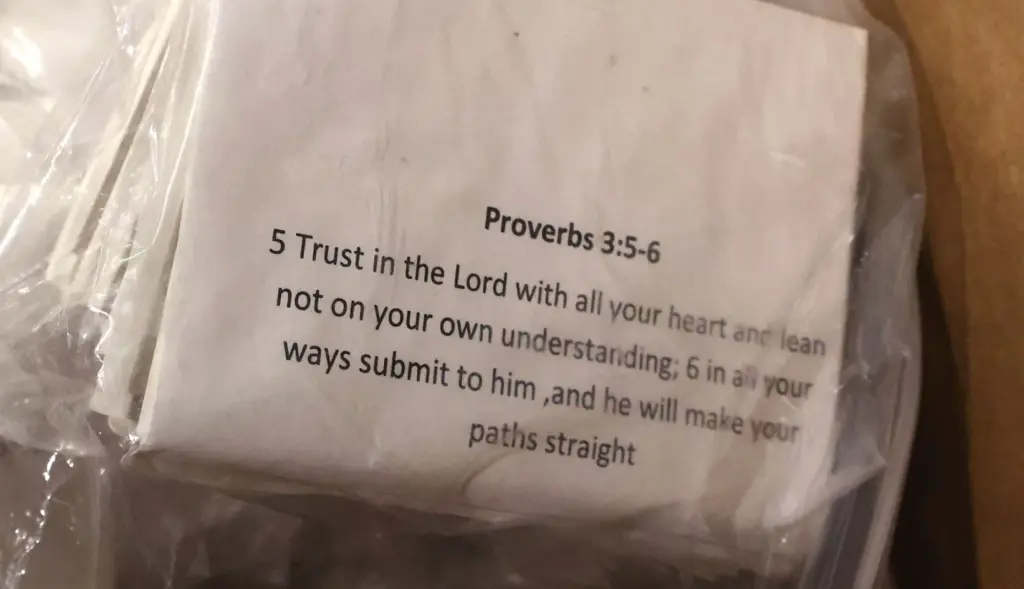 Bible verses are among artifacts and items collected after the PULSE tragedy. Those items are pictured at a climate-controlled warehouse in Orlando on Tuesday, June 2, 2026. Pulse artifacts that have been carefully removed from the site, packaged for preservation and stored in custom crates, may soon be used for later display as part of the Pulse Memorial. (Stephen M. Dowell/Orlando Sentinel)
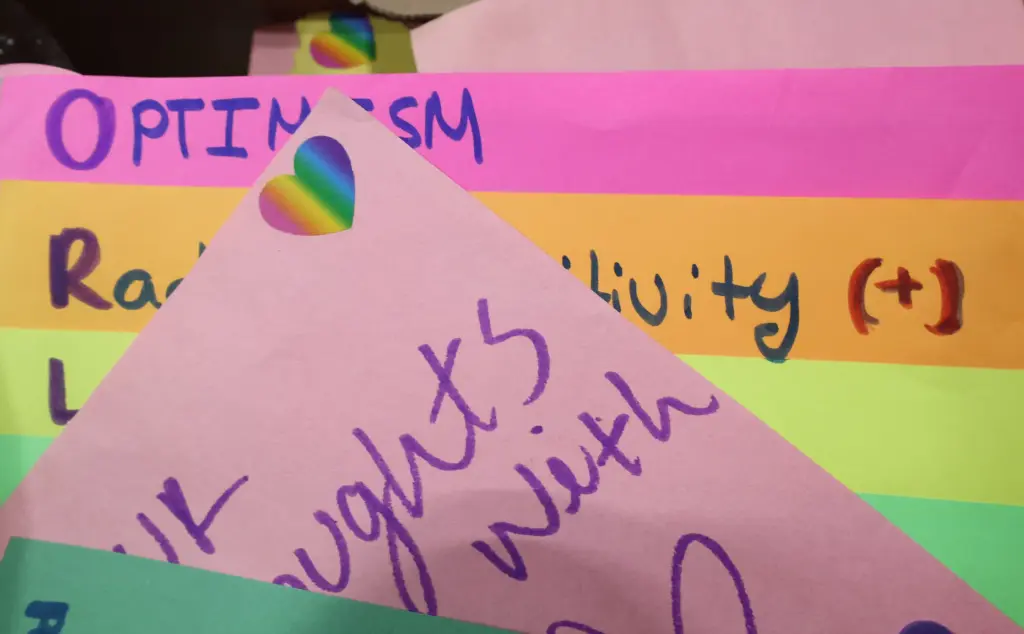 Handwritten messages are among artifacts and items collected after the PULSE tragedy. Those items are pictured at a climate-controlled warehouse in Orlando on Tuesday, June 2, 2026. Pulse artifacts that have been carefully removed from the site, packaged for preservation and stored in custom crates, may soon be used for later display as part of the Pulse Memorial. (Stephen M. Dowell/Orlando Sentinel)
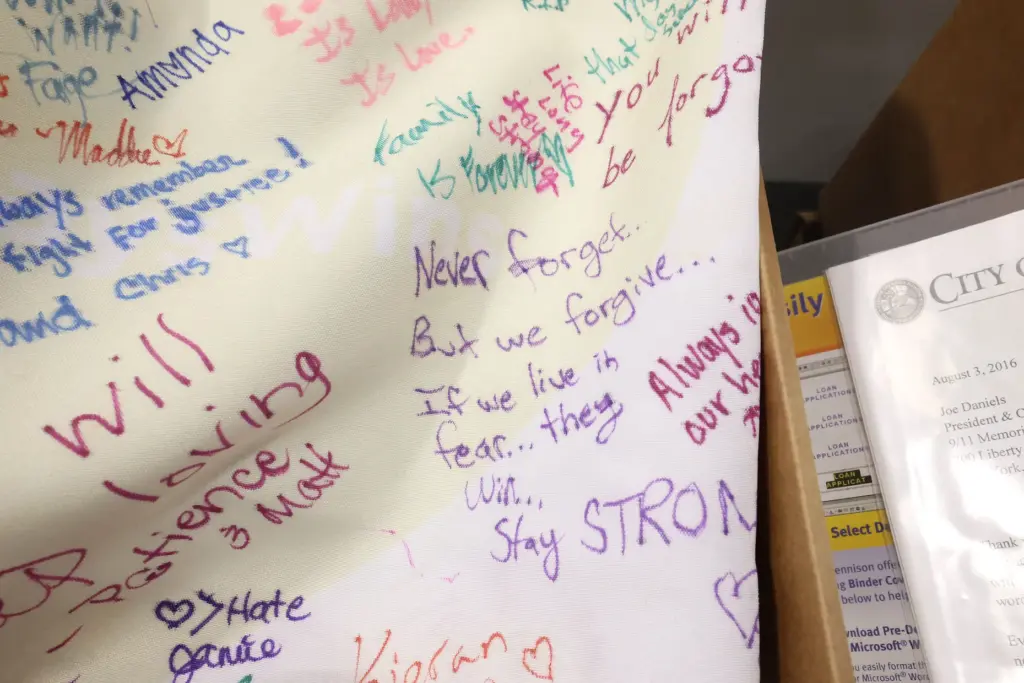 Handwritten messages are among artifacts and items collected after the PULSE tragedy. Those items are pictured at a climate-controlled warehouse in Orlando on Tuesday, June 2, 2026. Pulse artifacts that have been carefully removed from the site, packaged for preservation and stored in custom crates, may soon be used for later display as part of the Pulse Memorial. (Stephen M. Dowell/Orlando Sentinel)
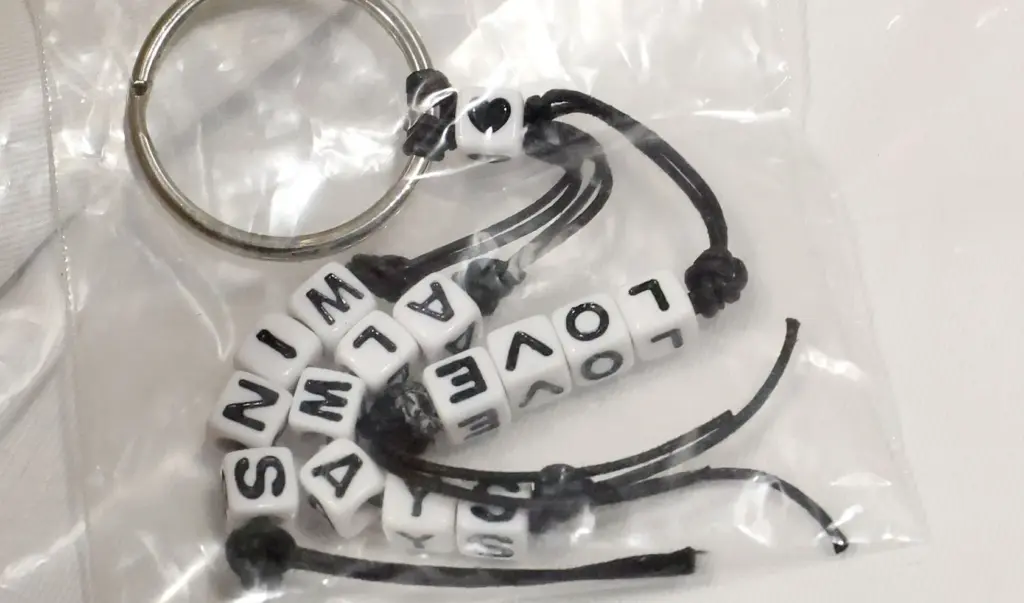 ART: This “Love Always Wins” bracelet was one of many gifts and messages of comfort left at Orlando City Hall after the shooting at Pulse nightclub on June 12, 2016. (Stephen M. Dowell/Orlando Sentinel)
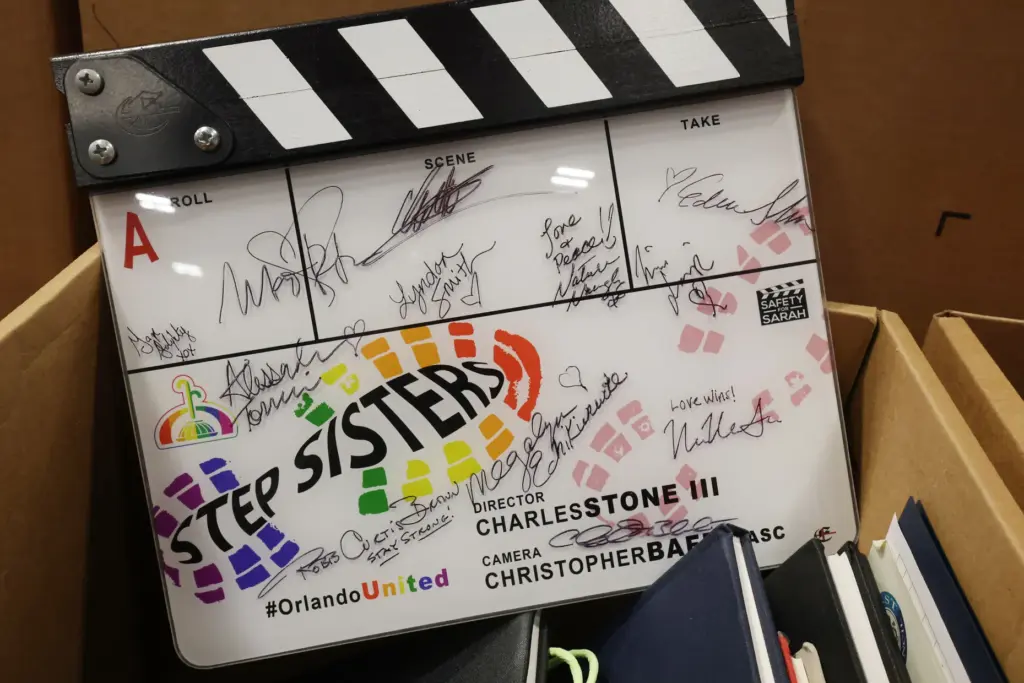 Boxes containg items from all over the world are among artifacts and items collected after the PULSE tragedy. Those items are pictured at a climate-controlled warehouse in Orlando on Tuesday, June 2, 2026. Pulse artifacts that have been carefully removed from the site, packaged for preservation and stored in custom crates, may soon be used for later display as part of the Pulse Memorial. (Stephen M. Dowell/Orlando Sentinel)
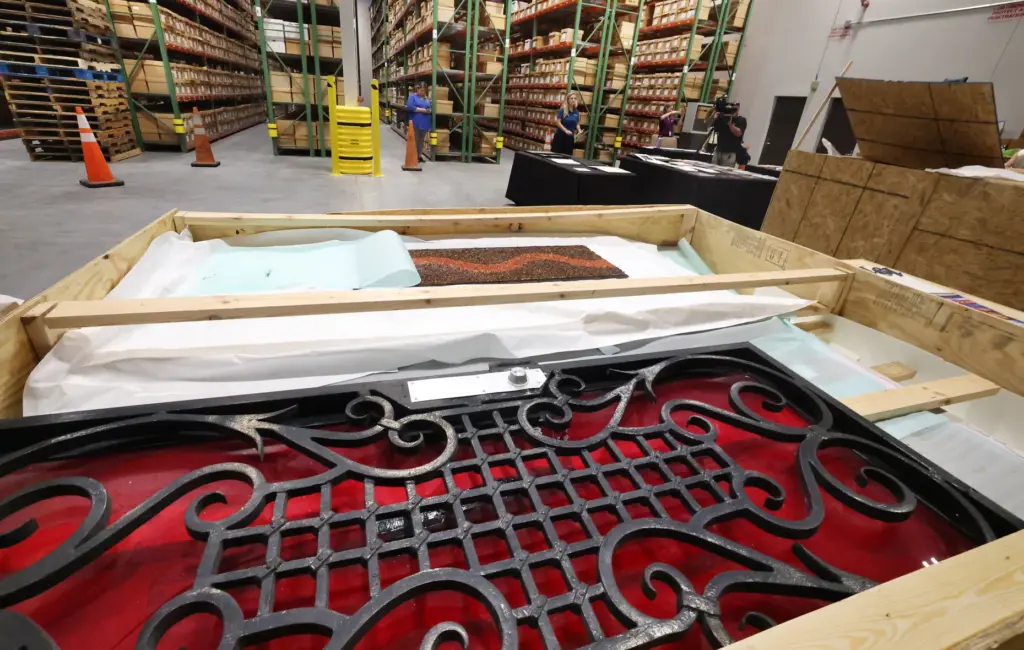 The iron-clad red front door is among artifacts and items collected after the Pulse tragedy. Those items are pictured at a climate-controlled warehouse in Orlando on Tuesday, June 2, 2026. Pulse artifacts that have been carefully removed from the site, packaged for preservation and stored in custom crates, may soon be used for later display as part of the Pulse Memorial. (Stephen M. Dowell/Orlando Sentinel)
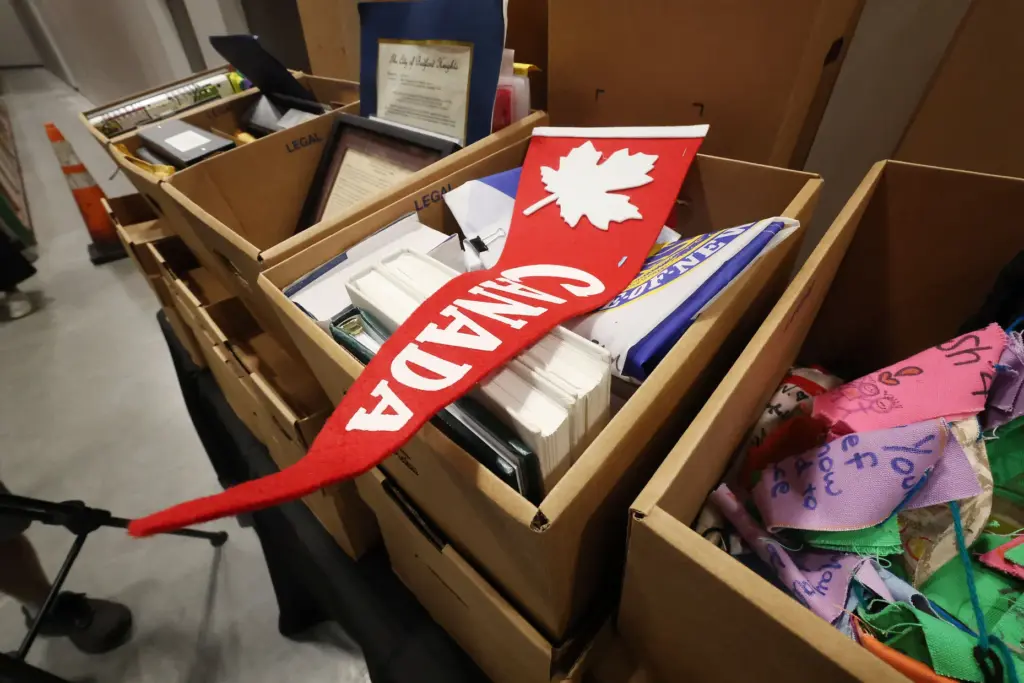 Many boxes from all over the world are among artifacts and items collected after the Pulse tragedy. Those items are pictured at a climate-controlled warehouse in Orlando on Tuesday, June 2, 2026. Pulse artifacts that have been carefully removed from the site, packaged for preservation and stored in custom crates, may soon be used for later display as part of the Pulse Memorial. (Stephen M. Dowell/Orlando Sentinel)
 A playbill is among artifacts and items collected after the Pulse tragedy. Those items are pictured at a climate-controlled warehouse in Orlando on Tuesday, June 2, 2026. Pulse artifacts that have been carefully removed from the site, packaged for preservation and stored in custom crates, may soon be used for later display as part of the Pulse Memorial. (Stephen M. Dowell/Orlando Sentinel)
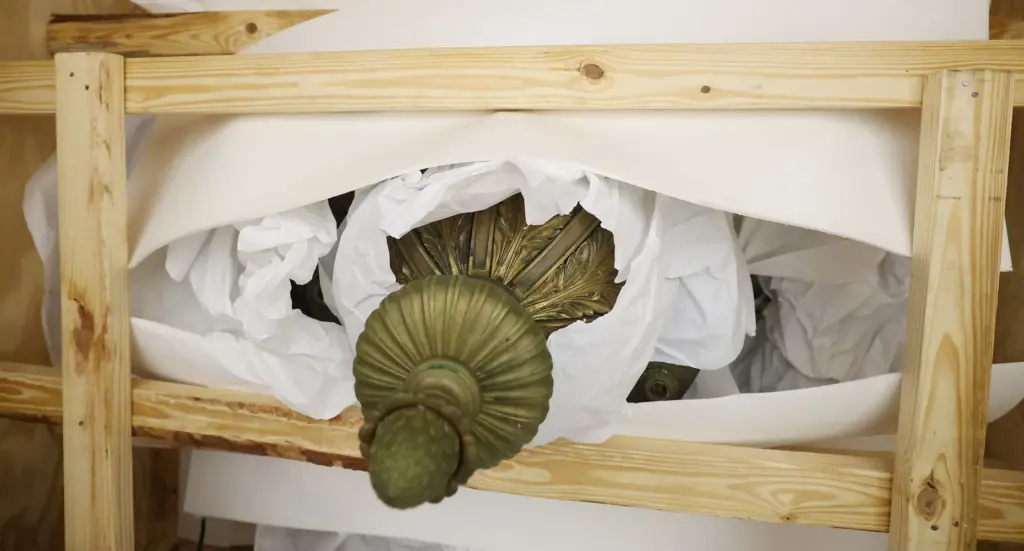 A chandelier that hung in the Pulse nightclub is among artifacts and items collected after the PULSE tragedy. Those items are pictured at a climate-controlled warehouse in Orlando on Tuesday, June 2, 2026. Pulse artifacts that have been carefully removed from the site, packaged for preservation and stored in custom crates, may soon be used for later display as part of the Pulse Memorial. (Stephen M. Dowell/Orlando Sentinel)
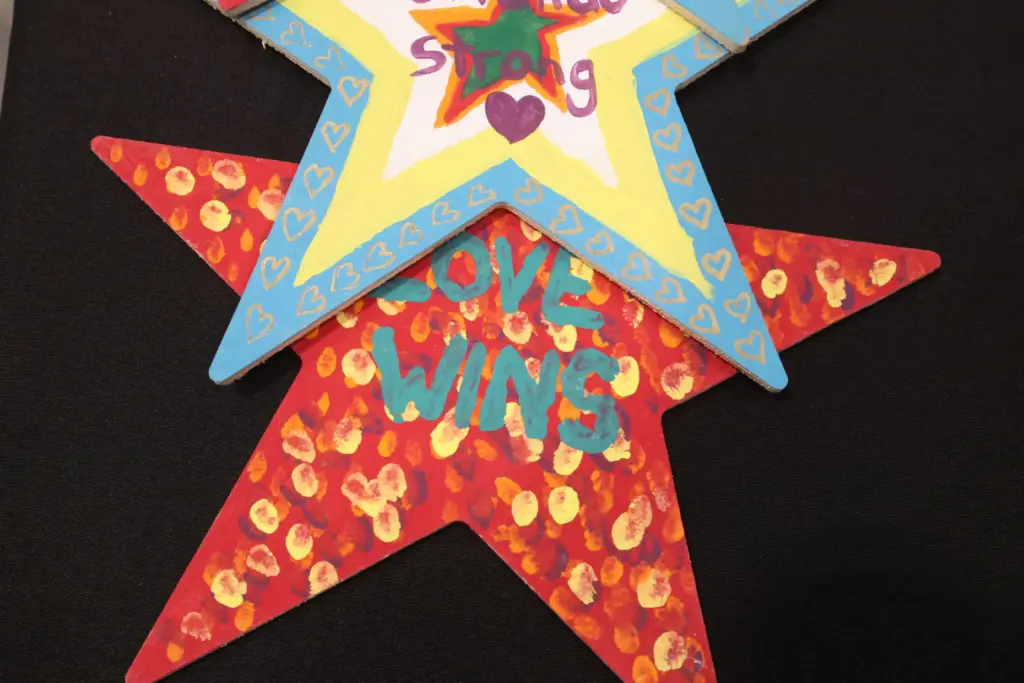 Painted star decorations with messages are among artifacts and items collected after the Pulse tragedy. Those items are pictured at a climate-controlled warehouse in Orlando on Tuesday, June 2, 2026. Pulse artifacts that have been carefully removed from the site, packaged for preservation and stored in custom crates, may soon be used for later display as part of the Pulse Memorial. (Stephen M. Dowell/Orlando Sentinel)
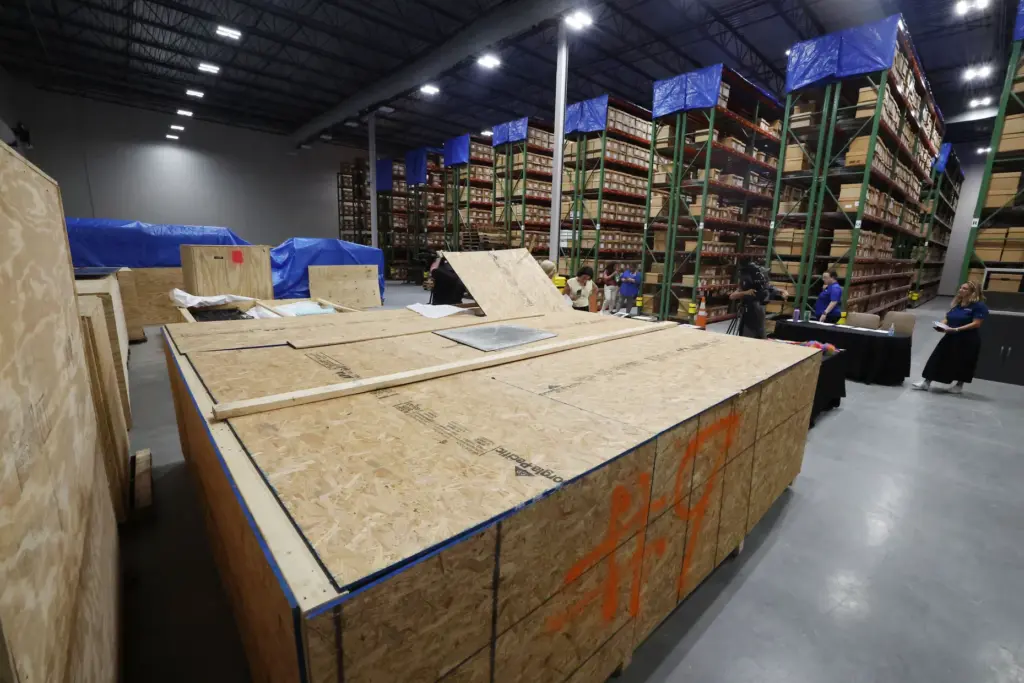 A large crate containing the Pulse sign is among artifacts and items collected after the PULSE tragedy. Those items are pictured at a climate-controlled warehouse in Orlando on Tuesday, June 2, 2026. Pulse artifacts that have been carefully removed from the site, packaged for preservation and stored in custom crates, may soon be used for later display as part of the Pulse Memorial. (Stephen M. Dowell/Orlando Sentinel)
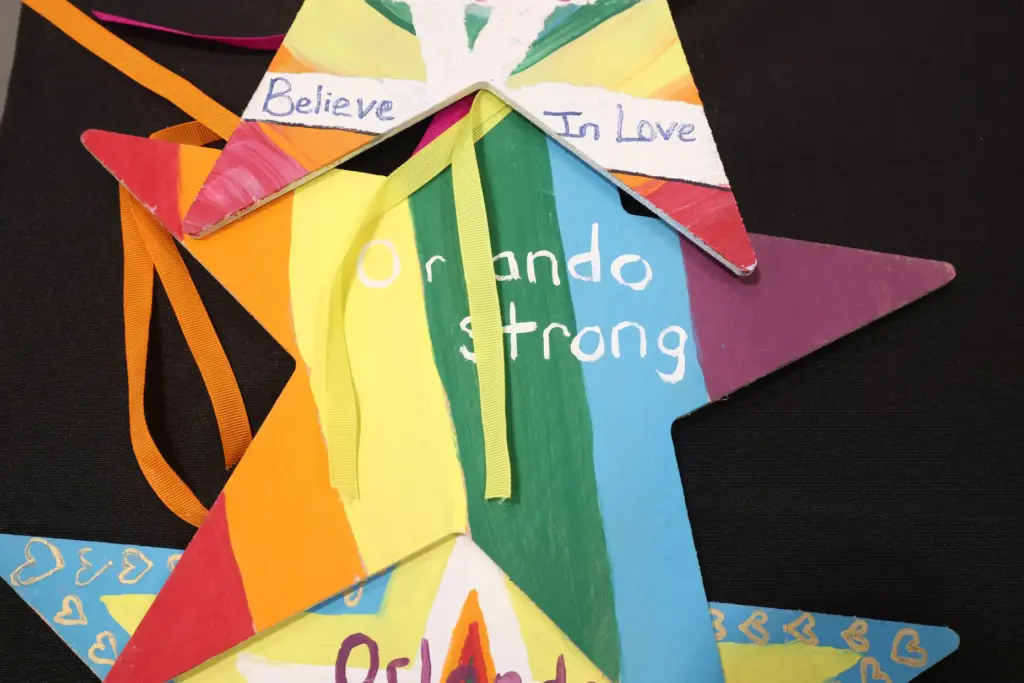 Painted star decorations with messages are among artifacts and items collected after the Pulse tragedy. Those items are pictured at a climate-controlled warehouse in Orlando on Tuesday, June 2, 2026. Pulse artifacts that have been carefully removed from the site, packaged for preservation and stored in custom crates, may soon be used for later display as part of the Pulse Memorial. (Stephen M. Dowell/Orlando Sentinel)
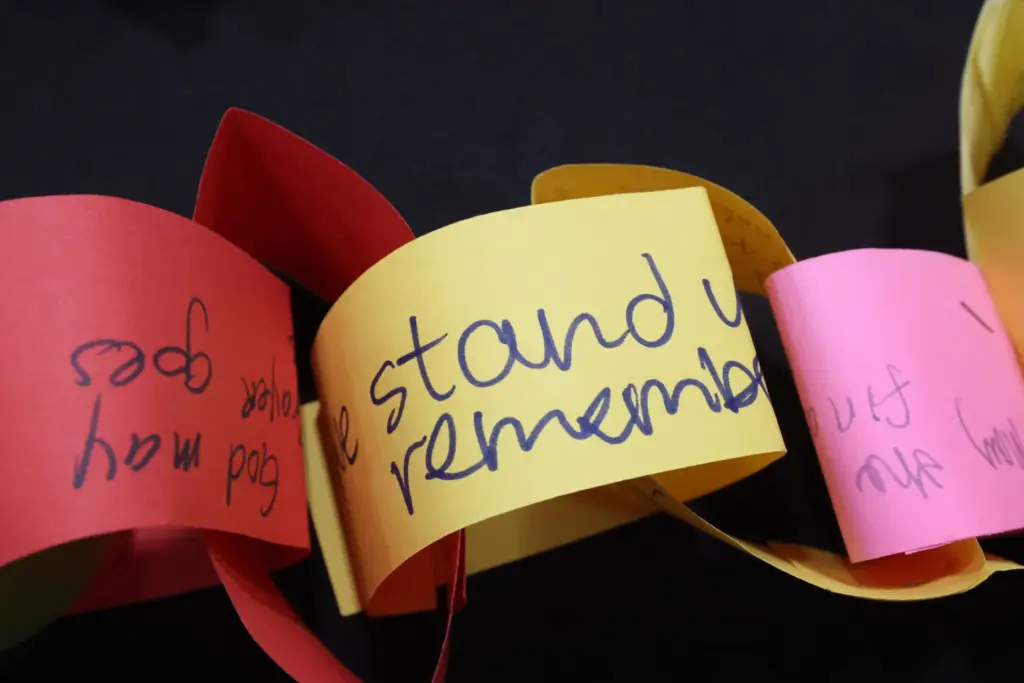 A paper chain with messages is among artifacts and items collected after the Pulse tragedy. Those items are pictured at a climate-controlled warehouse in Orlando on Tuesday, June 2, 2026. Pulse artifacts that have been carefully removed from the site, packaged for preservation and stored in custom crates, may soon be used for later display as part of the Pulse Memorial. (Stephen M. Dowell/Orlando Sentinel)
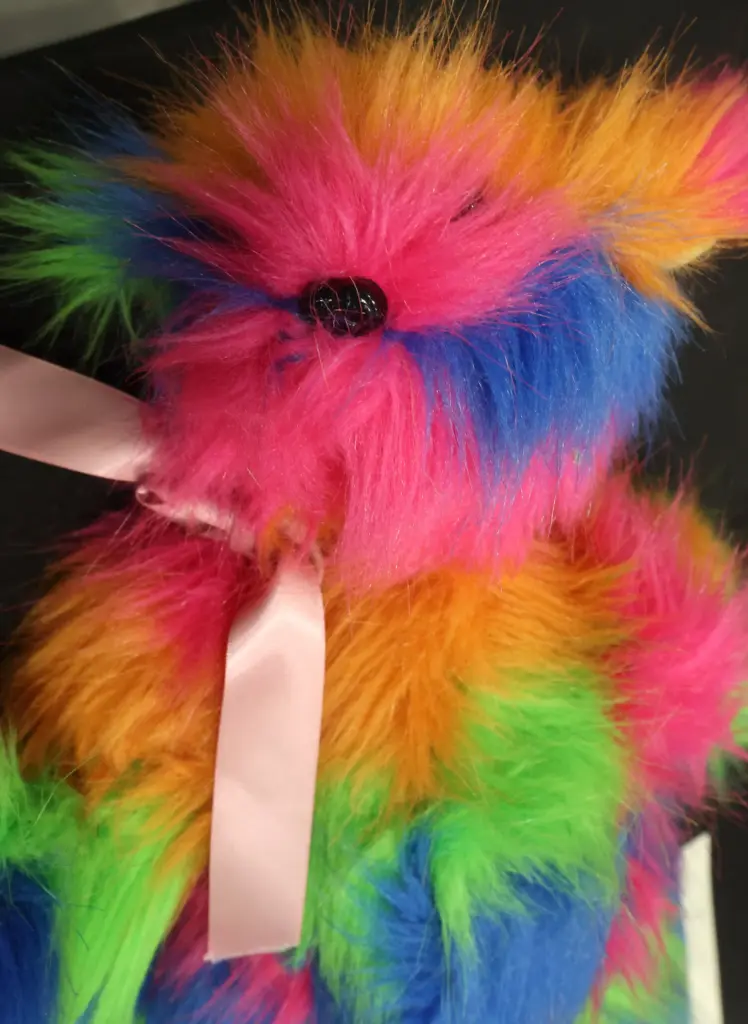 A colorful teddy bear is among artifacts and items collected after the Pulse tragedy. Those items are pictured at a climate-controlled warehouse in Orlando on Tuesday, June 2, 2026. Pulse artifacts that have been carefully removed from the site, packaged for preservation and stored in custom crates, may soon be used for later display as part of the Pulse Memorial. (Stephen M. Dowell/Orlando Sentinel)
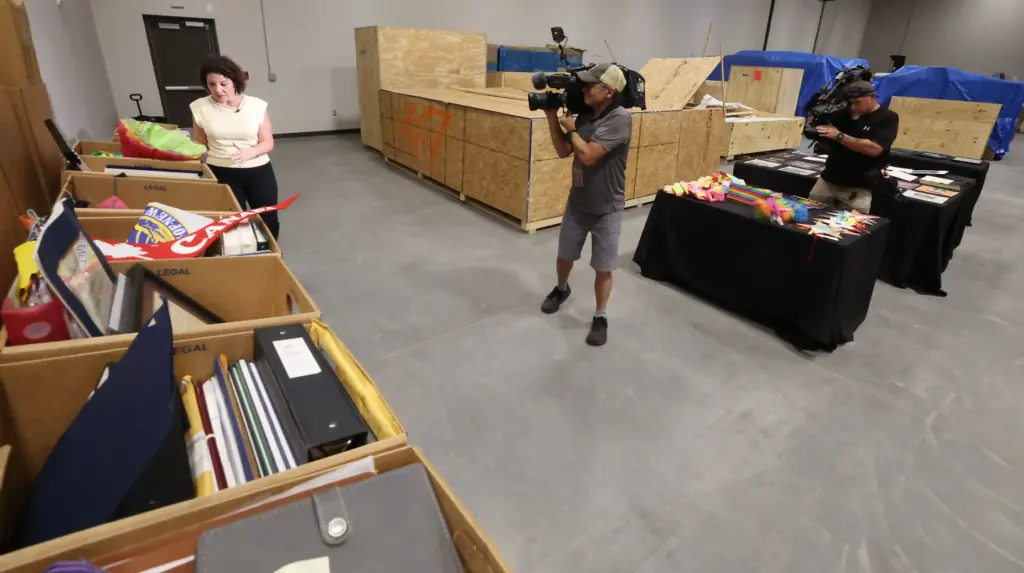 Media members view artifacts and items collected after the Pulse tragedy. Those items are pictured at a climate-controlled warehouse in Orlando on Tuesday, June 2, 2026. Pulse artifacts that have been carefully removed from the site, packaged for preservation and stored in custom crates, may soon be used for later display as part of the Pulse Memorial. (Stephen M. Dowell/Orlando Sentinel)
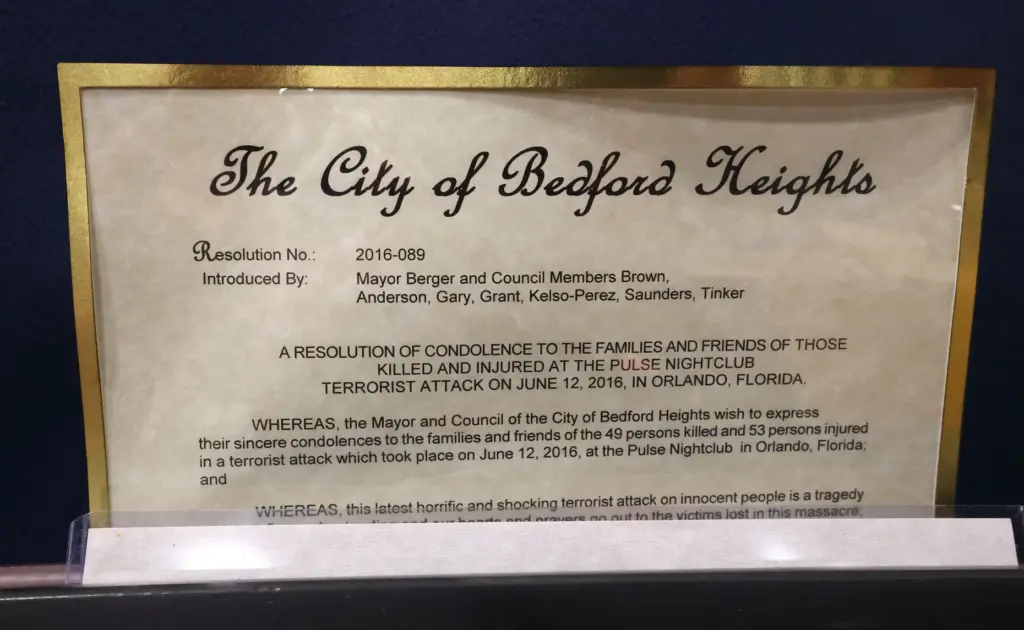 A resolution is among artifacts and items collected after the Pulse tragedy. Those items are pictured at a climate-controlled warehouse in Orlando on Tuesday, June 2, 2026. Pulse artifacts that have been carefully removed from the site, packaged for preservation and stored in custom crates, may soon be used for later display as part of the Pulse Memorial. (Stephen M. Dowell/Orlando Sentinel)
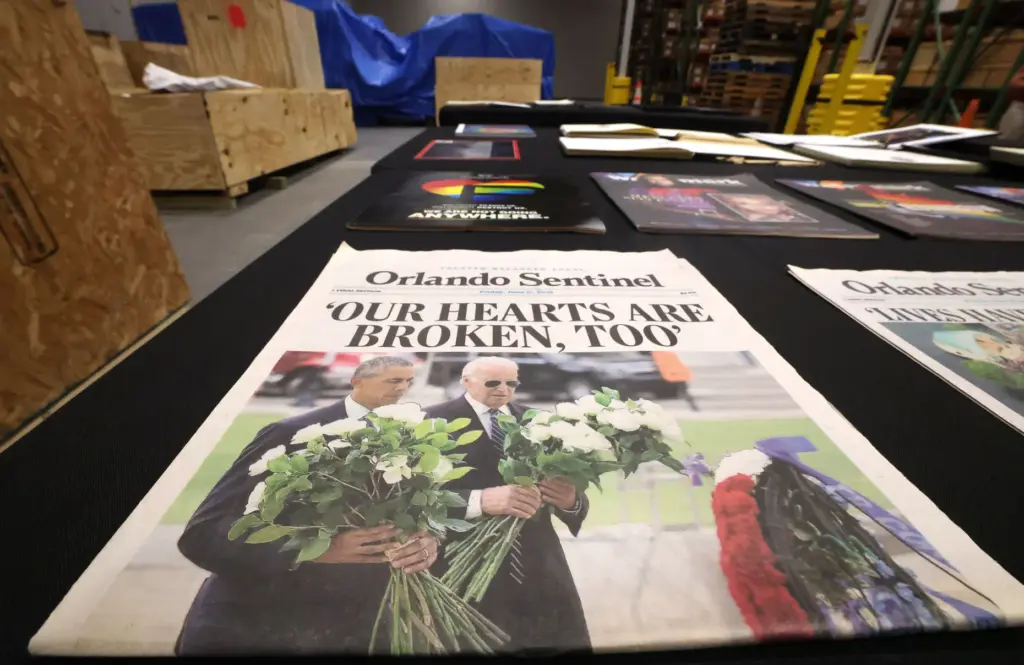 Front pages of the Orlando Sentinel are among artifacts and items collected after the Pulse tragedy. Those items are pictured at a climate-controlled warehouse in Orlando on Tuesday, June 2, 2026. Pulse artifacts that have been carefully removed from the site, packaged for preservation and stored in custom crates, may soon be used for later display as part of the Pulse Memorial. (Stephen M. Dowell/Orlando Sentinel)
But unity doesn’t work well for politicians looking to make waves. And some of those in Tallahassee began sowing seeds of division to advance their own causes and elevate their own profiles.
Ron DeSantis became Florida’s fracturer-in-chief with one slam after another against the LGBTQ community. There were assaults in schools, where inclusive language was demonized and outlawed. And in workplaces, where Republican lawmakers tried to silence private business owners who valued equality. It was a rat-a-tat-tat of rifts DeSantis reveled in widening and exploiting.
Finally, the assaults peaked last summer when the governor’s transportation department dispatched a road crew in the middle of the night to black out a rainbow-colored tribute to Orlando’s slaughtered souls in front of the shuttered club. It was literal erasure.
It was also “mind-boggling,” said Wolf. “To target a community that had already been through so much.”
Yet, once again, Orlando responded. With chalk, paintings and protests. The residents of Central Florida weren’t going to let the memories of these innocent victims fade any more than they would be defined by the politics of division.
“We sought to be defiantly inclusive,” said Wolf, who now works for Equality Florida. “We might be the antidote to what ails the country right now.”
I think he’s right.
A year after the shooting, families in Central Florida still used their front yards to display “Orlando United” signs of support — some weathered and tattered; others repainted multiple times. I knocked on some of their doors to ask why and learn who they were. They weren’t activists. They were simply humans. Mothers and fathers rocked by senseless tragedy and determined to respond with kindness, some saying they wanted to model something more aspirational for their children.
A family of four in Seminole County, for instance — one that had no connection to anyone involved in the shooting and who lived 10 miles away — said they just wanted to let the world know that Orlando still remembers. And cares.
Some might say this tragedy changed this community. But I think maybe it just showcased who we’ve long been.
Buddy Dyer sure believes so, based on this community’s immediate and instinctive response. “You couldn’t respond that way, with love and unity, if you weren’t already that way,” he said. “It’s in our DNA.”
Read more Scenes from Southern Fried: Camaraderie, culture and competition
And no amount of divisive politics from afar can change that.
Orlando after Pulse: Who we are, how we’ve changed