
America’s 250th anniversary also marks one year since President Trump’s Working Family Tax Cuts stopped a $4 trillion tax increase. Making it clear that this administration cares about supporting the job creators and American workers, not the bureaucrats in Washington, D.C. And as the SBA Southeast Regional Administrator, I’ve seen it firsthand that these tax cuts are changing how small businesses operate and grow across Central Florida.
Read more At the World Cup, Nike and Adidas duel over the future of soccer
We all know that for far too long, many small business owners felt like Washington, D.C., treated them as a revenue source rather than a priority. Higher taxes, complex regulations, and uncertainty made it harder to hire, invest and plan ahead. That is why President Trump decided to put an end to all that. Now with The Working Family Tax Cuts, families can keep more of what they earn. 97% of tax filers saw their tax bill decrease. That relief shows up in rent payments, grocery bills and local spending across Central Florida communities.
In Orlando, those changes are tangible. Hotel managers tell me that when workers keep more of their earnings, retention improves and shifts are easier to fill. With “No Federal Tax on Overtime and No Federal Tax on Tips,” employees across tourism and service industries are more willing to take extra hours during peak travel seasons, benefiting both workers and employers. Roughly 65% of workers across Florida are in occupations that are likely eligible for overtime and stand to benefit from the No Tax on Overtime provision, magnifying this impact.
Across the I-4 corridor, small manufacturers and logistics firms are taking advantage of full expensing for equipment. A family-owned fabrication shop in Seminole County can now invest in new machinery without waiting years to recover costs. These are practical decisions that lead directly to job creation and higher wages. But for small business owners, one of the most important changes is certainty. The now permanent 20% small business deduction allows LLCs, S corporations, and sole proprietors to plan for the long term. In a region like Orlando, where there are over 76,000 small businesses that call it home, that stability matters. Owners can expand, hire, and invest without worrying that a future policy shift will upend their plans.
The law also encourages investment in innovation and growth. Immediate expensing for equipment and domestic research and development gives businesses confidence to act now. On the Space Coast and throughout Central Florida’s growing aerospace and tech sectors, that means more opportunities to compete globally while keeping talent local. And a big part in keeping local talent is to make sure that we are taking care of the family structure. The Child Tax Credit is helping support young families managing the high cost of living in fast growing areas like Orlando. It also gives children a financial headstart with the creation of Trump Accounts. It even helps retirees across the state of Florida with the $6,000 Social Security deduction meaning that they have more money to give back to the local economy. But most importantly, it helps those family-owned businesses and assets pass on to the next generation by permanent relief from the death tax, so now families aren’t forced to sell what they have worked hard to build.
Read more Wednesday has fewer storms but a few could develop in the afternoon
Lower taxes do more than improve balance sheets. When a theme park worker picks up an extra shift or a restaurant server brings home more tips, that money circulates through the local economy — supporting small businesses and creating more opportunities for everyone to live the American Dream.
As SBA Regional Administrator, I remain focused on supporting policies that promote growth, stability and opportunity across Central Florida. One year in, the impact is clear across Orlando and beyond. When we keep the federal government out of your pocketbooks, families keep more of their income and small businesses have the freedom to invest and grow, and communities thrive. That is a fitting way to mark our nation’s 250th year.
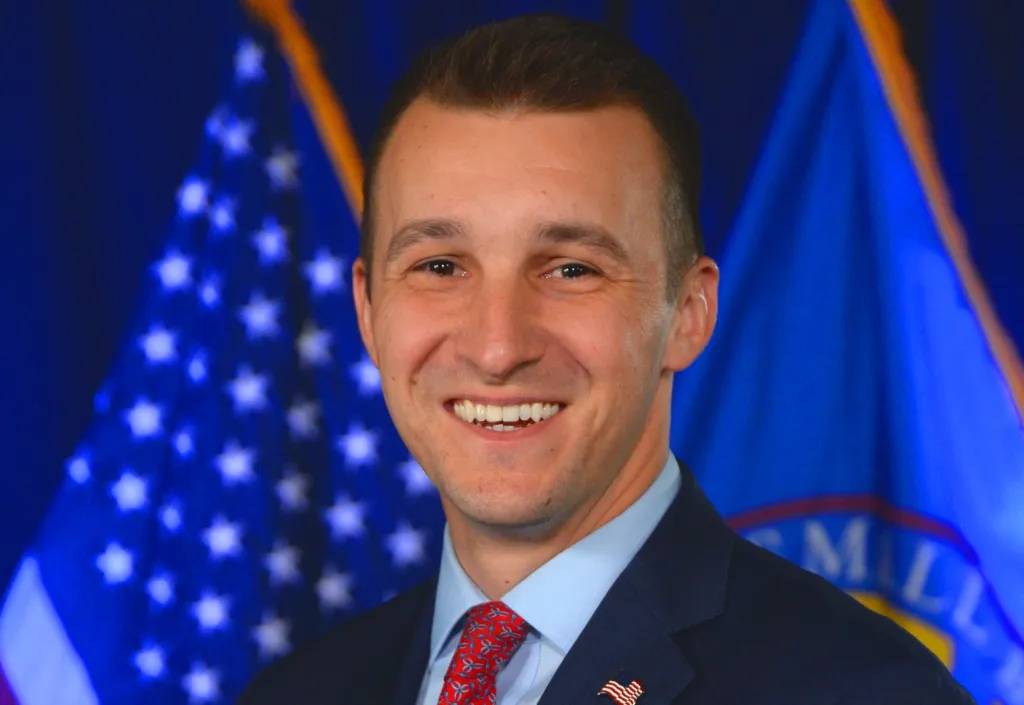
Tyler Teresa is the Southeast Regional Administrator for the U.S. Small Business Administration.
Read more Health inspections lead to 5 Central Florida restaurant shutdowns