
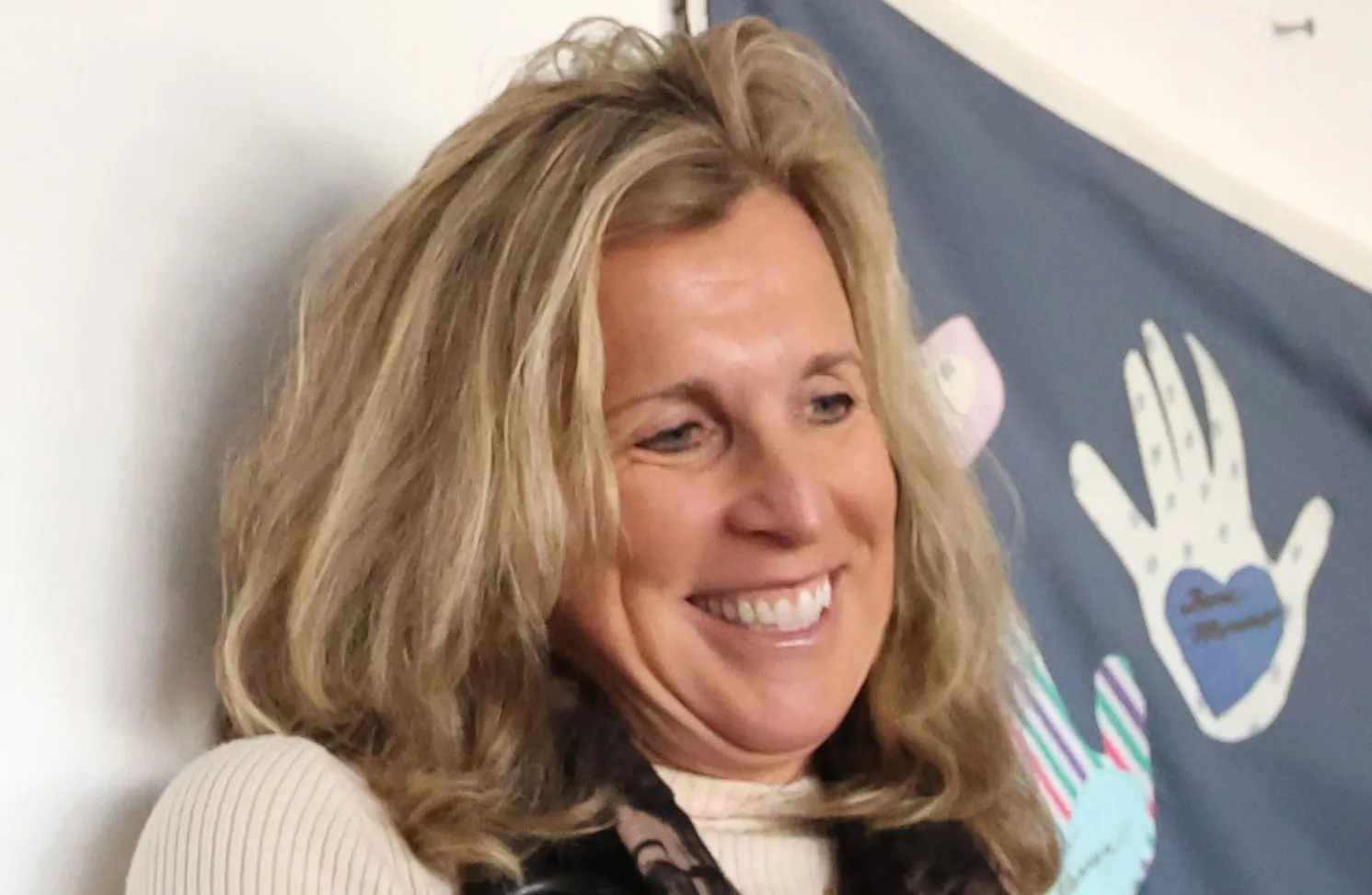
As a primary care provider at a street medicine clinic located on the campus of a homeless day center in Orlando, I see the health effects of chronic homelessness daily. One of my patients — a man who has been chronically homeless for years — came to see me recently having lost a significant amount of weight. To a primary care provider, unexplained weight loss is an alarm bell. I started mapping out the tests and referrals I would order to rule out something serious. Then he told me, plainly, what was wrong: most days, one meal is all he has.
Read more Letters: 2 executions too much for prison workers | Data center bait-and-switch
He is not the only one. Over the past several months, I have watched a growing number of my patients lose weight for the same reason. When I ask, the answer is almost always the same — they are down to one meal a day now, because their food assistance no longer stretches far enough.
What changed is no mystery. In July 2025, Congress passed HR 1, which cut federal funding for the Supplemental Nutrition Assistance Program — SNAP, what many of us still call food stamps — by roughly $187 billion over the next decade. It is the largest cut to the program in its history. SNAP is the single most important tool this country has for fighting hunger, and millions of Americans have already lost some or all of their benefits as the law takes effect.
Florida’s most vulnerable residents are absorbing these cuts in a state that keeps turning down help. For the third summer in a row, Florida has declined to join the federal Summer EBT program — known as SUN Bucks — which would have put grocery money in families’ hands to feed roughly 2.1 million low-income children when school meals disappear over the break. In 2025 alone, that decision left about $259 million in federal food aid on the table. For these children, a summer without school meals can mean a summer without enough to eat.
For people experiencing homelessness, the cuts land even harder. Without a kitchen, a refrigerator, or a reliable place to store and prepare food, eating well is already a daily struggle, and SNAP benefits are stretched to their limit. When those benefits shrink, the result is fewer meals, poorer nutrition, and more days spent choosing between food and the other necessities of survival — transportation, hygiene, medication.
These are often the people who can least afford to go hungry. Many of my patients live with diabetes, heart disease or high blood pressure — conditions that demand not just medication but steady, decent nutrition. A patient with diabetes who cannot afford healthy food struggles to keep blood sugar in a safe range. A patient with heart disease, left with only cheap processed food, watches the condition worsen. Hunger is not only a terrible feeling, it shows up in my patients’ bloodwork, in repeated emergency room visits and prolonged hospitalizations.
Read more As North America grapples with destructive wildfires, ‘super’ El Niño may offer hope
This topic is often missing from the budget debate. Food insecurity drives up emergency room visits, hospitalizations and healthcare costs that the whole community ends up paying. Preventing hunger is not only an act of compassion, it is one of the most practical public health investments we can make.
Public policy reflects what we value. When we take food from the plates of homeless seniors and low-income children in one of the most prosperous regions of the country, we are saying something about whose lives count. We can do better than that.
So here is what we can do: Support local food pantries and organizations that feed our neighbors — give to them, volunteer with them, keep them strong. In addition, we need to acknowledge that charity alone cannot close a gap this size: for every nine meals SNAP provides, food banks can offer only about one. The deeper fix is not in the pantry line, it is on the ballot.
This November, the people who decide whether Florida accepts federal food aid, and the people who shape the future of SNAP, are the ones we choose. The true cost of these cuts will not be measured in budget savings, it will be measured in my exam room — in patients quietly, steadily going hungry — and it will be measured at the ballot box, by all of us willing to do something about it.
Pia Valvassori is a lead clinician for the Health Care Center for the Homeless in Orlando.