
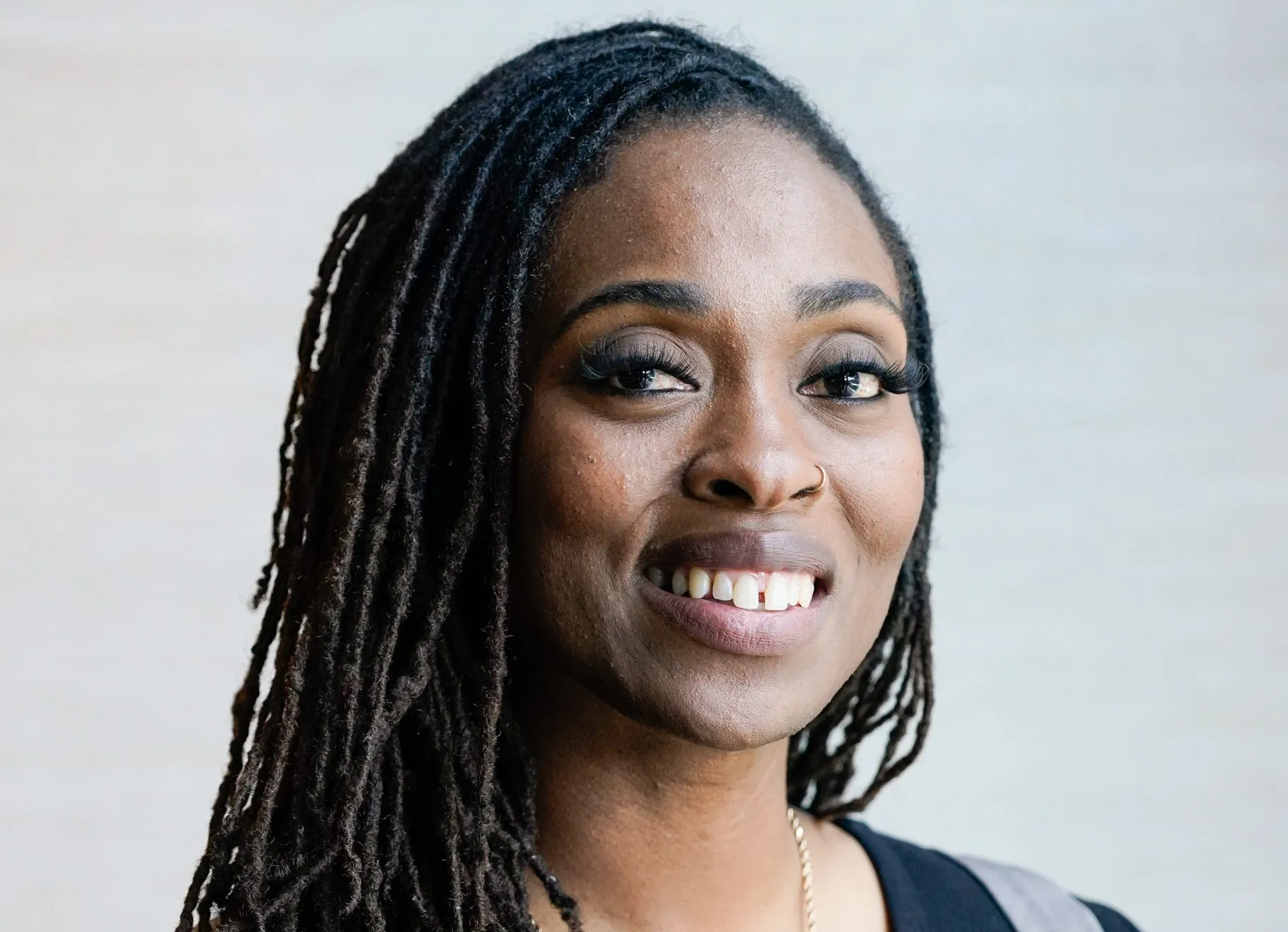
I’ve survived cancer twice — I was diagnosed with leukemia at 21, and again at 25. What I’ve learned is this: surviving cancer and living with it, both before and after treatment, are two very different things. Too often, patients are left to figure that out alone.
Read more Miami Hurricanes picked as overwhelming favorite to win the ACC
Cancer care is often defined by treatment — chemo, radiation, hospital stays — but what’s less understood is that care should never be limited to treating the disease alone. From the very beginning, patients need support that addresses the full impact of cancer on their lives.
Cancer didn’t just interrupt my life — it changed it completely. My entire 20s were spent in treatment. By the time I reached my 30s, I wasn’t just a survivor. I was starting over, trying to build a life while managing the long-term effects of everything my body had been through.
Florida sees more than 150,000 new cancer cases reported each year, making it one of the largest cancer populations in the country. At any given time, more than 200,000 Floridians are in treatment. That’s hundreds of thousands of people who need care that supports them at every stage, from diagnosis through survivorship. But the system hasn’t caught up to that reality.
When I finished active treatment, I still had lingering side effects like chronic fatigue, chronic graft-versus-host disease, infertility and the emotional challenge of rebuilding my life after cancer. At the same time, I became a caregiver for my mother and worked multiple jobs to provide for my family. There was no roadmap for how to manage all of that along with my own health.
That’s where supportive cancer care comes in. It addresses everything around the disease: the emotional toll, financial strain, long-term side effects, and the challenge of rebuilding life during and after treatment — not as separate issues, but as part of the care plan from day one.
Recently, I joined other patients, caregivers and providers in Washington, D.C., for the Support Is Care Summit, part of a national effort to elevate the importance of supportive cancer care. I shared my experience alongside others from across the country, meeting directly with policymakers to highlight what life with, and after, cancer really looks like. The Summit underscored a simple truth: Supportive cancer care is not an optional add-on. It is essential to high-quality cancer care.
But in my experience, this kind of support wasn’t clearly offered. It was something I had to fight for and piece together on my own. I had incredible providers in Florida who treated me as a person, not just a diagnosis. But the kind of support that should have followed me throughout my journey — from diagnosis through treatment and into survivorship — wasn’t consistently there.
Read more Daily Horoscope for July 29, 2026
Even now, I have to fight for basic follow-up care, whether managing side effects or navigating insurance. Cancer care shouldn’t require this level of advocacy.
Research and state data show cancer rates are rising among young adults in Florida, increasing by about 15% over a decade among people in their 20s and 30s. We’re surviving cancer more than ever, but we’re also living longer with its consequences. Cancer affects your ability to have children, your finances, your career, and your relationships.
I went into menopause at 25. I didn’t have the opportunity to preserve my fertility. I’ve had to make real decisions about which doctors I can afford to see and which I have to wait on.
That’s not what comprehensive cancer care should look like.
Supportive cancer care, to me, is simple: it’s the difference between being treated for cancer and being supported through it. It means having a plan that evolves with you and helps guide you at every stage. When this kind of care is missing, patients fall through the cracks, and in a state where cancer rates are slightly higher than the national average, that gap matters even more.
Florida has the opportunity to lead — not just in treating cancer, but in supporting people from day one through survivorship. That means making the concept of supportive cancer care a standard, not something patients have to ask for: because patients shouldn’t have to fight this hard to be supported.
Amanda Brunson is a two-time leukemia survivor and bone marrow transplant recipient based in Orlando. She is a storyteller with the Biller Family Foundation’s Support Is Care campaign, using her lived experience to advocate for better Supportive Cancer Care for patients and survivors.
Read more Senate confirms Jay Clayton as nation’s intelligence director