
As children, many of us were raised on the notion of eternal, benevolent snooping, somebody who saw us when we were sleeping and knew when we were awake — and who was prepared to bring toys commensurate with whether we had been naughty or nice.
Read more Barry Manilow, Journey, Jonas Brothers and the biggest concerts of the season
Of course it didn’t take long for us to understand that Santa surveillance was a work of fiction. Humans grew to expect a level of privacy, even in crowded cities where tens of thousands of people cram into a few square miles of downtown. But now Americans worry that they’re going to have to tweak their thinking to encompass a different version of an all-watchful eye — one that isn’t assessing our worthiness for a new football or Malibu Barbie, one that carries far more potential for punishment over reward.
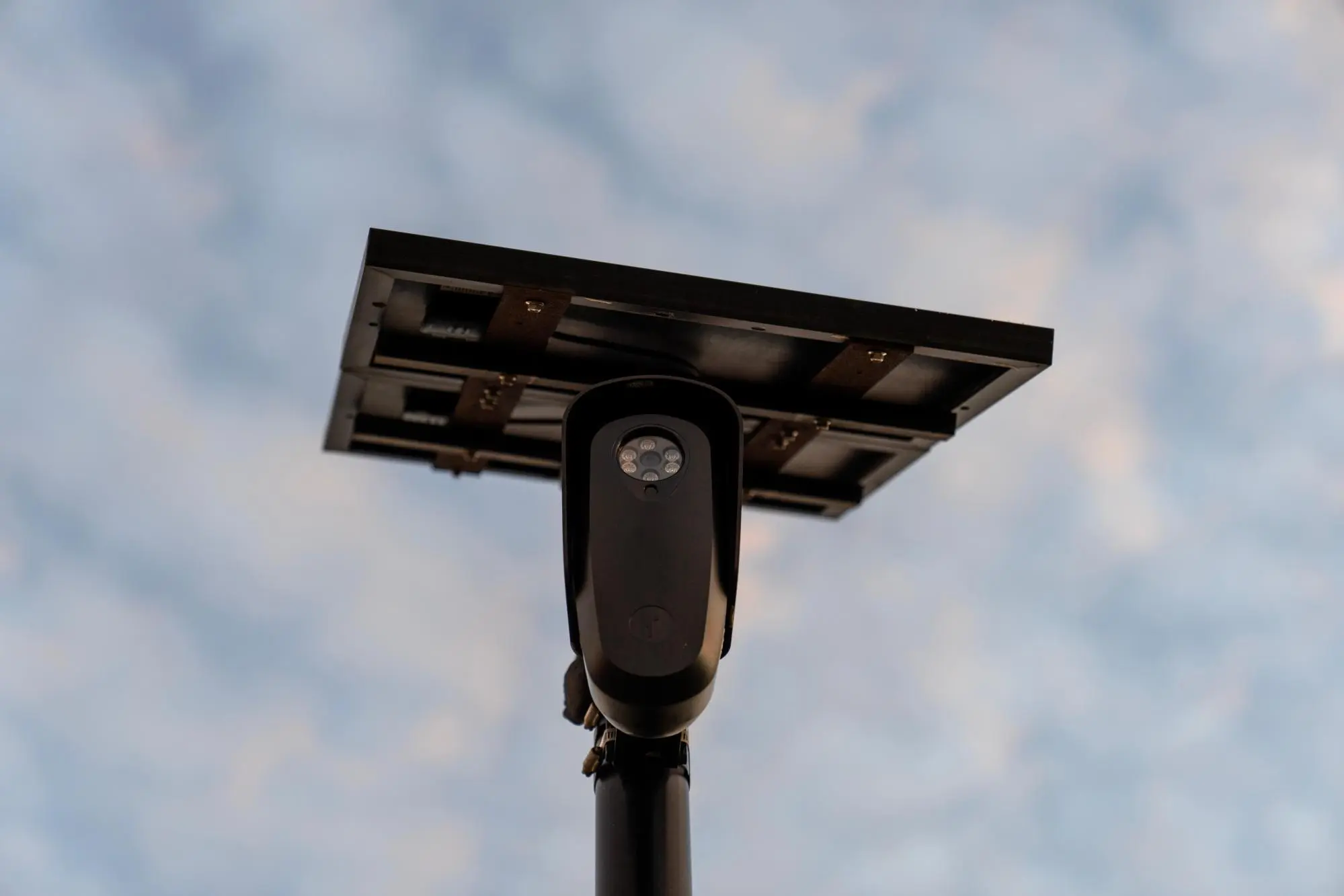
And that punishment can take many forms. The potential for people to get caught misbehaving in the moment — speeding in a school zone, driving with a suspended license — is vastly increased. But the new fleets of street cameras, which couple high-resolution video and license-plate readers with artificial intelligence, are producing detailed, archivable records of where people have been — and making it easier to predict where they might go, with every scrap of information flowing into a giant pools of data that are often easily tied back to individual Americans. The next frontier is sound, and some AI-enhanced cameras is already capable of recognizing “auditory disturbances” such as gunshots, automobile crashes and other noises. For now, however, the company that produces Flock cameras is holding off on technology that can register screaming and perhaps even speech.
Flock, the biggest purveyor of surveillance cameras and license-plate readers, says it does not sell or exploit that data itself, and is taking steps to limit the potential for abuse. Many Americans don’t believe that. In a way, it’s immaterial; the reams of information the cameras churn out each day are all owned by somebody, often law enforcement. And they are revealing things about people that many might not want to divulge: Whether they have been visiting a mental-health professional on a weekly basis — or a local bar on a nightly one.
There’s no need to speculate whether these silos of personal information might be misused, because they already are. Last year, the Electronic Frontier Foundation completed a review of more than 12 million searches logged by more than 3,900 agencies between December 2024 and October 2025. They found offenses that strike against some of this nation’s fundamental liberties — such as dozens of searches intended to identify people who participated in constitutionally protected political protests, or queries that sorted people by their ethnic backgrounds — including dozens of searches that sought information about people of Romani descent, using the derogatory word “gypsy.” And these are official activities. Police and other people with access to Flock cameras have been caught digging into surveillance data to track their own friends and family members: A USA Today investigation revealed abuses across the nation, including a Sarasota police officer who used camera data at least 335 times to track his ex-girlfriend’s car. That series revealed just how little many local police departments are doing to make sure street-camera data is not being abused.
That’s why some groups, like the ACLU of Florida, are calling for an outright ban on the use of cameras. Every Floridian has the right to travel freely without being surveilled by the government,” said Kara Gross, the group’s policy and advocacy director.
Read more Daily Horoscope for September 01, 2026
There are bigger concerns here, including the potential reality that the data collected by these cameras is only one tributary feeding into a much deeper pool of information that’s quietly being collected and monetized. Our web-search history. Our credit-card usage. Our work records. Not only is this data being collected, repackaged and sold, in many cases it’s being used to train artificial intelligence engines: A few weeks ago, Google bid $10 million to buy millions of employee emails and online chats from the defunct Spirit Airlines (including around 4,000 based in Broward County) with only vaguely defined parameters as how the data will be used. It’s supposed to be scrubbed of personally identifiable markers, but how deep will that go?
Right now, the focus is on the on-the-street surveillance cameras, and it’s good to see so many Florida leaders expressing concern. That includes Gov. Ron DeSantis, who says the cameras are “out of control,” and state Rep. Anna V. Eskamani, D-Orlando — are trying to get ahead of the cameras before they become too entrenched. Wednesday, Eskamani plans an online discussion of law and policy surrounding surveillance cameras that will include experts from the EFF and other groups; she hopes law enforcement will also join in. You can find the link on our website, or Google “Flock Off: Surveillance is NOT Safety” to register.
As always, there are those who smugly proclaim that people who behave themselves don’t have anything to worry about when letting their life under the microscope, and there is no doubt that AI-powered cameras have provided critical evidence at times that helped bring evil-doers to justice. But there is also no doubt that this is powerful, disruptive technology. Gaining a complete picture of what this increased surveillance can do, and determining how far it will be permitted to go, is essential.
The Orlando Sentinel Editorial Board consists of Opinion Editor Krys Fluker, Executive Editor Roger Simmons and Viewpoints Editor Jay Reddick. Use [email protected] to contact us.
Read more Robert Stock’s first major league win in 7 years lifts Mets past Rays, 3-2