
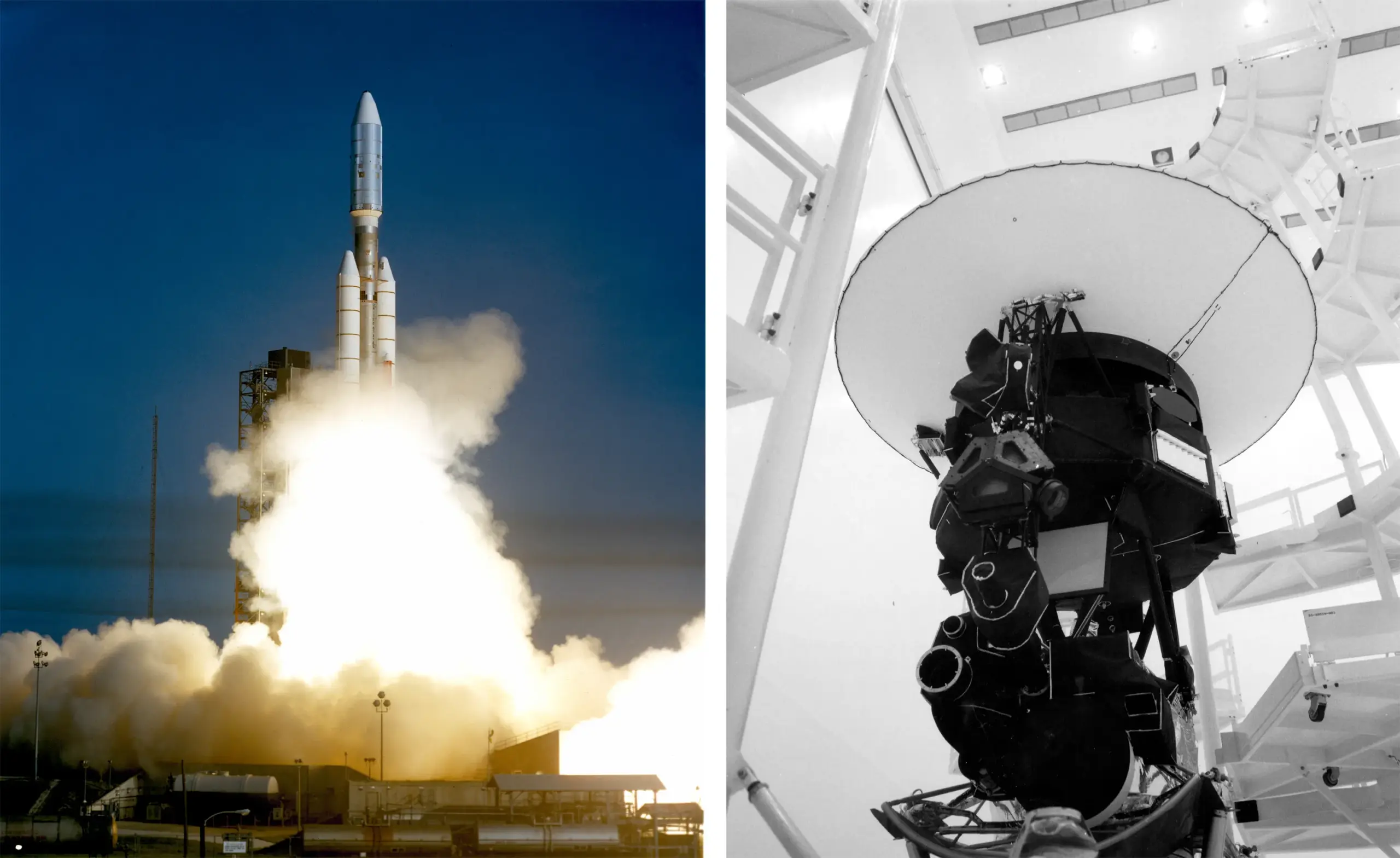
It was 49 years ago on Labor Day that Voyager 1 began a journey that has so far taken it farther from Earth than any other human-made spacecraft.
Read more North Korea adds second naval destroyer as US, South Korea and Japan hold military exercise
Even though it was named Voyager 1, it was actually the second of the Voyager probes to launch. It lifted off on Monday, Sept. 5, 1977, from what was then called Cape Canaveral Air Force Base’s Launch Complex 41, where United Launch Alliance flies its missions today.
Voyager 2 had launched two weeks prior, but Voyager 1 was the first to leave the solar system, exiting the heliosphere into interstellar space on Aug. 25, 2012. Voyager 2 joined its sister probe in interstellar space on Nov. 5, 2018.
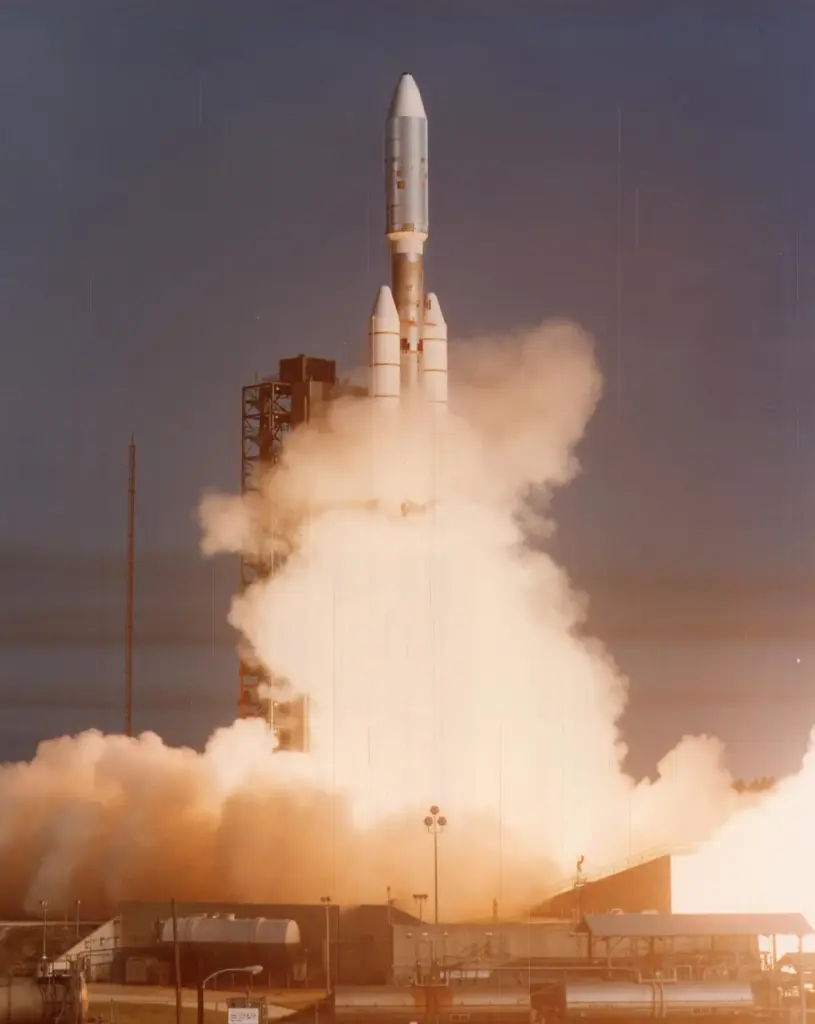 Voyager 1 was launched atop Titan-Centaur-6 at Cape Canaveral’s Launch Complex 41 at 8:56 a.m. on Sept. 5, 1977, joining its sister spacecraft, Voyager 2, on a mission to the outer planets. (NASA)
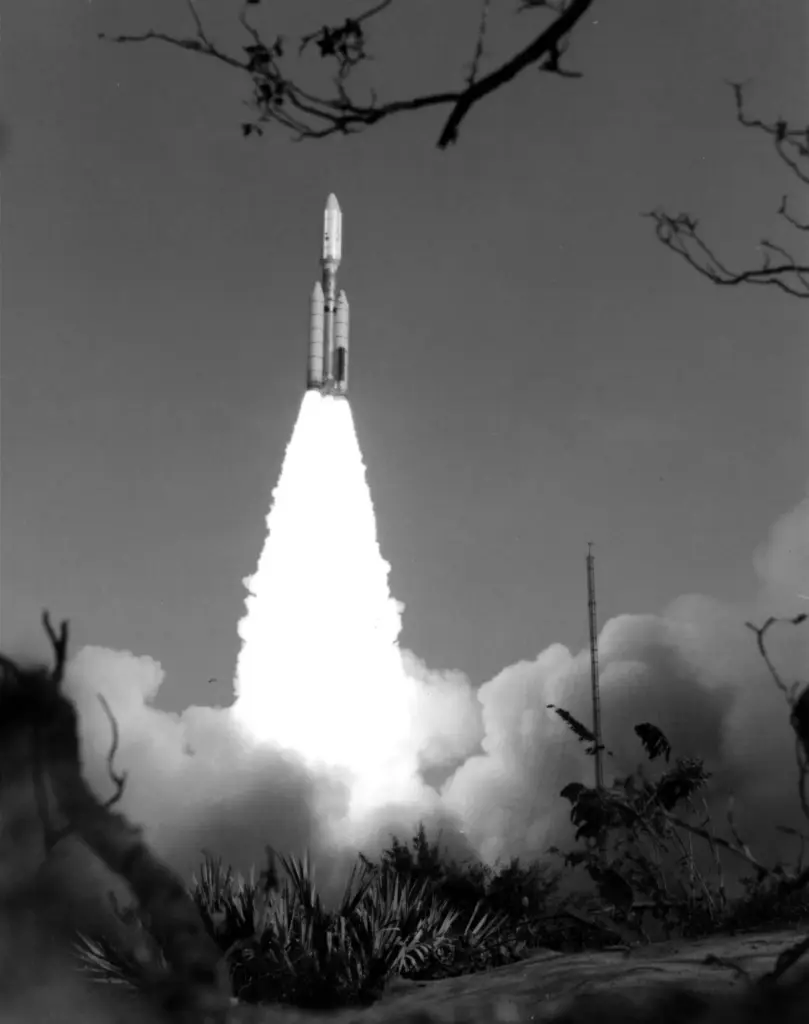 Voyager 1 was launched atop Titan-Centaur-6 at Cape Canaveral’s Launch Complex 41 at 8:56 a.m. on Sept. 5, 1977, joining its sister spacecraft, Voyager 2, on a mission to the outer planets. (NASA)
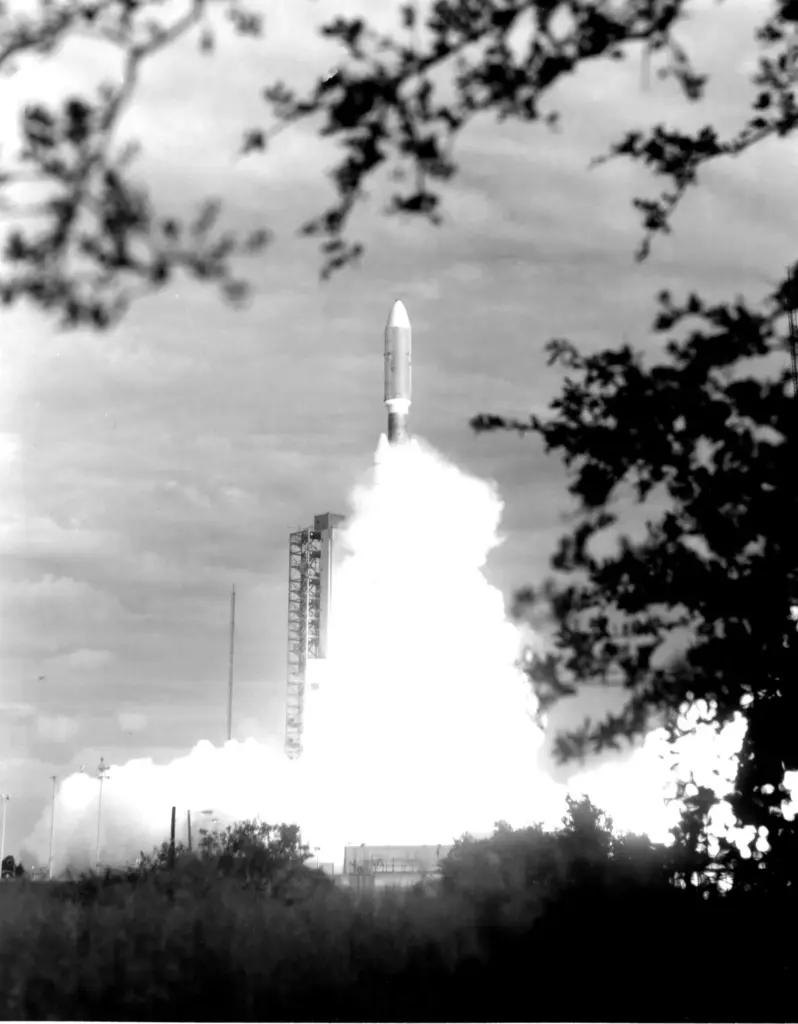 Voyager 1 was launched atop Titan-Centaur-6 at Cape Canaveral’s Launch Complex 41 at 8:56 a.m. on Sept. 5, 1977, joining its sister spacecraft, Voyager 2, on a mission to the outer planets. (NASA)
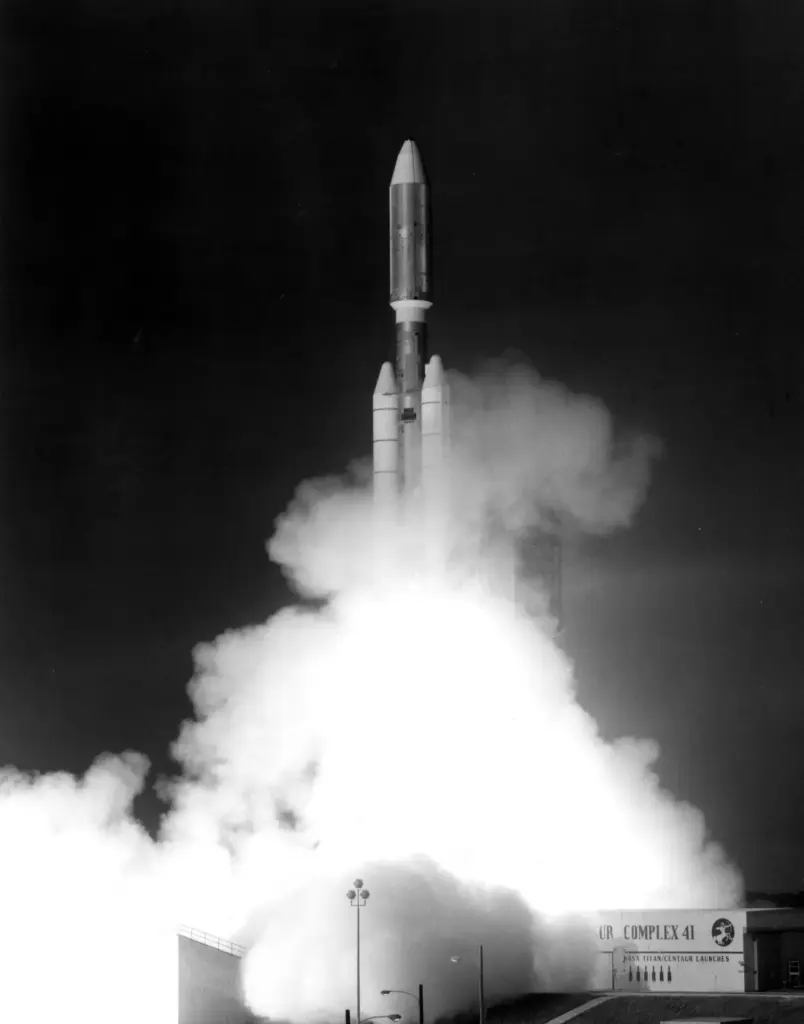 Voyager 1 was launched atop Titan-Centaur-6 at Cape Canaveral’s Launch Complex 41 at 8:56 a.m. on Sept. 5, 1977, joining its sister spacecraft, Voyager 2, on a mission to the outer planets. (NASA)
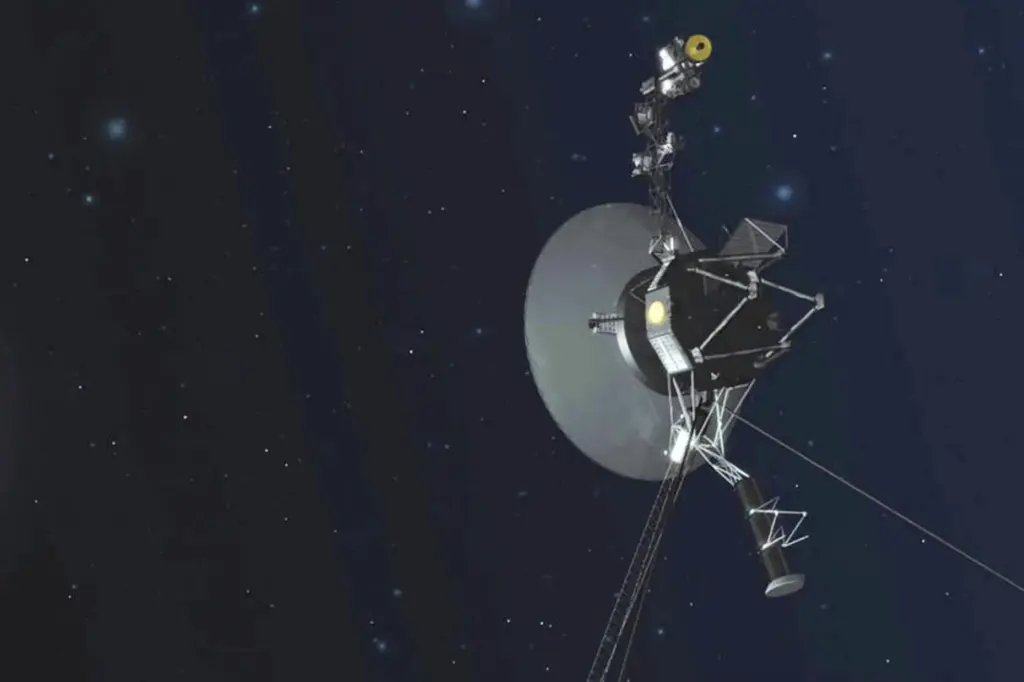 FILE – This illustration provided by NASA depicts Voyager 1. (NASA via AP, File)
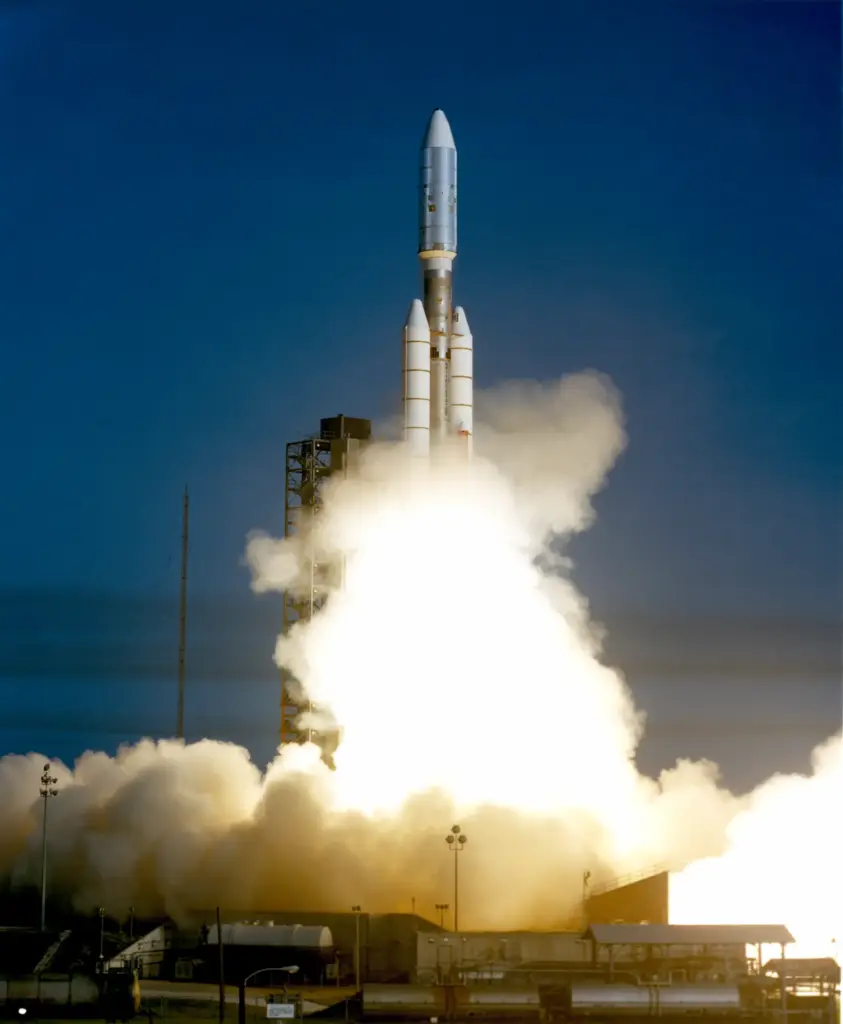 Voyager 1 was launched atop Titan-Centaur-6 at Cape Canaveral’s Launch Complex 41 at 8:56 a.m. on Sept. 5, 1977, joining its sister spacecraft, Voyager 2, on a mission to the outer planets. (NASA)
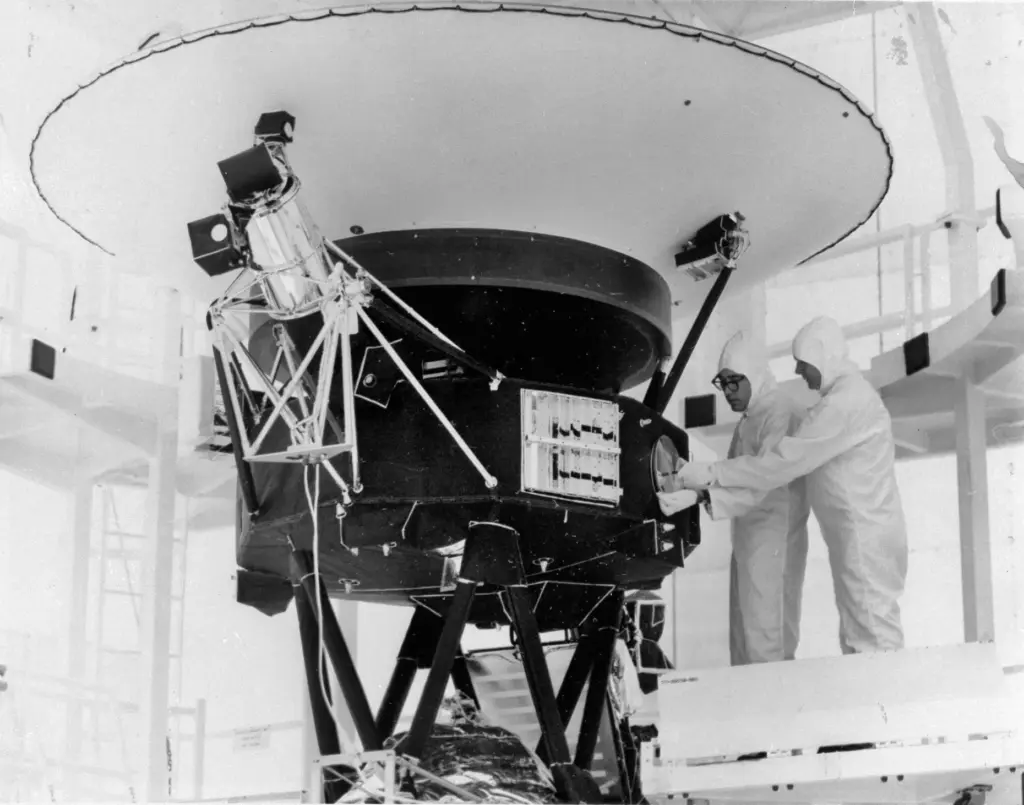 FILE – In this Aug. 4, 1977, photo provided by NASA, the “Sounds of Earth” record is mounted on the Voyager 2 spacecraft in the Safe-1 Building at the Kennedy Space Center, Fla., prior to encapsulation in the protective shroud. After days of silence, NASA has heard from Voyager 2, more than 12 billion miles away in interstellar space. Flight controllers accidentally sent a wrong command nearly two weeks ago that tilted the spacecraft’s antenna away from Earth and severed contact. The project manager said Tuesday, Aug. 1, 2023 that the fact that the Deep Space Network has picked up a “heartbeat signal” means the 46-year-old craft is alive and operating. (AP Photo/NASA, File)
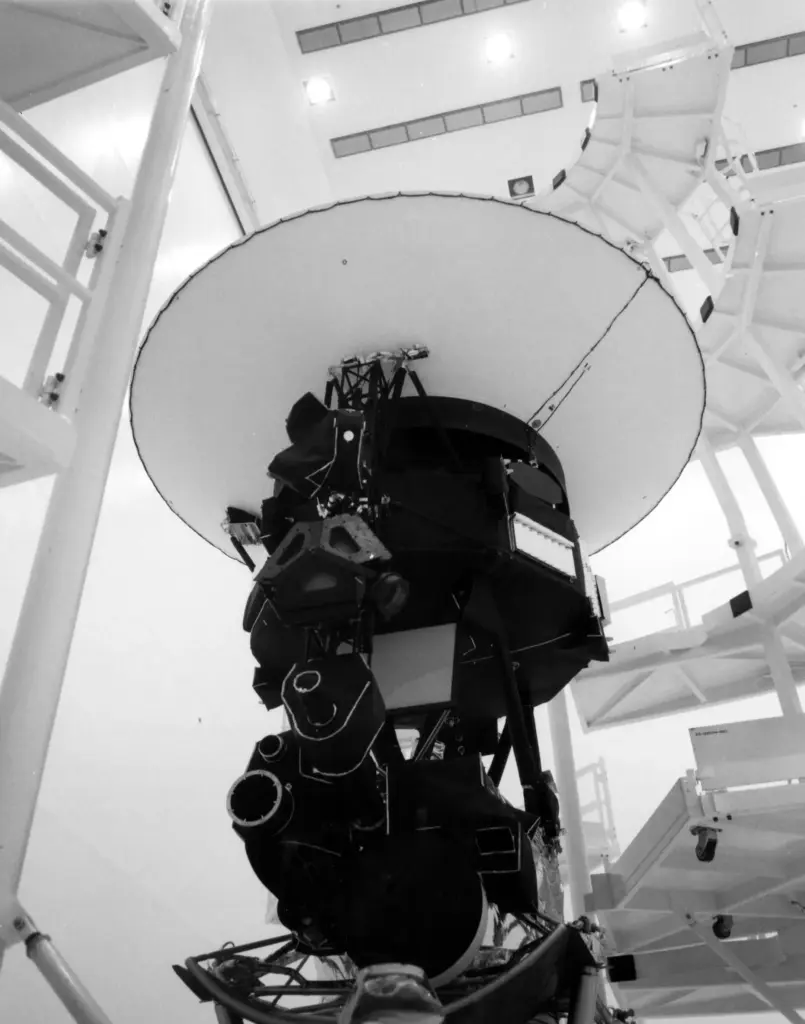 The Voyager 1 spacecraft was re-encapsulated within its payload in Spacecraft Assembly and Encapsulation Facility-1 on Aug. 27, 1977. The spacecraft was mated with Titan-Centaur-6 at Cape Canaveral’s Launch Complex 41 later that week for its eventual launch on Sept. 5. (NASA)
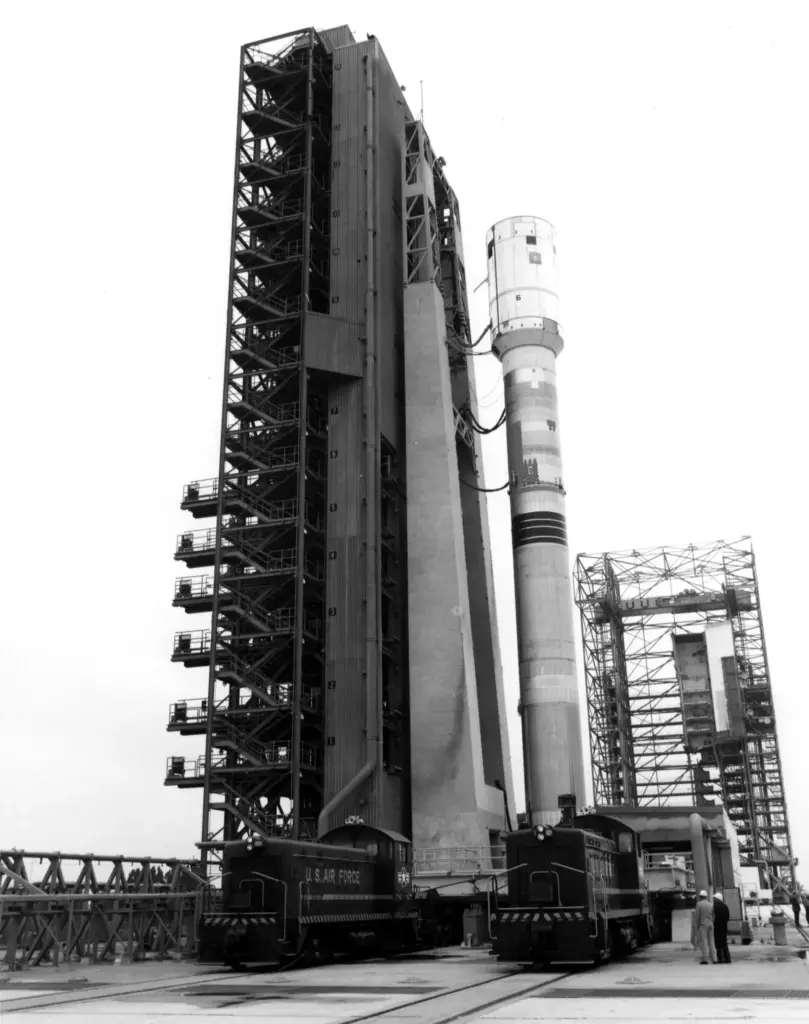 The Titan/Centaur-6 launch vehicle was moved to Launch Complex 41 at Kennedy Space Center in Florida to complete checkout procedures in preparation for launch. The photo is dated January 1977. This launch vehicle carried Voyager 1 into space on September 5, 1977. (NASA/JPL-Caltech/KSC)
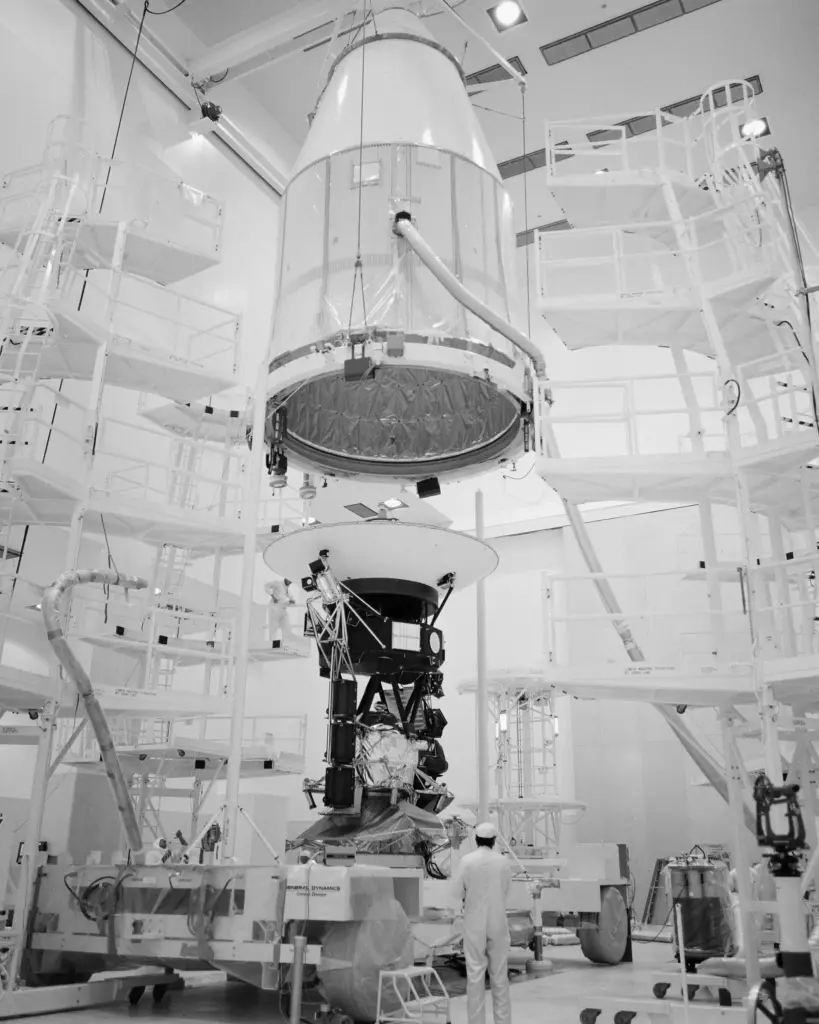 At the Spacecraft Assembly and Encapsulation Facility-1 at the Kennedy Space Center in Florida, the Voyager 2 spacecraft for the first of two missions to be launched toward the outer planets was encapsulated within the payload fairing which will protect it during launch. The 1,800 pound spacecraft is to be mated with Titan-Centaur 7 at Launch Complex 41 and sent on a mission to Jupiter and Saturn no earlier than Aug. 20, 1977. Voyager 1 would launch on Sept. 5, 1977. (NASA)
According to NASA, Voyager 1 will be 16.094 billion miles away from Earth on Nov. 18 — which is unique because that is the distance light travels in 24 hours, meaning it will be exactly one light-day away.
Here is the launch coverage with a headline of “Voyager 1 cruising flawlessly to stars” written by staff reporter Jim Ball that appeared one day later in the morning edition of the Sentinel Star on Nov. 6, 1977. The story ran with a front-page Associated Press photo of the rocket lifting off that also featured an aircraft in the frame and a cutline that read, “Observer plane is safe … not on collision course, Voyager was well on its way.”
CAPE CANAVERAL – Voyager 1 is off to the stars, cruising away from Earth at 32,000 miles per hour on a 675-million-mile journey to Jupiter, Saturn and beyond after a picture-perfect launch Monday.
The second of two space probes to the giant outer planets, Voyager 1 blasted off right on schedule at 8:56 a.m. Labor Day atop the last of the Titan-Centaur rockets, belching orange flame into the clear blue skies and scattering birds and other wildlife.
There were no malfunctions during the spacecraft’s launching sequence like those which plagued its sister probe, Voyager 2, launched from the same pad here Aug. 20.
“From a spacecraft point of view, the launch was absolutely flawless,” said John Casani, the Voyager project manager.
About an hour and 15 minutes into the flight, engineers at the space agency’s Jet Propulsion Laboratory in Pasadena confirmed the Voyager’s crucial science boom had fully extended and was firmly locked into place.
The same piece of equipment apparently failed to lock into position following the launching of the first Voyager two weeks ago, causing considerable concern among project engineers until they determined it’s so close to being in place, it won’t affect the mission.
But to make sure the malfunction didn’t happen again, additional springs were installed on the Voyager 1 science boom, on which is mounted the craft’s cameras and scientific instruments. Those and other minor modifications delayed the second launch four days.
All other spacecraft systems were also reported to be functioning properly as the deep space probe sped away on a trajectory that would carry it past the moon less than nine hours after launch.
Read more New book by vet attraction creator a ‘masterclass in experiential story making’
While Monday’s launch was the beginning for Voyager 1, it was the end for the Titan-Centaur rocket, a hybrid launch vehicle developed 10 years ago to boost the Viking spacecraft on their way to Mars.
As it blasted through the atmosphere with 2.4 million pounds of thrust, the powerful rocket left behind a fluffy white trail that held its cloud-like form for seven minutes as the Titan-Centaur soared to the end of a highly successful career.
Though the first Voyager launched has a 16-day, 9-million-mile head start, Voyager 1 will overtake its sister probe in November — flying a course that will bring it to an encounter with Jupiter in March 1979.
Voyager 2 will arrive at Jupiter four months later as its twin is already well on the way to Saturn.
Both probes will collect and transmit to Earth data about the atmospheric composition and characteristics of the solar system’s two most massive planets. They’ll also investigate 11 moons.
The Voyager launched Monday will make the closest approach to Saturn’s seventh moon, Titan — which has an atmosphere perhaps as dense as Earth’s and a surface that could be littered with the organic precursors of life.
If all goes well with the close look at Titan by Voyager 1, the second spacecraft will be sent on to scout Uranus and its newly discovered set of rings. Voyager 2 could also be sent on a fly-by of Neptune before leaving the solar system.
Scientists hope the $520 million Voyager project will return information that could shed new light on the origin and early history of the solar system.
After examining the planets, the Voyager spacecraft will venture into interstellar space in the late 1980s or early 1990s, traveling at about 38,700 miles per hour. Scientists hope to monitor them for about 30 years.
On the chance that someone is out there, both Voyagers are carrying golf-plated records of “Earth sounds” — greetings in 60 languages, samples of music and animal noises, plus messages from President Carter and United Nations Secretary General Kurt Waldheim.
More stories and features from the Orlando Sentinel’s 150 years of covering Central Florida can be found at OrlandoSentinel.com/150. Sign up for our free history newsletter at OrlandoSentinel.com/newsletters
***
Want more Orlando history? Buy a copy of the Orlando Sentinel’s 150th anniversary book with 150 front pages from our 150 years. Get it OrlandoSentinel.com/150yearsbook and see more anniversary merchandise at OrlandoSentinel.com/150yearsmerch
Read more Arts, cultural events in Central Florida help mark 9-11 with ‘collective memory’