
Dear Eric: My daughter recently committed to a university across the country, and she is supposed to start in the coming fall.
Read more Commentary: Is Florida paying attention to red-flag laws’ success?
She is only 17 and we think that she should be older before starting this new chapter of her life.
This among other reasons is why my husband and I have been increasingly hesitant to send her off to college this year. We want her to take a gap year, but each time I mention it, she immediately shuts the idea down without even thinking about it. It is like she does not even hear me talking to her.
How do I approach this, so she takes time to give the idea thoughtful consideration?
– Conversation Gap
Dear Gap: It may help to take a step back and, instead of suggesting a solution, see if you both agree that there’s a problem.
She’s pretty far down the path here, having considered colleges, applied, and then been accepted. So, she’s been thinking about this for the better part of a year. Suggesting that she pivot might feel like a rejection of the work she’s already done.
Think about what specific issues prompt your hesitation. Start the conversation by asking if she agrees that the issues may cause difficulty. Then, talk about how you might set her up for success. There’s no guarantee that a gap year will address the issues, especially if there isn’t a plan for what she’ll be doing.
So, if, for instance, you think she needs more maturity before attacking college, other solutions might include setting up mentorship with an older student, joining a sports team or connecting with a friend of the family who is near the university.
One of today’s other letters touches on the subject of college readiness. You may want to take a look at that, too. Your concerns, as a parent, are valid. They may be well-received if you all look at this next step with intention, curiosity, honesty and clear eyes.
Dear Eric: Your good advice to the man who was funding his granddaughter’s less-than-impressive college experience (“Funding Granddad”) reminded me of a success story.
When a wealthy friend’s son was failing at his elite university, she and her husband did as you advised: They had a conversation with him about what he wanted to accomplish in college, pointing out that his performance indicated his college experience thus far was not worth his time or their money. Then they listened.
Read more Commentary: What a Puerto Rican teacher learns in Florida’s school system
He told them he did not want a career in law like them; he wanted to go to a state college and become a gym teacher. They supported his transfer to a state college and watched with pride as we went on to a successful career in physical education.
– Friend of a Listener
Dear Friend: I love success stories like this. Because higher education is so expensive, it can feel like a pressure cooker for students and families. But one of the most important opportunities about college is the chance to learn about how the world works and how one works in the world.
For some students, that lesson plan is more straightforward than others. Many students may need the space and safety of traveling down an educational path that’s not quite right in order to learn what is right for them. Often, I like to think of college students as cameras: some point at exactly the right subject. Others, however, need smart mentorship and guidance to adjust the lens, change the subject or refocus.
We’re exiting high school graduation season now and I encourage those graduating seniors who will be pursuing higher education next year to make the space to ask questions of themselves, the wise faculty and staff they work with and their families.
Dear Eric: A celebration of life will be held soon for someone whom I visited regularly.
When he was alive, his significant other made hurtful comments about some people in his life. As a result, some of them cut off contact with him for many years. Those people may now attend this celebration.
I would feel two-faced saying pleasantries; I do not plan to attend. It just means I need to apologize to his partner. I would appreciate your opinion.
– Reunited After Death
Dear Reunited: It is easier to avoid someone at a celebration of life than to suffer regret about not going to the event at all. So, if you want to go, don’t let these other people deter you. You don’t have to exchange pleasantries, and you don’t have to rehash an old conflict. You can simply say, “I want to focus on the deceased today” and separate yourself.
On the other hand, you may decide that through your regular visits you got the closure and did the celebrating you needed.
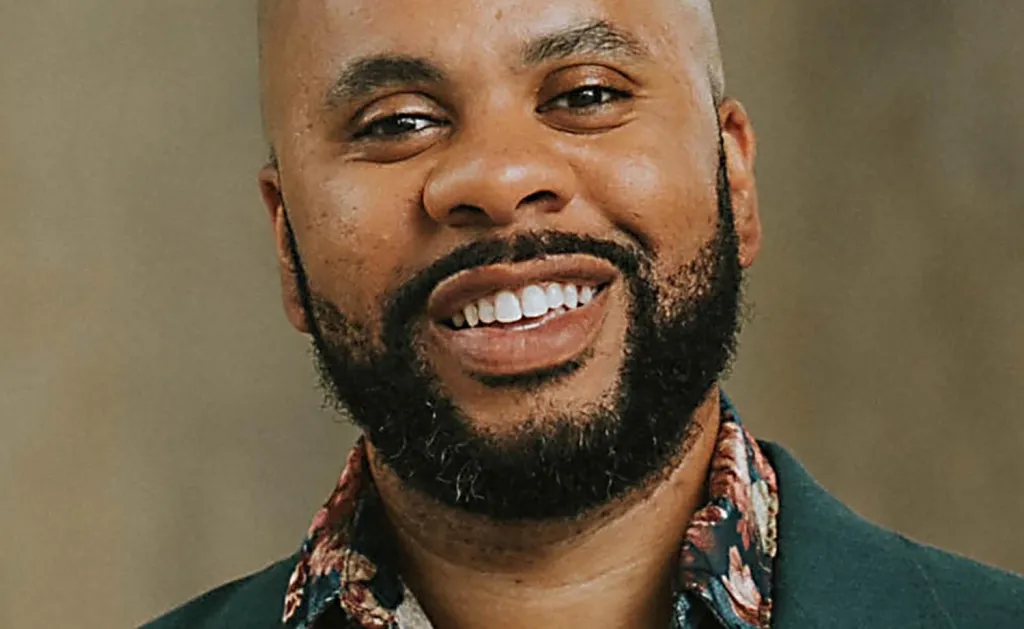
Send questions to R. Eric Thomas at [email protected] or P.O. Box 22474, Philadelphia, PA 19110. Follow him on Instagram @oureric and sign up for his weekly newsletter at rericthomas.com.
Read more ‘All sideshows:’ Bullhorn, prosthetic leg and upset in Florida GOP governor’s race